
Kitchen traditions · Haiti
Haitian herbal remedies: te, siwo and bouyon, honestly rated
Haitian herbal remedies are mostly made at home: a hot te (tea) of jenjanm (ginger) or sitwonèl (lemongrass) when a cold comes on, a spoonful of siwo (syrup) made with garlic and honey, and a pot of bouyon. We rate each remedy honestly; most are cultural practice with little research behind them.
In many Haitian homes, the answer to a cold or a scratchy throat is a te, a hot tea brewed from leaves, roots or spices. Sitwonèl often grows in the yard, ginger and kanèl (cinnamon) are in the kitchen, and every household has its own version of the recipe.
Plant knowledge is still part of everyday family life. In a 2024 survey of 120 Haitian households about colds, flu and breathing complaints, ginger was the plant people named most often, and most remedies were prepared as infusions or decoctions: simply brewed or boiled in water.
Syrups and soups belong to the same kitchen tradition. Here we focus on these home remedies, not on spiritual or ceremonial practices, and rate each one honestly.
Traditions to know
A hot te for a cold
te
Leaf and root teas are the most common home remedy, brewed fresh and usually sweetened with brown sugar. Most have not been studied for the complaints they are traditionally used for.
Ginger tea
te jenjanm
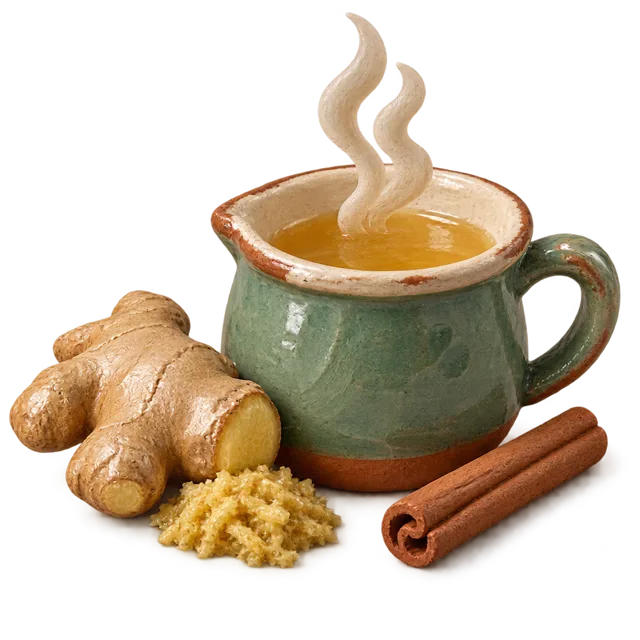
Grated ginger simmered with kanèl and sometimes lemongrass or star anise, drunk hot in the cooler months to warm up and soothe the throat. Ginger hasn't been shown to prevent or shorten colds.
Lemongrass from the yard
te sitwonèl
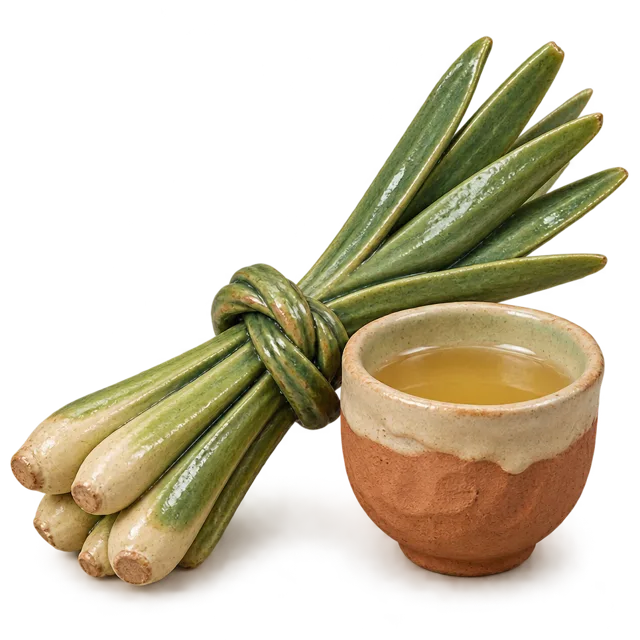
A pot of lemongrass leaves is one of the first teas made when someone in the family has a cold or flu. It is a pleasant warm drink, but it hasn't been shown to help colds or bring a temperature down.
Spoonful syrups
siwo
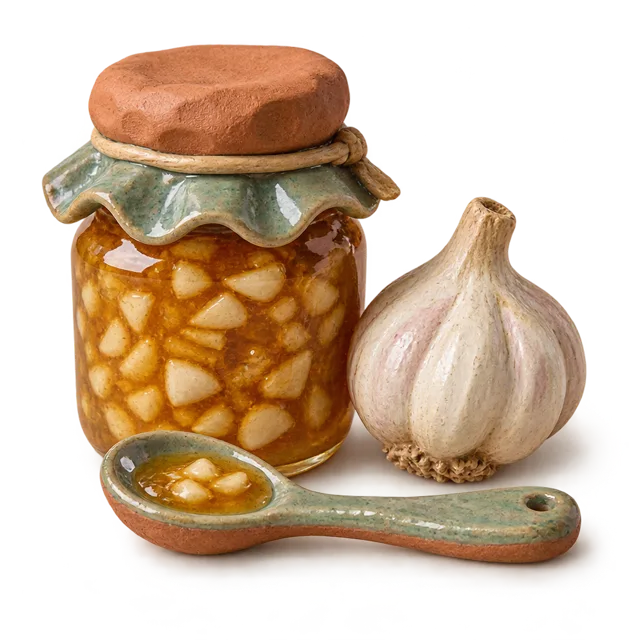
Garlic or onion mixed with honey (siwo myèl) is traditionally taken by the spoonful for a cough. Honey itself has modest evidence for easing a cough in children over 1; garlic has not been shown to help colds. Raw garlic or onion in honey carries a botulism risk: follow NC State's food-safety method (sterilised jar, honey heated to 180°F/82°C), refrigerate it straight away and throw it away within a few days.
A pot of bouyon
bouyon
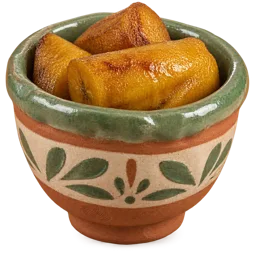
A thick soup of meat, plantain, yam, potato and greens such as watercress and spinach, made for family meals and for anyone feeling run down.
Haitian remedies by ailment
 Colds
Remedies from Haiti
Questions people ask
What is te jenjanm?
Te jenjanm is Haitian ginger tea: grated or sliced fresh ginger simmered in water, often with cinnamon, and sweetened with brown sugar. It is traditionally drunk hot when a cold comes on and is a comforting drink, though ginger hasn't been shown to shorten a cold.
What do Haitians drink for a cold?
Common choices are te jenjanm (ginger tea), te sitwonèl (lemongrass tea) and garlic and honey siwo. Warm drinks can feel soothing, and honey may ease a cough a little, but none has been shown to prevent or shorten a cold. The NHS says to see a GP if a cold doesn't get better after 10 days or a cough lasts more than 3 weeks, and to call 999 (UK) or 911 (US) for sudden chest pain, severe difficulty breathing or coughing up blood.
What is Haitian bouyon?
Bouyon is a thick Haitian soup of meat, plantain, yam, potato and greens such as watercress and spinach. Families cook it for ordinary meals and for anyone feeling run down; it is comfort food rather than a studied remedy.
Are Haitian herbal remedies safe?
The remedies on our pages use common foods, but strong brews can still interact with medicines, and some plants are unsafe in pregnancy. Avoid te sitwonèl (lemongrass tea) if you're pregnant or breastfeeding: it may be unsafe in pregnancy and hasn't been shown to be safe while breastfeeding. Never give honey to a baby under 1. Each remedy page lists its own safety notes.
Sources
- Survey on the Traditional Use of Medicinal Herbs in Haiti: A Study on Knowledge, Practices, and Efficacy Prevention (Plants, 2024) (PubMed)
- February recipe: Te jenjanm (Haitian ginger tea) (Anabaptist World)
- Bouillon (soup) (Wikipedia)
- Haitian cuisine (Wikipedia)
- Ginger (NCCIH)
- Honey for acute cough in children (Cochrane)
- Lemongrass (About Herbs) (Memorial Sloan Kettering Cancer Center)
- Food safety tips for making infused oils, vinegars, liquor or honey (NC State Extension (NC State News))
- Common cold (NHS)
- Flu (NHS)
By the Remedies by Culture editorial team · Last checked 1 October 2026 · Not medical advice, and not medically reviewed. How we work
The Remedy Atlas · digital book
How the world heals, honestly rated
127 remedies from 64 cultures, in one beautiful book. Each has its recipe, an honest evidence rating and clear safety flags.


