Beauty rituals · field guide no. 2
How 22 countries get glowing skin
Rice water in Seoul, rose water in Istanbul, clay in the hammams of Marrakech. Here are 22 of the world's best-loved skin rituals, where they come from, and what the evidence actually says. Patch test anything new on your inner arm first.
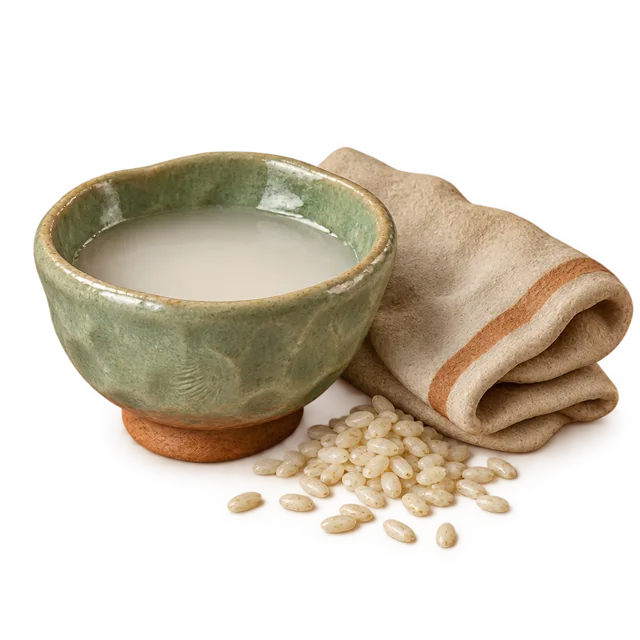
1. South Korea · A household habit in Korean homes, passed down alongside cooking
Ssal-tteumul (쌀뜨물)
Rice-rinse water face wash
Traditionally used as a gentle face rinse to leave skin feeling soft and smooth. In Korean kitchens the cloudy water from washing rice has its own name, ssal-tteumul, and it was rarely wasted: it went into soups like doenjang jjigae, and was used to wash hands and faces. Rice ingredients are still a favourite in Korean skincare today.
Cultural practiceCultural practice, not studied as a face rinse. A small lab study found rice starch in bath water helped damaged skin recover its barrier, which fits the soft feel people describe, but that isn't the same as a kitchen rinse. It's gentle and low-risk.Recipe, sources and who should skip it →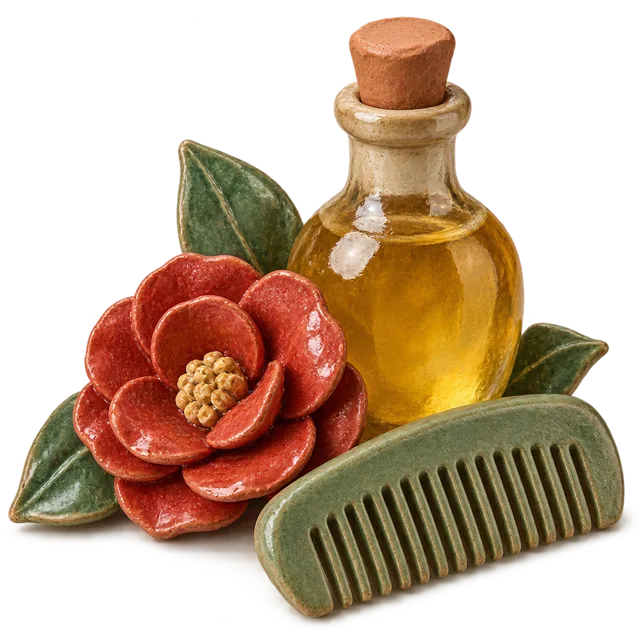
2. Japan · Japan's southern islands, including the Gotō Islands of Nagasaki
Tsubaki abura (椿油)
Camellia oil for hair and skin
Traditionally used to condition and smooth hair and to soften dry skin. Camellia japonica grows wild on Japan's southern islands, and its pressed seed oil, tsubaki abura, has long been used to keep hair glossy. The same oil protected samurai swords from rust and is listed in the Japanese Pharmacopoeia.
Cultural practiceCultural practice, not studied for hair or skin. Like other plant oils it adds slip and shine and helps hold moisture in dry hair and skin.Recipe, sources and who should skip it →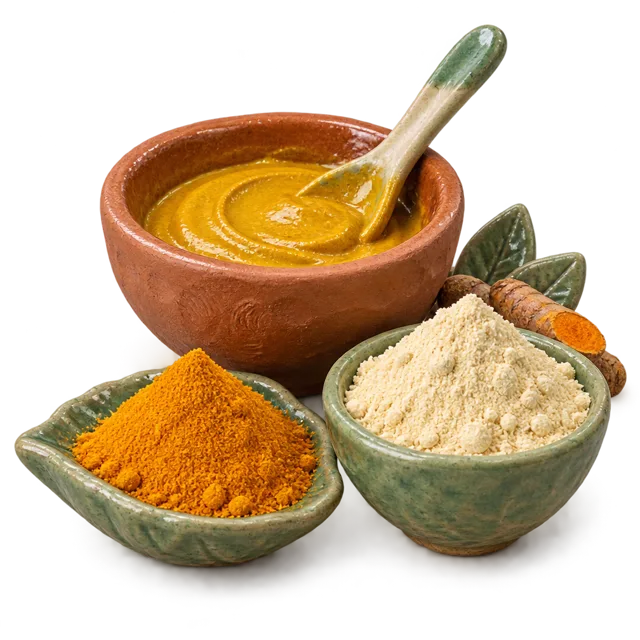
3. India · Homes across India and Pakistan, and pre-wedding haldi ceremonies
Ubtan (उबटन)
Gram flour, turmeric and yogurt face paste
Traditionally used as a gentle scrub and mask to leave skin feeling clean and soft, and rubbed onto the bride and groom before a wedding. Ubtan is one of India's oldest beauty rituals. Before many weddings, family members smear a turmeric paste on the couple in a joyful haldi (or maiyan) ceremony. At home, a simpler bowl of besan, haldi and dahi is a weekend staple passed from mother to daughter.
Cultural practiceCultural practice, not studied as a face mask. The gram flour works as a mild scrub. NCCIH notes turmeric applied to the skin can cause itching or hives in some people, so patch testing matters.Recipe, sources and who should skip it →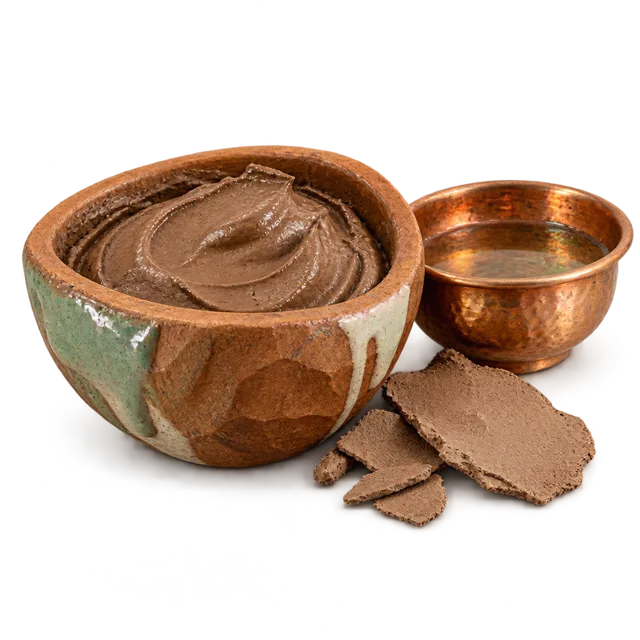
4. Morocco · Mined in the Middle Atlas mountains and used in hammams across Morocco
Ghassoul (الغاسول)
Rhassoul clay mask
Traditionally used in the hammam to wash skin and hair and leave them feeling clean and soft. Rhassoul, from the Arabic word for 'to wash', has been dug from the Atlas mountains for centuries. In the Moroccan hammam it's mixed with water or rose water and spread over skin and hair or applied to the body with a kessa glove.
Cultural practiceCultural practice, not studied. There's little formal research on rhassoul. It cleans like a gentle soap substitute; claims that it draws out toxins aren't backed by evidence.Recipe, sources and who should skip it →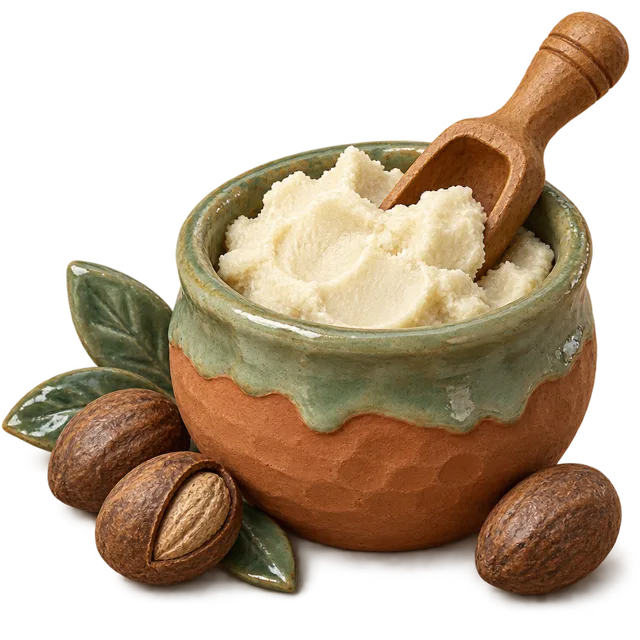
5. Ghana · Northern Ghana, where women's groups process shea nuts by hand
Nkuto
Shea butter for dry skin and lips
Traditionally used to soften dry skin and lips and protect them from the harsh, dry harmattan wind. Shea trees grow across the savanna belt of West Africa, and in northern Ghana shea butter, called nkuto in Twi, is made by women who crack, roast, grind and knead the nuts by hand. It's used for cooking and for skin and hair, and the trade gives many rural women an income.
Cultural practiceCultural practice with little direct study. Shea butter works as an occlusive moisturiser, sealing in water, which is what dermatologists suggest for dry skin and chapped lips. A cosmetic safety review found shea ingredients safe as used in cosmetics.Recipe, sources and who should skip it →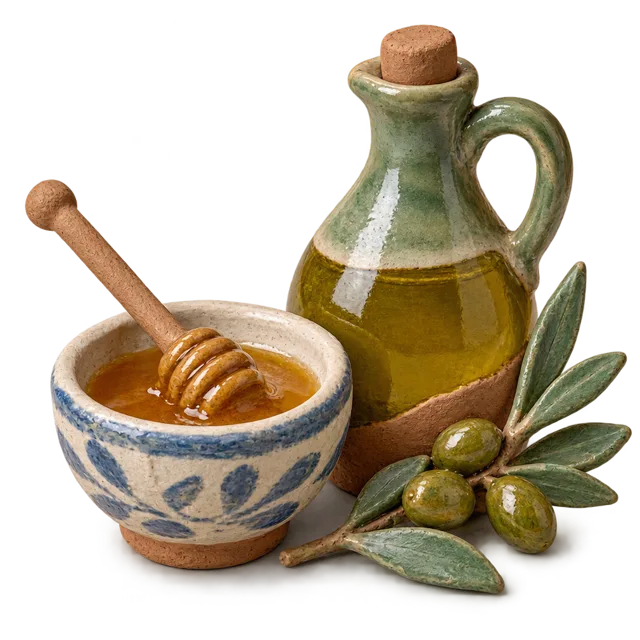
6. Greece · Home kitchens across Greece and the islands
Máska me eláiolado kai méli (Μάσκα με ελαιόλαδο και μέλι)
Olive oil and honey face mask
Traditionally used as a simple mask to leave skin feeling soft and supple. Greeks have rubbed olive oil into their skin since ancient times; athletes rubbed themselves with oil while exercising in the gymnasium. Honey and olive oil, the two most Greek of pantry staples, still come together in homemade face masks today.
Cultural practiceCultural practice, not studied as a mask. A small study found olive oil applied daily for four weeks actually weakened the skin barrier, so it isn't a good everyday moisturiser, especially for eczema-prone skin. As an occasional wash-off mask, the honey mainly adds a soft, sticky feel.Recipe, sources and who should skip it →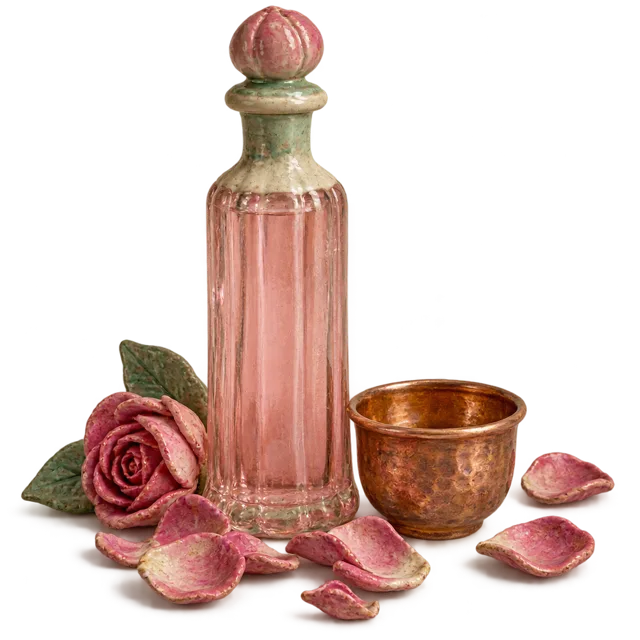
7. Turkey · Isparta, Turkey's 'city of roses', and homes across the country
Gül suyu
Rose water toner
Traditionally used to refresh and tone the skin after washing and in the hammam. Damask roses are grown around Isparta and distilled for rose oil and rose water. Gül suyu is splashed on the face after washing and used to flavour sweets and desserts.
Cultural practiceCultural practice, not studied as a toner. Lab and animal studies of Rosa damascena suggest it has antioxidant properties, but there are no good human studies of rose water for skin. It's a pleasant, gentle refresher.Recipe, sources and who should skip it →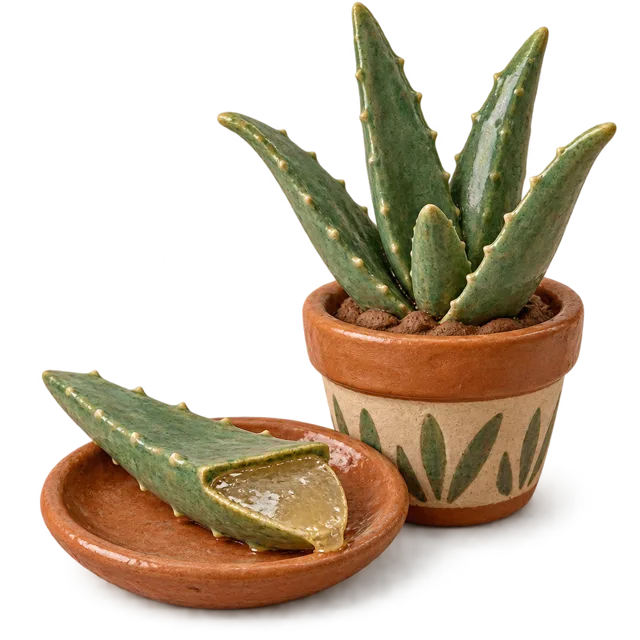
8. Mexico · Grown in pots and yards across Mexico
Sábila
Aloe vera gel for sun-exposed skin
Traditionally used to soothe skin after too much sun and minor kitchen burns. A pot of sábila by the door is a common sight in Mexican homes. The plant is part of Mexican traditional medicine; in Michoacán, for example, it's used on sunburnt skin and spots.
StudiedNCCIH says clinical research suggests aloe gel on the skin may help minor burns recover faster and ease the pain, and a systematic review found similar results, although the trials were small. There's less evidence for sunburn specifically. It's for mild sunburn and minor burns only, never for serious burns.Recipe, sources and who should skip it →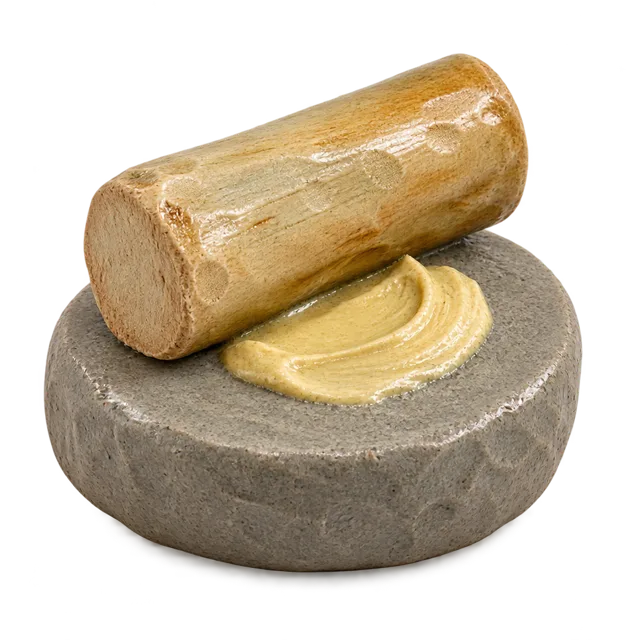
9. Myanmar · All over Myanmar, where it is worn on the cheeks every day by women, children and many men
Thanaka (သနပ်ခါး)
Thanaka bark paste
Traditionally worn as a cooling cosmetic paste to keep skin fresh and shaded in hot weather. Thanaka is a paste made from the ground bark of several trees, including Hesperethusa crenulata and the wood apple (Limonia acidissima). It is said to have been worn in Burma for over 2,000 years. The pale yellow paste is painted on in circles, stripes or leaf patterns and is one of the most recognisable sights in Myanmar.
Cultural practiceCultural practice, not studied in adequate human trials. A lab study of thanaka bark found low toxicity and some anti-inflammatory and antioxidant activity in the test tube, but that doesn't show it is safe or useful on people's skin. It is a cultural cosmetic and shouldn't replace sunscreen.Recipe, sources and who should skip it →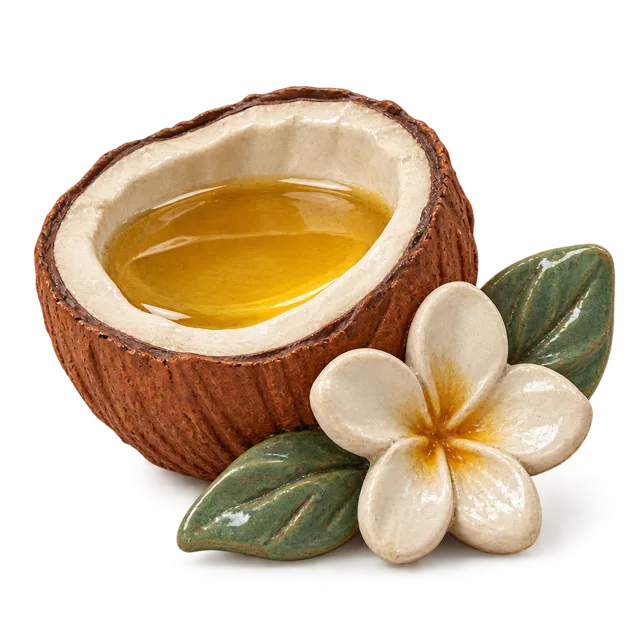
10. Samoa · Samoa, where coconut oil (lolo) is pressed from coconut kernels and often scented with flowers
Lolo
Coconut oil for hair and skin
Traditionally smoothed into hair and onto skin to keep them soft and conditioned. It isn't a sunscreen and doesn't replace one. In Samoa, lolo is the oil pressed from mature coconut kernels, traditionally through a strainer woven from hibiscus bark. It's used to groom hair and oil the skin, especially on special occasions, and is often scented with fragrant blossoms.
Cultural practiceCultural practice. A small randomised trial found virgin coconut oil moisturised mildly dry skin about as well as mineral oil, and a lab study found coconut oil on hair reduced protein loss during washing better than mineral or sunflower oil, which may help reduce breakage. Neither tested the Samoan practice itself.Recipe, sources and who should skip it →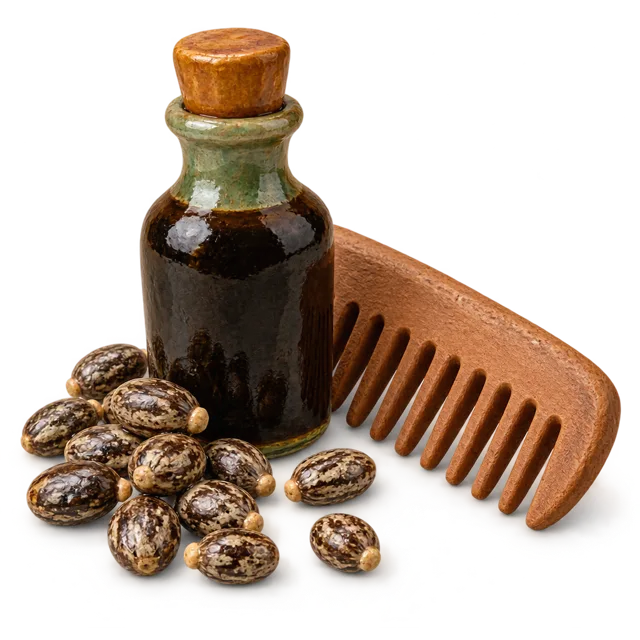
11. Jamaica · Jamaica, where small farms and producers make it by hand, and Black hair care worldwide, where it is a best-selling oil
Jamaican black castor oil (JBCO)
The belief that Jamaican black castor oil regrows hair and edges
Widely believed to regrow thinning hair and edges and to thicken eyebrows; traditionally used as a heavy oil for hair and skin. Jamaican black castor oil is made the traditional way by roasting castor beans, which gives the oil its dark colour and smoky smell, then crushing and boiling them. The Jamaica Castor Industry Association describes it as a prized part of the island's castor industry, made mainly by small farms and producers. It has become one of the best-known oils in Black hair care around the world.
Myth-bustedThere's no good evidence that castor oil, black or clear, makes hair grow. A 2022 systematic review found no strong evidence for hair growth and only weaker evidence for shinier hair. Castor oil is a thick, heavy oil; rare reactions include allergic contact dermatitis and sudden matting of long hair. For thinning edges, the AAD's advice is to take the tension off the hairline and see a dermatologist early, because traction hair loss can become permanent.Recipe, sources and who should skip it →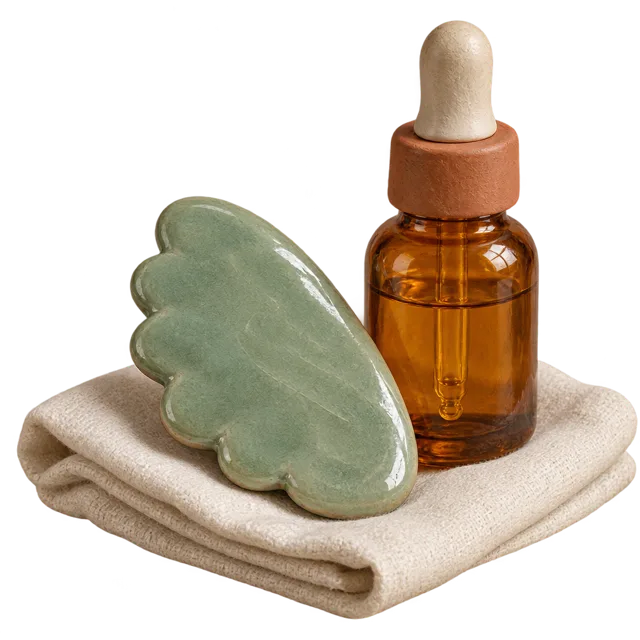
12. China · Across China and the Chinese diaspora, where a gentle facial version of the old scraping practice is now a popular skin-care routine
Miànbù guāshā (面部刮痧)
Facial gua sha stone massage
A gentle facial version of gua sha is used as a calming skin-care massage; popular claims that it de-puffs, 'sculpts' or drains the face aren't supported by good evidence. Gua sha means 'scraping sha': in traditional Chinese practice a smooth tool such as a ceramic spoon, coin or jade stone is scraped firmly over oiled skin on the back or limbs until red, bruise-like marks (sha) appear, a technique written about since the Ming dynasty. The light facial version, using flat jade or quartz stones, is a much gentler modern beauty adaptation. It took off worldwide on social media around 2021 and 2022.
Cultural practiceCultural practice, not well studied. The best evidence for the facial version is one small 2025 trial: 34 women used either a facial roller or a gua sha edge for 10 minutes, five times a week for 8 weeks, and measurements of face shape changed by about 2 mm. There was no group that did nothing, the tool was a plastic-and-steel device, and long-term effects weren't checked, so it doesn't show that gua sha lifts, slims or 'sculpts' the face. Claims about lymphatic drainage and younger-looking skin haven't been shown. A pilot study of traditional body gua sha in 11 people found it briefly increased blood flow in the scraped skin, and it deliberately raised petechiae and bruising.Recipe, sources and who should skip it →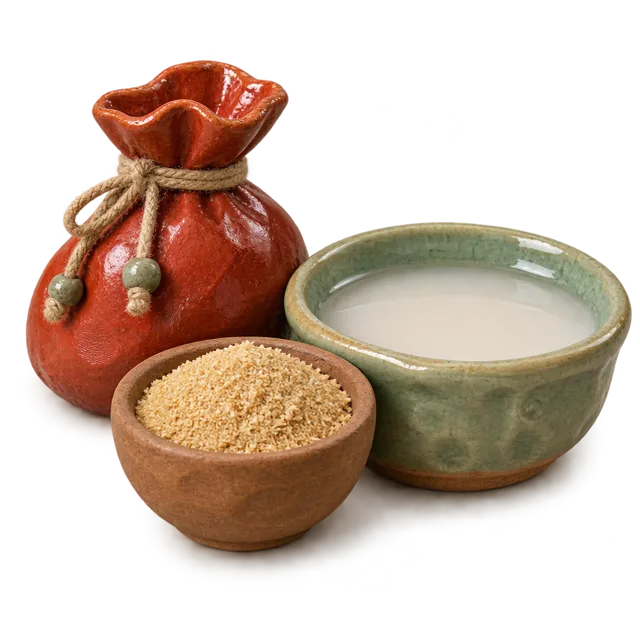
13. Japan · Japan, where it was the everyday face and body wash of Edo-period bathhouses before soap became common
Nukabukuro (糠袋)
Rice-bran wash bag
Traditionally used as a gentle everyday wash for the face and body, to leave skin feeling clean and soft. In Edo-period Japan (1603 to 1868), people used rice bran as face soap: they filled a small bag, often red, called a nukabukuro, soaked it in water and squeezed out the milky liquid to wash their face and body. Bran was sold at the public bathhouses, and people refilled their bags each visit. Writing in the late 1800s, the scholar Basil Hall Chamberlain called the bran bag Japan's 'original national cleanser'.
Cultural practiceCultural practice, not studied as a face or body wash. The closest study is old and small: 17 people with eczema were given a hospital-made rice bran broth to use in the bath. One stopped straight away because their skin got redder and itchier; most of the other 16 reported improvement over 2 to 5 months, but there was no comparison group. Claims that rice bran whitens, brightens or firms skin are not something we promote, and they haven't been shown for a bran bag. Rare case reports from Japan describe people, including a child whose family ran a rice shop, becoming allergic to rice after repeated skin contact with rice bran.Recipe, sources and who should skip it →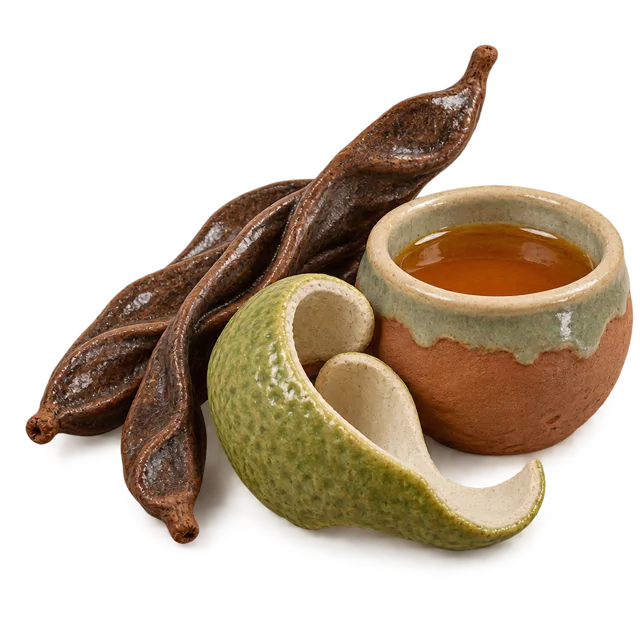
14. Vietnam · Across Vietnam, where grandmothers and mothers boiled the dried pods to wash their hair long before bottled shampoo
Nước bồ kết
Honey-locust pod hair wash
Traditionally used as an everyday hair wash, leaving hair clean and softly scented; it isn't a hair-growth or anti-dandruff remedy. Bồ kết is the dried, dark-brown seed pod of a Gleditsia tree (in Vietnam usually Gleditsia australis), a relative of the honey locust. Boiled with pomelo peel, it was once the hair wash used by most Vietnamese women, according to VnExpress, and older women in some villages still sell the pods all year round. Today small Vietnamese brands bottle bồ kết shampoo, often mixed with lemongrass, lemon, ginger or pomelo peel.
Cultural practiceCultural practice, not studied. We found no clinical trials of bồ kết as a hair wash. A lab study of the related Chinese species, Gleditsia sinensis, found saponins (natural soap-like compounds) at higher levels in its fruit than in other parts of the plant; that's indirect evidence for why the liquid lathers a little, and it says nothing about safety on the scalp. Popular claims that it stops hair loss, makes hair grow or clears dandruff haven't been shown. For dandruff, the AAD recommends a dandruff shampoo with an active ingredient such as zinc pyrithione, salicylic acid, selenium sulfide or ketoconazole.Recipe, sources and who should skip it →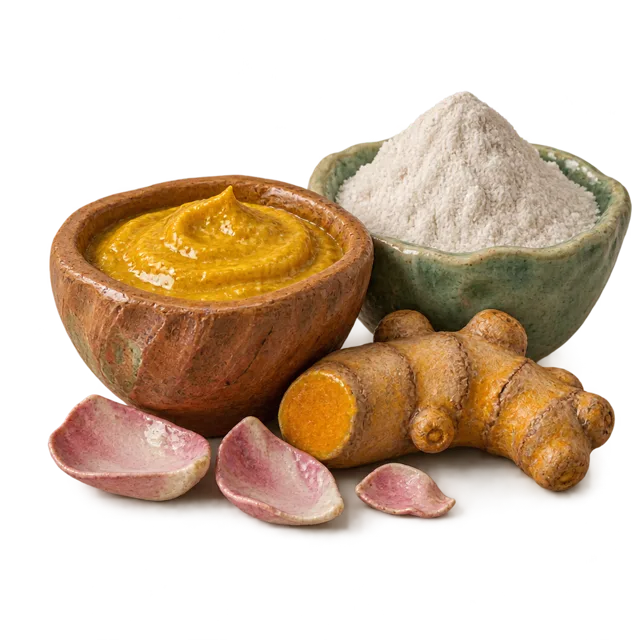
15. Indonesia · Central Java, where it began in the royal courts, and now homes and spas all over Indonesia
Lulur
Javanese rice-flour and turmeric body scrub
Traditionally used as a gentle exfoliating scrub to leave skin feeling smooth, soft and pleasantly scented. Lulur (luluran) is Java's best-known beauty scrub. Kompas reports that written records of it begin in the 17th-century royal courts (keraton) of Central Java, where princesses used it every two weeks, and that it later spread beyond the palace walls to ordinary households. The classic Javanese yellow lulur is made from rice flour, turmeric, pandan and temu giring, mixed with rose water.
Cultural practiceCultural practice, not studied. Rice flour works as a mild physical scrub, but we found no trials of lulur itself. In Indonesia lulur is often sold as making skin 'brighter' or lighter in tone. Skin lightening is not a benefit we claim, it hasn't been shown for lulur, and the yellow tint from turmeric is a stain that washes off. NCCIH notes that curcumin, turmeric's main compound, can cause hives or itching on the skin, and a dermatology review describes turmeric as a recognised cause of allergic skin reactions. The AAD warns that over-exfoliating can leave skin red and irritated, and that harsh scrubbing can cause dark spots, especially on darker skin.Recipe, sources and who should skip it →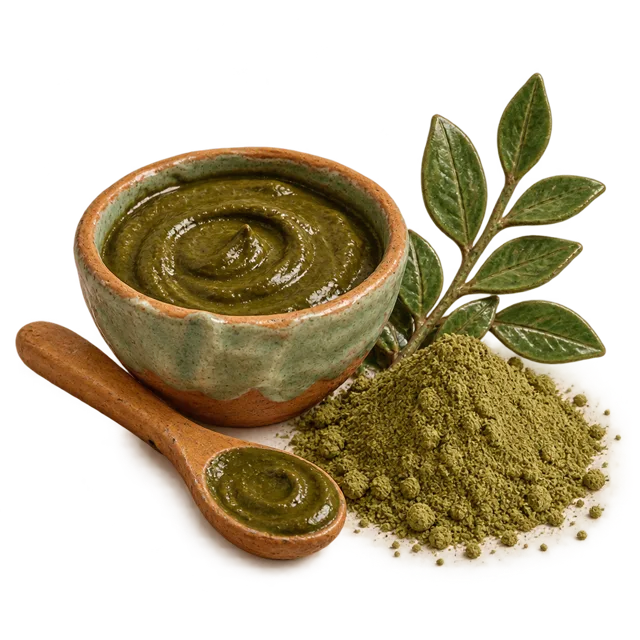
16. Iran · Across Iran; henna is grown in Kerman province and much of it is ground in the old stone mills of Yazd
Hana (حنا)
Plain henna hair colour
Traditionally used to colour hair a warm red-brown and to cover grey, and many people say it leaves hair glossy and coated. Henna (hana in Persian) has been used in Iran for centuries to colour hair, beards, hands and nails. Encyclopaedia Iranica records that the best henna was said to come from Kerman, and that traders carried the dried leaves to Yazd to be ground in special stone mills (there were around ninety of them in a 1987 study) and sold as hana-ye Yazd. Many people darkened hennaed hair afterwards with an indigo paste, and the pair is still sold together as rang o hana.
Cultural practiceCultural practice. That henna colours hair is well established: the FDA lists henna as an approved colour additive for hair dyes. Claims that it conditions, strengthens or thickens hair haven't been tested, and it isn't shown to make hair grow. A review of side effects found pure (red) henna generally safe on the skin, with rare allergies; 'black henna' with added PPD causes allergy far more often. Henna can trigger serious breakdown of red blood cells (haemolysis) in people with G6PD deficiency: a systematic review found henna was the only herbal product with clear evidence of this, and the most serious reported cases were in babies and children.Recipe, sources and who should skip it →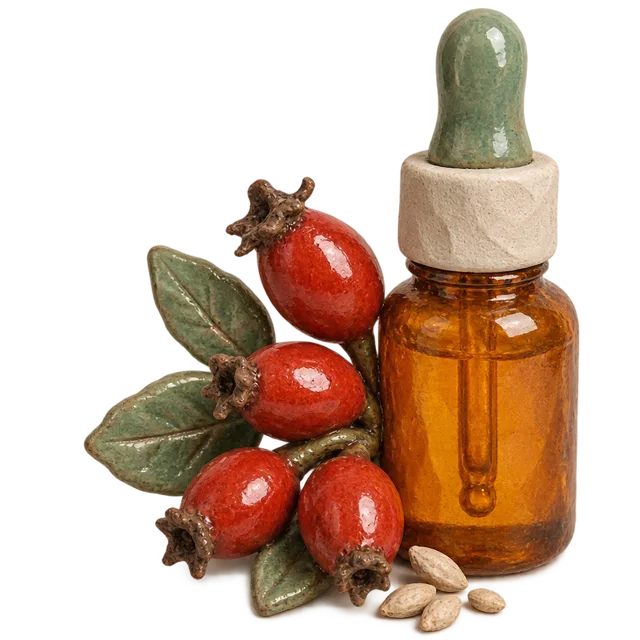
17. Chile · Southern and central Chile, where wild rosehip bushes grow along roadsides and farmland from the Santiago region down to Aysén
Aceite de rosa mosqueta
Chilean rosehip seed oil
Used in many Chilean households as a light face and body oil for dry skin; widely believed to fade scars and stretch marks, though that isn't established. The rosehip bushes that Chileans call rosa mosqueta (mainly Rosa rubiginosa and Rosa canina) came from Europe with the Spanish and now grow wild across much of the country. Families in the rural south have long gathered the red hips in late summer for jams, teas and juices. Since the 1970s Chile has become one of the world's main producers of rosehip seed oil, which is pressed from the tiny seeds and sold mostly as a cosmetic oil.
Cultural practiceCultural practice, not well studied. There are no good trials of rosehip oil as a moisturiser for dry skin. For scars, a 2024 review found some evidence that rosehip may improve post-surgical scars, but too few good-quality studies to recommend it. We found no good evidence that it fades stretch marks, wrinkles or dark spots. (The AAD notes that some other oils tested on stretch marks, such as almond oil, cocoa butter and olive oil, didn't work; that's about those oils, not rosehip.) Allergic contact dermatitis to rosehip oil has been reported.Recipe, sources and who should skip it →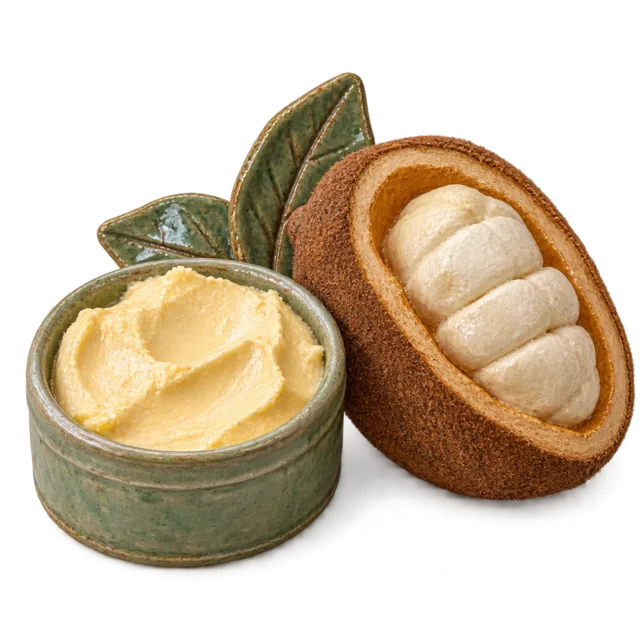
18. Brazil · The Brazilian Amazon, especially Pará, Amazonas and Amapá, where the cupuaçu tree grows and its fruit is an everyday favourite
Manteiga de cupuaçu
Cupuaçu butter lip and skin balm
Used as a rich balm for dry lips and rough, dry skin; a newer Brazilian beauty staple made from the seeds of a much-loved Amazonian fruit. Cupuaçu (Theobroma grandiflorum) is a close cousin of the cacao tree, and its fragrant, tangy pulp is a favourite in juices, ice creams and sweets across northern Brazil. The seeds are rich in a pale, soft fat that melts at around 30°C. Brazil's agricultural research agency, Embrapa, notes that this seed fat is widely used by the cosmetics industry, and cupuaçu butter now turns up in many Brazilian lip balms, body butters and hair products.
Cultural practiceCultural practice, not studied in people. The research we found on cupuaçu butter and skin is lab work on skin cells and product-development studies, which don't show it helps dry lips or skin. For chapped lips, the American Academy of Dermatology recommends simple, non-irritating balms with ingredients such as petrolatum, shea butter or ceramides; cupuaçu butter isn't on its list, and that advice doesn't show cupuaçu works. Most chapped lips improve in 2 to 3 weeks with self-care.Recipe, sources and who should skip it →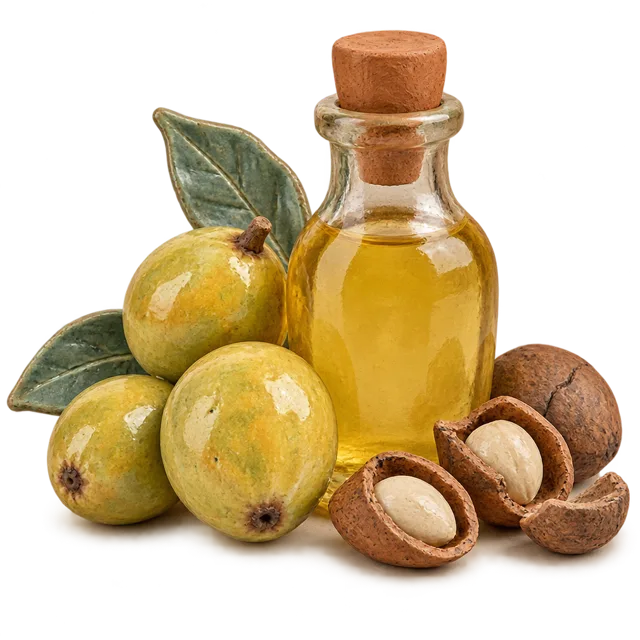
19. South Africa · South Africa, where marula trees grow in the woodland and bushveld from Limpopo down to KwaZulu-Natal
Marula oil
Marula kernel oil for dry skin and cuticles
Traditionally applied to keep skin healthy, and used as a rich oil for dry skin and hands. The marula tree (Sclerocarya birrea), a member of the cashew family, grows across the warm woodland of southern Africa, and its hard stones hold small, edible kernels. Ethnobotanical records cited by South African researchers say that Zulu people, among others, applied the kernel oil to keep their skin healthy, and in many places it is also a cooking oil. Marula oil is now a popular ingredient in skin and hair products sold around the world.
Cultural practiceCultural practice, studied only a little. In one small South African study, marula oil didn't irritate the skin of 20 women and helped dry skin hold moisture in instrument tests, a short-term moisturising effect like other rich oils; that doesn't mean it can't irritate anyone's skin. There are no studies on nails, and no good evidence for wider claims. For nails, the AAD and NHS advise moisturising nails and fingertips, wearing gloves for wet work and leaving cuticles alone.Recipe, sources and who should skip it →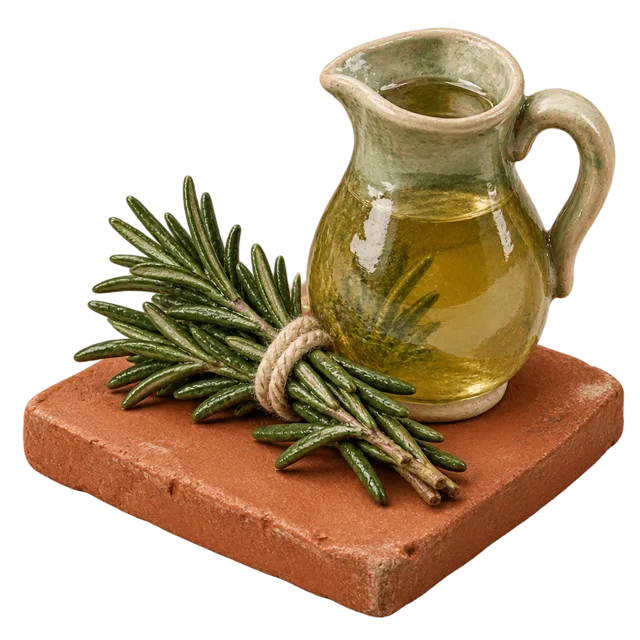
20. Spain · All over Spain, where wild rosemary grows on dry Mediterranean hillsides and is a common kitchen and garden herb
Agua de romero
Rosemary water hair rinse
Traditionally used as a fragrant final rinse to leave hair feeling fresh and looking glossy; widely believed to make hair grow, which isn't supported. Rosemary (romero) grows wild across Spain's dry hillsides and in many home gardens, and agua de romero, a simple rosemary infusion, is a well-known 'truco de abuela' (grandmother's trick) for hair. Spanish beauty writers describe it being poured over the hair as a final rinse or sprayed onto the scalp. It has had a big revival on social media in recent years.
Cultural practiceCultural practice, not studied as a hair rinse. The hugely popular 'rosemary for hair growth' idea rests on a single small 2015 trial in 100 people with pattern hair loss (androgenetic alopecia), which used rosemary oil, not a water rinse, for 6 months and compared it with low-strength minoxidil. It had no placebo group, so it can't show that rosemary itself made a difference, and a 2025 review of hair-loss misinformation lists rosemary oil among popular remedies with limited evidence. Think of it as a fragrant rinse, not a hair-loss remedy; for pattern hair loss the NHS lists minoxidil (and, for men, finasteride) as the main medical options.Recipe, sources and who should skip it →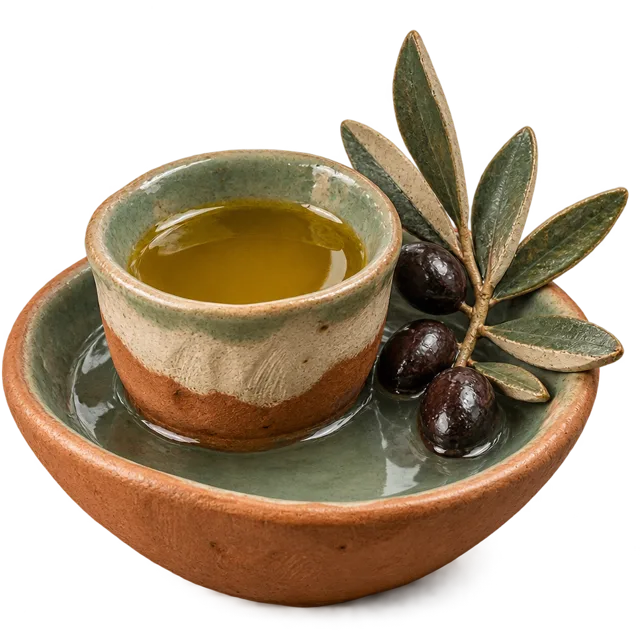
21. Italy · All over Italy, where olive oil is the everyday kitchen fat and a bottle is always within reach
Impacco di olio d'oliva per le unghie
Warm olive oil fingertip soak for dry cuticles
A well-known Italian 'rimedio della nonna' (grandmother's remedy) used to soften dry cuticles and moisturise nails that feel brittle or split easily. Olive oil is the backbone of the Italian kitchen, so it's no surprise it ends up in home beauty routines too. An impacco (soak or compress) of warm extra virgin olive oil for the nails is often listed by Italian beauty writers as one of the classic rimedi della nonna, usually done in the evening with a little massage of each fingertip.
Cultural practiceCultural practice, not studied on nails. Dermatologists advise moisturising nails and fingertips after hand washing and wearing gloves for wet work, because too much water exposure weakens nails; there's no evidence olive oil strengthens nails or makes them grow. In a small study of 19 adults, olive oil applied to the forearm twice a day for 4 weeks weakened the skin barrier and caused mild redness. That study didn't test this soak, so it doesn't tell us a safe frequency: wipe off the excess, and choose a plain moisturiser if you have eczema.Recipe, sources and who should skip it →
22. Japan · Japanese homes and offices, where many people rest a warm, damp towel over their eyes after a long day of screen work
Mushi-taoru (蒸しタオル)
Warm steamed towel over tired eyes
Traditionally used to soothe tired, strained eyes after long hours of close work or screen use, and as a relaxing moment before bed. A warm, wrung-out towel over the eyes, mushi-taoru ('steamed towel'), is a familiar tip from Japanese eye clinics for eyes tired from screen work: they suggest about 40°C for 5 to 10 minutes. Japanese researchers have even tested warming around the eyes after a long office day.
Cultural practiceCultural practice, not well studied for tired eyes. One very small Japanese study (10 healthy men) found that 10 minutes of warming around the eyes after a day of screen work slightly improved near focusing compared with resting with the eyes closed; that's far too small to show a real benefit. The American Academy of Ophthalmology lists warm compresses among the things eye doctors may recommend for dry eye. For tired eyes its main advice is regular screen breaks. A warm towel won't change under-eye bags or dark circles.Recipe, sources and who should skip it →
Keep exploring
The Remedy Atlas · digital book
How the world heals, honestly rated
Every remedy for your skin and hair, and 127 in all from 64 cultures, in one beautiful book. Each has its recipe, an honest evidence rating and clear safety flags.