
Kitchen traditions · Jamaica
Jamaican herbal remedies: bush teas, honestly rated
Jamaican herbal remedies are mostly 'bush teas': fresh leaves from the backyard, such as fever grass (lemongrass) or mint, boiled into a hot drink. Ginger, honey and lime are close behind, with Saturday soup on the stove. We rate each remedy honestly; most are cultural practice, and honey is the best studied.
In many Jamaican homes, feeling unwell means someone puts the kettle on and heads to the yard. 'Bush tea' is the everyday name for a hot drink made from fresh leaves, and a national survey found three in four people who use medicinal plants pick them from their own backyards, most often boiling the leaves into a tea.
This knowledge is passed down at home. In the same survey, people most often named their grandmothers and mothers as the ones who taught them, which is why so many recipes come with a family story and slightly different proportions in every kitchen.
Food is part of the care too, from a spoon of honey and lime at the first tickle in the throat to a big pot of Saturday soup. Here we focus on these kitchen and yard remedies and rate each one honestly, including where research is thin.
Traditions to know
Bush tea from the yard
bush tea
Fresh leaves such as mint or fever grass are picked and boiled into a hot tea, often with a few herbs mixed together. Most bush teas have not been studied for the complaints they are traditionally used for.
Fever grass by the back door
fever grass
Lemongrass is so linked with home remedies in Jamaica that it is widely called fever grass, and the tea is traditionally drunk when a cold comes on. Despite the name, it hasn't been shown to bring a temperature down.
Ginger, garlic and lime
ginger tea
A sharp brew of crushed ginger and garlic finished with lime and honey is a cold-and-flu recipe many Jamaicans remember from their grandmothers. Research hasn't shown ginger or garlic shortens a cold.
Honey and lime
honey an' lime
A spoon of honey with lime juice, or the two stirred into warm water, is often the very first thing reached for at a tickly throat. A Cochrane review found honey may ease an acute cough a little in children over 1; NICE says adults can try it too, though the evidence is limited. Never give honey to a baby under 1.
Saturday soup
Saturday soup
A hearty beef or chicken soup with pumpkin, yam, dumplings and vegetables, traditionally cooked on Saturdays. It is comfort food that families also make for anyone feeling run down.
Jamaican remedies by ailment
 Colds
Remedies from Jamaica
Fever grass tea
Lemongrass and ginger tea
Cultural practice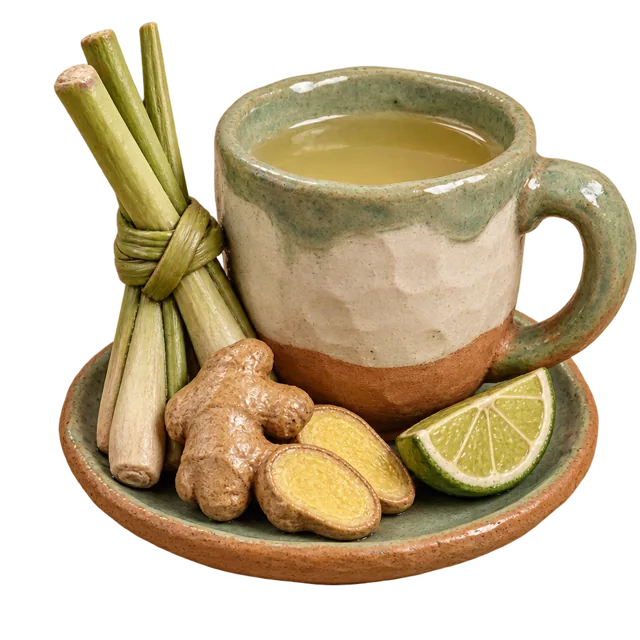
Ginger, garlic an' lime tea
Ginger, garlic and lime tea
Cultural practice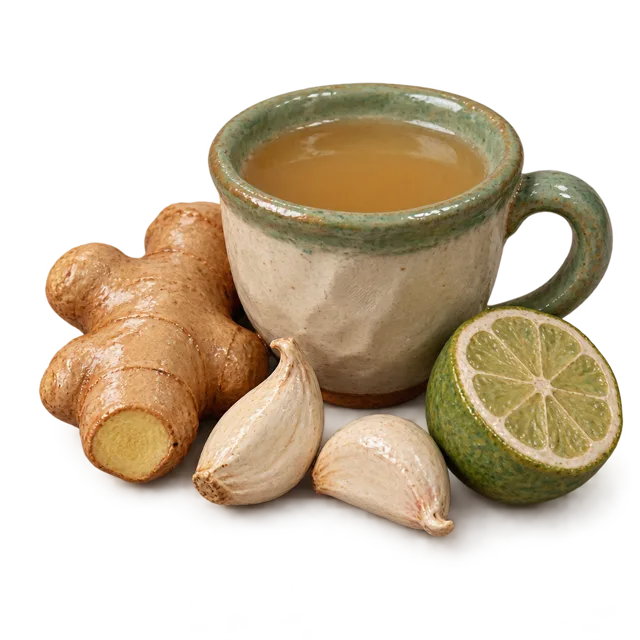
Honey and lime
Warm honey and lime drink
Studied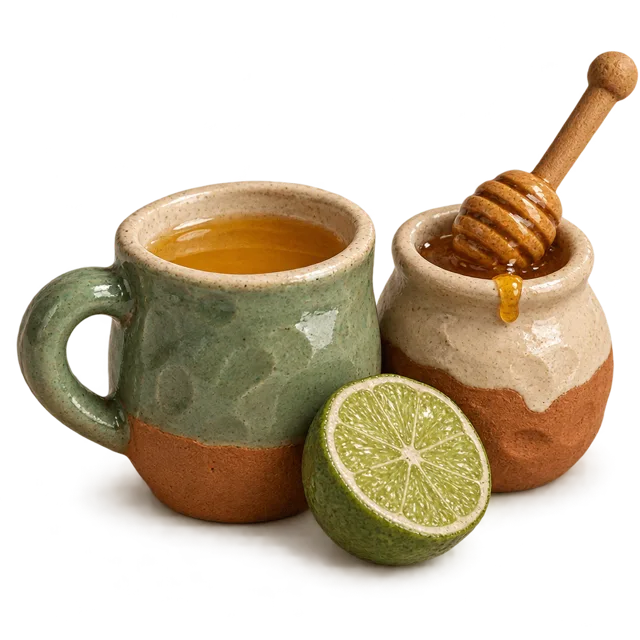
The holiday 'wash out'
The belief that a yearly laxative purge cleans you out
Myth-busted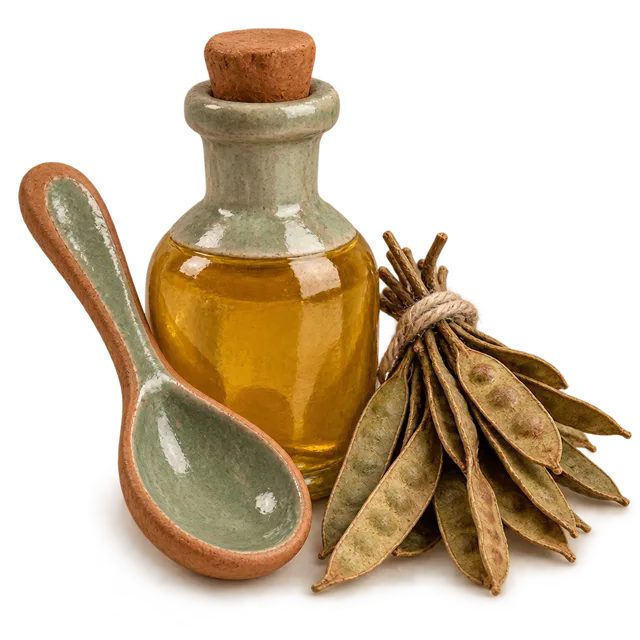
Jamaican black castor oil (JBCO)
The belief that Jamaican black castor oil regrows hair and edges
Myth-busted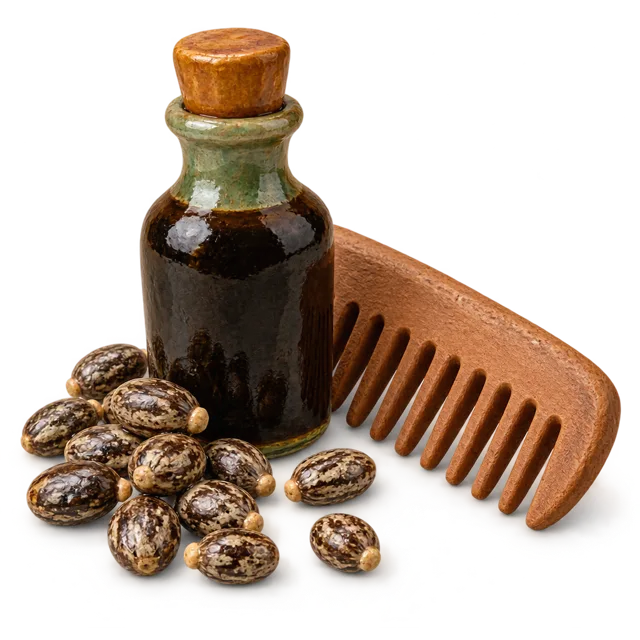
Ingredients in Jamaican kitchens
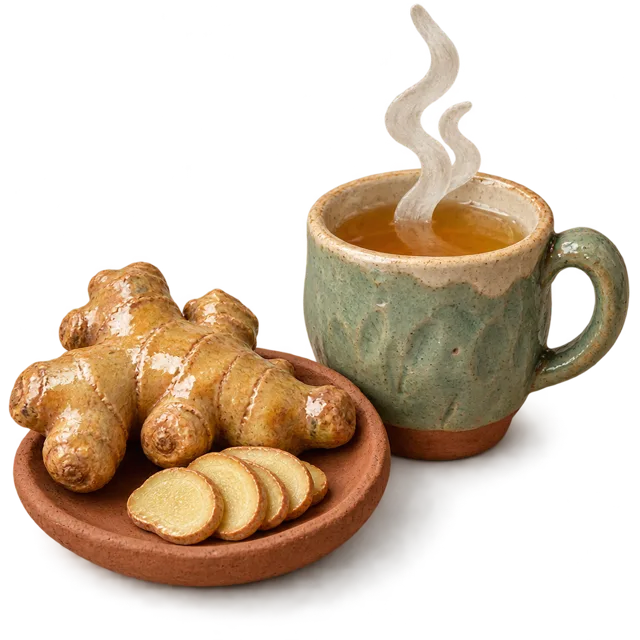 Ginger
Questions people ask
What is Jamaican bush tea?
Bush tea is the Jamaican name for a hot drink made from fresh leaves, usually picked from the yard and boiled in water. Fever grass, mint and ginger are common choices, and many families mix two or three plants.
Why isn't cerasee rated here?
Cerasee, the leafy vine of bitter melon, is widely drunk in Jamaica as a bitter bush tea. The claims made for it are about blood sugar and 'cleansing', which we don't cover. Memorial Sloan Kettering's herb guide says to avoid bitter melon in pregnancy and that it may add to the effect of insulin and diabetes medicines, so talk to a doctor before drinking it if you take them.
What do Jamaicans drink for a cold?
Common choices are fever grass tea, ginger tea, a ginger, garlic and lime brew, and honey and lime. Warm drinks can feel soothing, and honey may ease a cough a little, but none has been shown to shorten a cold. The NHS says to see a GP if a cold doesn't get better after 10 days or a cough lasts more than 3 weeks, and to call 999 (UK) or 911 (US) for sudden chest pain, severe difficulty breathing or coughing up blood.
Are Jamaican herbal remedies safe?
The kitchen remedies on our pages use everyday foods, but strong herbal brews can still interact with medicines and some plants are unsafe in pregnancy. Never give honey to a baby under 1, and avoid fever grass (lemongrass) tea if you're pregnant or breastfeeding: it may be unsafe in pregnancy and hasn't been shown to be safe while breastfeeding. Each remedy page lists its own safety notes; speak to a pharmacist if you take regular medicines.
Sources
- TRAMIL ethnomedicinal survey in Jamaica (J Ethnopharmacol, 2015) (PubMed)
- Jamaican cuisine (Wikipedia)
- From Bush Tea to Honey and Lime: 6 Ways Jamaicans Tackle the Flu (Kimberley Writes)
- Bitter melon (About Herbs) (Memorial Sloan Kettering Cancer Center)
- Lemongrass (About Herbs) (Memorial Sloan Kettering Cancer Center)
- Honey for acute cough in children (Cochrane)
- Cough (acute): antimicrobial prescribing (NG120) (NICE)
- Common cold (NHS)
- Flu (NHS)
By the Remedies by Culture editorial team · Last checked 1 October 2026 · Not medical advice, and not medically reviewed. How we work
The Remedy Atlas · digital book
How the world heals, honestly rated
127 remedies from 64 cultures, in one beautiful book. Each has its recipe, an honest evidence rating and clear safety flags.


