Used in 5 cultures · Colds, Flu season, Upset stomach
Congee: rice porridge for sick days across Asia, honestly rated
Also called rice porridge, 粥 zhōu / jūk, okayu, juk, lugaw, jok
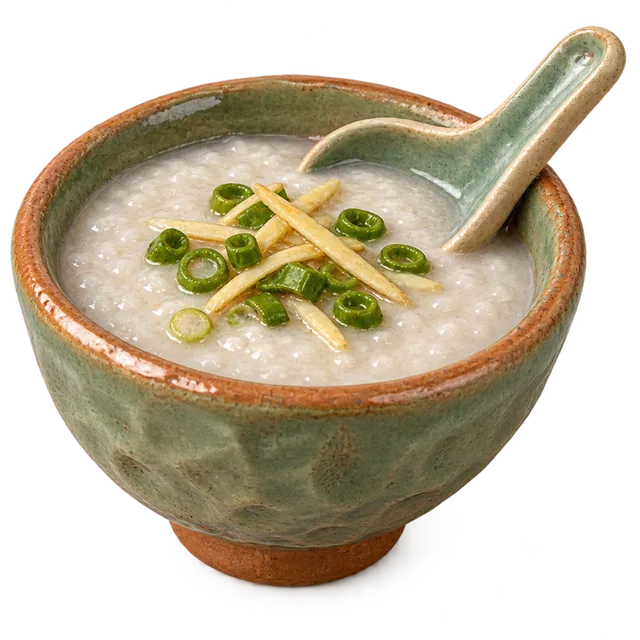
Congee is rice simmered in lots of water until it breaks down into a soft porridge. Across Asia (Chinese jook, Japanese okayu, Korean juk, Filipino lugaw, Thai jok) it is traditionally served to people who are ill because it's mild and easy to digest. It hasn't been studied as a remedy; it's gentle food.
Around the world
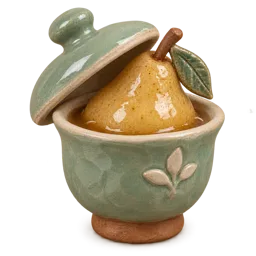
Chinese · 粥 (zhōu, Cantonese jūk)
Plain or lightly seasoned congee is a breakfast staple and is traditionally considered a mild, easily digested food for the sick.
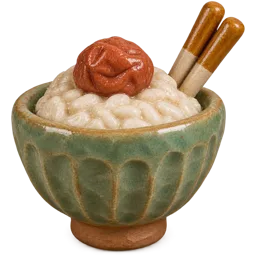
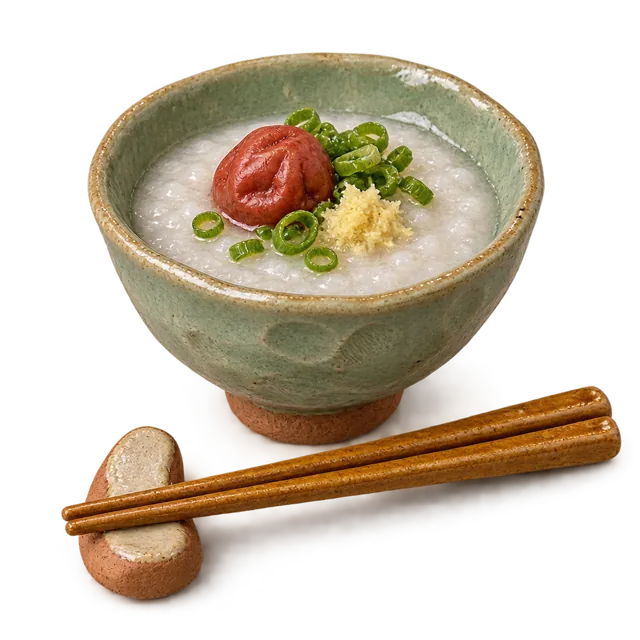
Japanese · お粥 (okayu)
Because it is soft and easy to digest, okayu is the food traditionally served to the sick and elderly, often topped with an umeboshi.
The recipe: Okayu with umeboshi and negi →
Korean · 죽 (juk)
Plain white rice juk (huinjuk) is traditionally eaten as food for recuperation, and is now also sold in juk chain shops across South Korea.
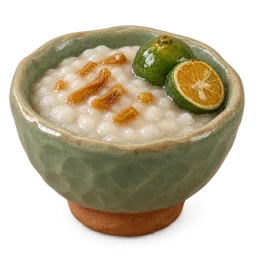
Filipino · lugaw
Ginger-scented lugaw, especially chicken arroz caldo, is the comfort food cooked for anyone with a cold or flu.
The recipe: Arroz caldo →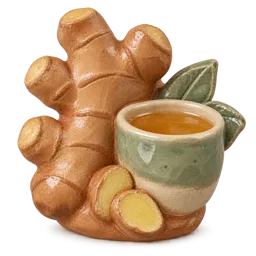
Thai · โจ๊ก (jok)
Smooth jok, often with minced pork and an egg, is a popular breakfast; at home, cook any egg topping until the white and yolk are firm.
How it's traditionally used
- 1Rinse 1/2 cup of rice, then put it in a pot with 6 to 8 cups of water or light stock (about 1 part rice to 12 to 16 for a silky Chinese-style congee; less water for thicker okayu).
- 2Bring to the boil, then simmer gently, lid ajar, for 45 to 90 minutes, stirring now and then so it doesn't stick, until the grains break down.
- 3Season with a small pinch of salt, and add a few slices of fresh ginger in the last 10 minutes if you like.
- 4Top with spring onion, a drizzle of soy sauce or sesame oil, or an umeboshi.
What the evidence says
Cultural practice, not studied: there are no trials of congee for colds, flu or stomach upsets. It is easy to eat and contains plenty of fluid, which fits NHS advice to keep drinking and eat when you feel able. It won't replace oral rehydration if you're losing a lot of fluid.
Myth check: Plain congee is sometimes said to 'settle' any stomach bug. It's simply gentle food; the most important thing with diarrhoea or vomiting is to keep up your fluids.
Who should skip it
- 🤰 Fine in normal food amounts in pregnancy
- 🧒 Fine for children in normal food amounts
- 💊 Cooked rice left at room temperature can cause food poisoning: chill leftovers ideally within an hour, keep them in the fridge for no more than a day, and reheat only once until steaming hot all the way through
- 💊 Salty toppings (soy sauce, century egg, pickles) add up; go easy if you've been told to cut salt
- 🌼 Soy, sesame, egg or fish, depending on toppings
- Diarrhoea for more than 7 days or vomiting for more than 2 days
- Blood in your poo or vomit
- Signs of dehydration, such as peeing much less than usual or feeling dizzy
- Cold symptoms that get worse or don't improve after 10 days, a high temperature for more than 3 days, or a cough for more than 3 weeks
- Shortness of breath or chest pain (call 999 in the UK or 911 in the US if chest pain is sudden or breathing is severely difficult)
Questions people ask
What is congee?
Congee is rice porridge: rice cooked in a lot of water or stock until the grains break down into a soft, creamy bowl. The English word comes from Tamil kañci via Portuguese, and almost every rice-eating culture in Asia has its own version.
What's the ratio of rice to water for congee?
For a silky Chinese-style congee, use roughly 1 part rice to 12 to 16 parts water and simmer for an hour or more. Japanese okayu is thicker, usually 1 part rice to 5 to 7 parts water.
Is congee good for you when you're sick?
It's the traditional sick-day food across much of Asia because it's mild, soft and mostly water. There's no evidence it speeds recovery, but it fits NHS advice to keep drinking and eat when you feel able.
What is the difference between congee, jook and okayu?
They are the same idea in different languages: jook (jūk) is the Cantonese name, zhou the Mandarin, okayu the Japanese, juk the Korean, lugaw the Filipino and jok the Thai. Thickness and toppings vary by country.
Related ingredients
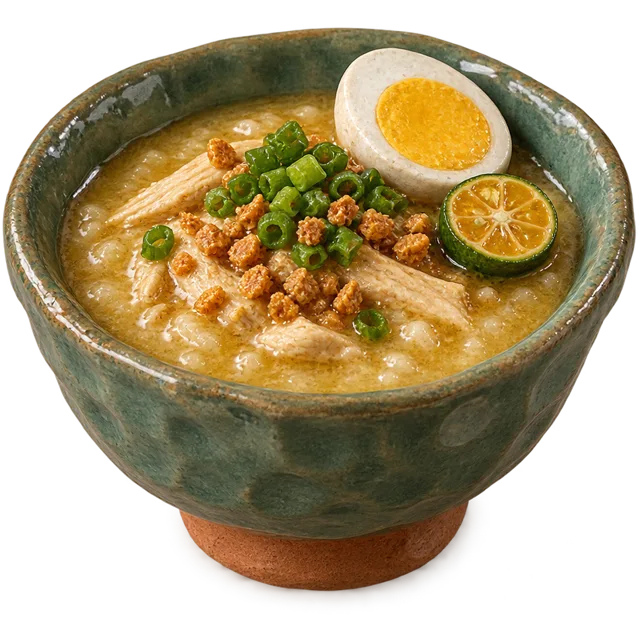 Arroz caldo
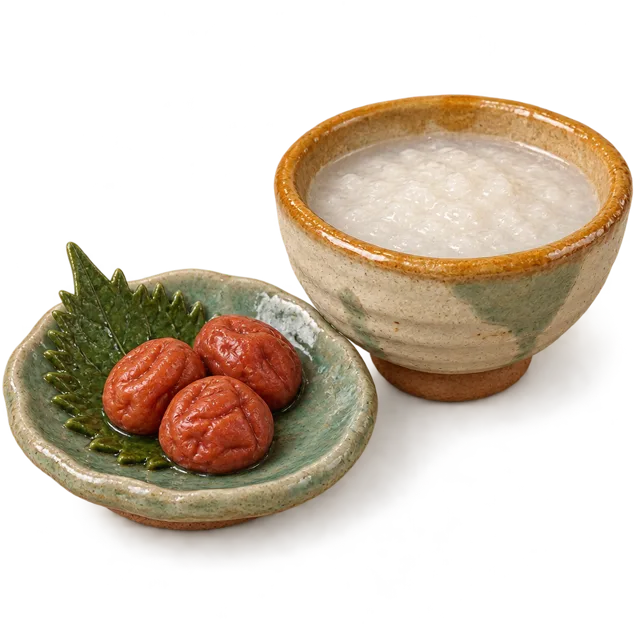 Umeboshi
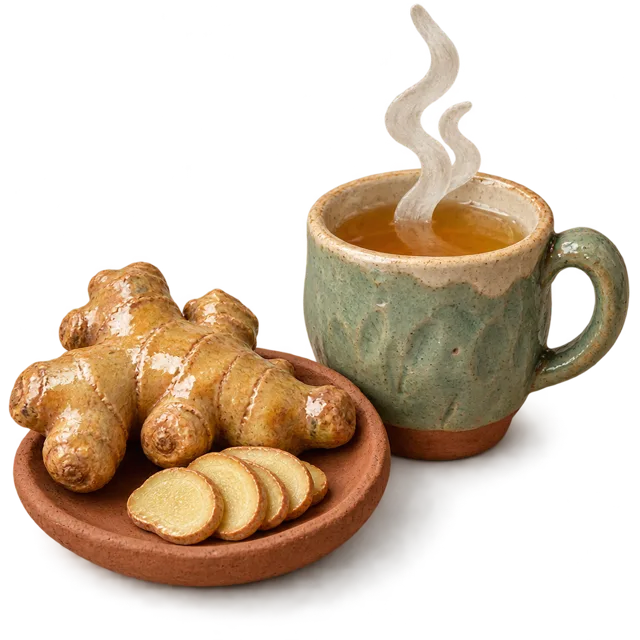 Ginger
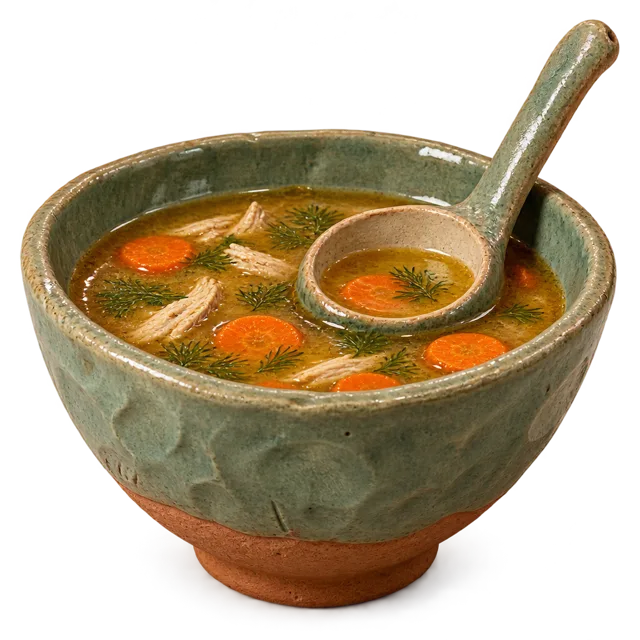 Chicken soup
Sources
- Congee (Wikipedia)
- Juk (Korean food) (Wikipedia)
- Diarrhoea and vomiting (NHS)
- Common cold (NHS)
- Home food fact checker (Food Standards Agency)
By the Remedies by Culture editorial team · Last checked 1 October 2026 · Not medical advice, and not medically reviewed. How we work
The Remedy Atlas · digital book
How the world heals, honestly rated
Every remedy for colds, and 127 in all from 64 cultures, in one beautiful book. Each has its recipe, an honest evidence rating and clear safety flags.