Used in 2 cultures · Colds, Upset stomach
Umeboshi: Japan's sour plum for sick days, honestly rated
Also called 梅干し, Japanese pickled plum, salted ume, ume plum
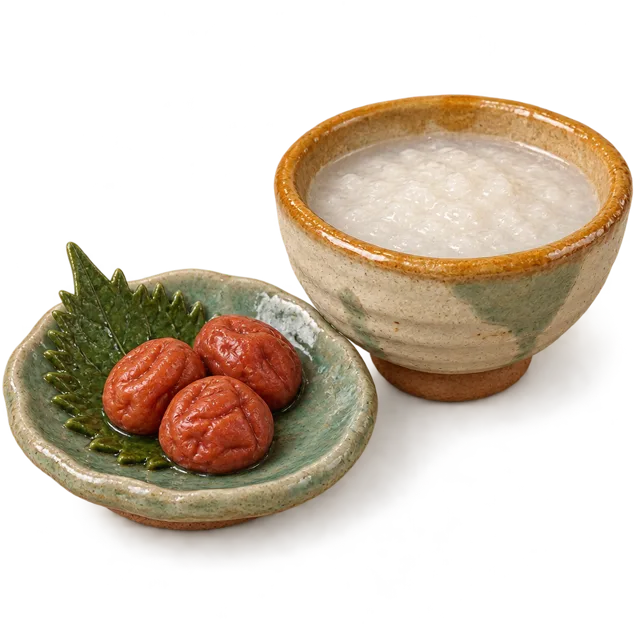
Umeboshi are ume fruits pickled in salt, then dried. In Japan they are traditionally eaten on okayu (soft rice porridge) when someone has a cold or a delicate stomach, and sipped in ume-sho-bancha tea. They haven't been studied as a cold remedy: the comfort is warm, easy food. They are very salty.
Around the world
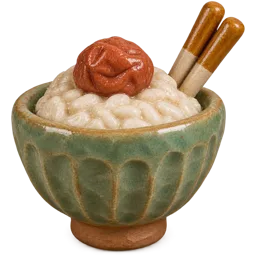
Japanese · お粥と梅干し (okayu to umeboshi)
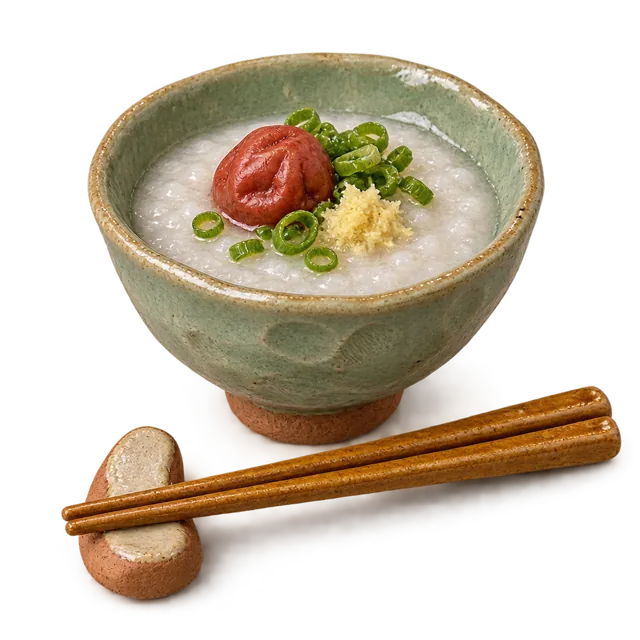
A single umeboshi on a bowl of okayu is the classic Japanese sick-day meal, traditionally served for colds, flu or an unsettled stomach because the porridge is soft and easy to eat.
The recipe: Okayu with umeboshi and negi →Japanese (macrobiotic) · 梅醤番茶 (ume-sho-bancha)
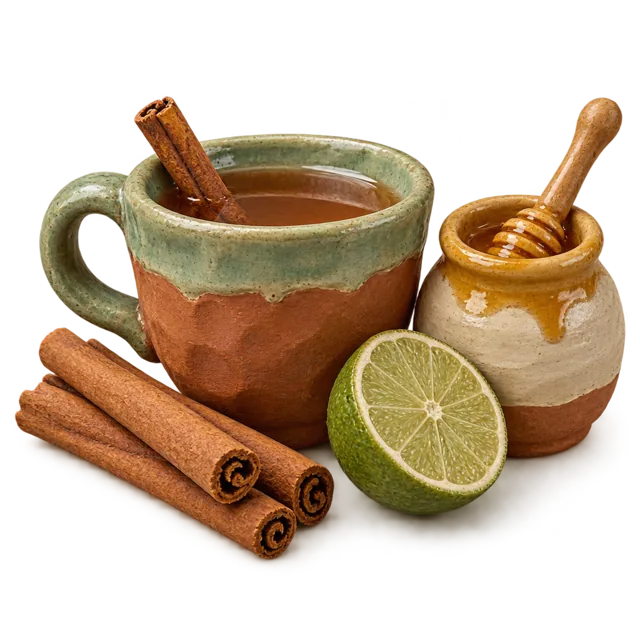
Umeboshi mashed with a little soy sauce and topped up with hot bancha tea is a Japanese folk drink, popularised abroad by macrobiotic cooking, traditionally sipped to warm up when feeling run down.
How it's traditionally used
- 1Cook a pot of okayu: simmer 1 part rinsed rice with 5 to 7 parts water for 30 to 40 minutes until soft.
- 2Top a bowl with one umeboshi, take out the hard stone and throw it away, and tear off small pieces as you eat.
- 3For ume-sho-bancha, remove the stone, mash half an umeboshi in a cup with a few drops of soy sauce and pour over hot bancha tea.
- 4One plum a day is plenty; they are very salty.
What the evidence says
Cultural practice, not studied: there are no trials of umeboshi or ume-sho-bancha for colds or stomach upsets. The meal fits NHS self-care advice to rest, keep warm, drink fluids and eat when you feel able. Lab findings about ume extracts don't show what a pickled plum does in the body.
Myth check: Ume-sho-bancha is sometimes promoted as a tea that fixes everything and alkalises the body. There's no evidence for either claim; food doesn't change your blood's pH.
Who should skip it
- 🤰 Fine in normal food amounts in pregnancy
- 🧒 Fine for children in normal food amounts
- 💊 Very salty: go easy if you've been told to cut salt. Adults should have no more than 6g of salt a day in total
- 💊 Ume-sho-bancha adds soy sauce, which adds more salt
- 💊 Umeboshi have a hard stone: remove it before eating, and always before giving any to a child
- 🌼 Soy (and usually wheat) in soy sauce, if making ume-sho-bancha
- Cold symptoms that get worse or don't improve after 10 days, a high temperature for more than 3 days, or a cough for more than 3 weeks
- Shortness of breath or chest pain (call 999 in the UK or 911 in the US if chest pain is sudden or breathing is severely difficult)
- You have a long-term condition or a weakened immune system
- Diarrhoea for more than 7 days or vomiting for more than 2 days (NHS)
- Signs of dehydration, such as peeing much less than usual or feeling dizzy (NHS)
Questions people ask
What is umeboshi?
Umeboshi are ume, a sour apricot-like fruit, packed in salt for weeks and then dried, sometimes with red shiso leaves for colour. They taste intensely sour and salty and are usually eaten in small pieces with plain rice or in onigiri.
Why do Japanese people eat okayu with umeboshi when sick?
Okayu is soft and easy to digest, so it is the go-to food when appetite is low, and the sour, salty plum gives plain porridge some flavour. It's comfort food, not medicine, and it hasn't been studied as a cold remedy.
What is ume-sho-bancha?
A warming drink of umeboshi, a few drops of soy sauce and hot bancha (a mild Japanese green tea), common in macrobiotic cooking. It's a cultural practice; claims that it fixes all ills or alkalises the body are not supported.
How much salt is in umeboshi?
Traditional umeboshi are roughly a fifth to a quarter salt by weight, so even one plum adds noticeably to your day. Lower-salt versions exist; check the label if you've been told to limit salt.
Related ingredients
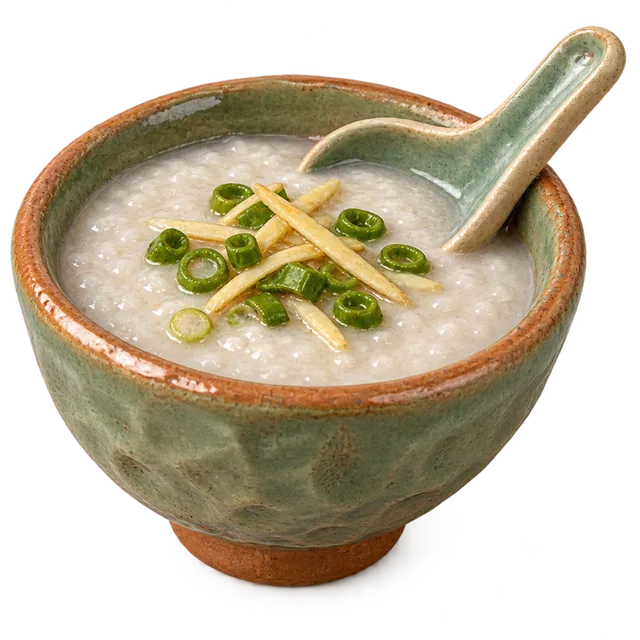 Congee
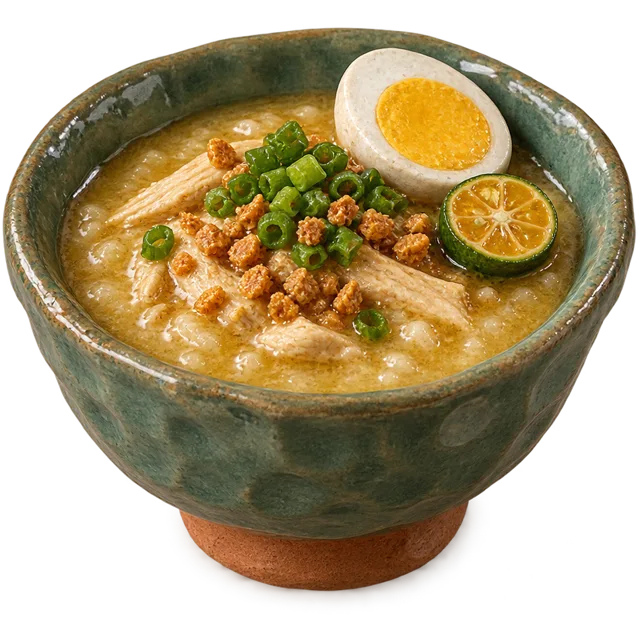 Arroz caldo
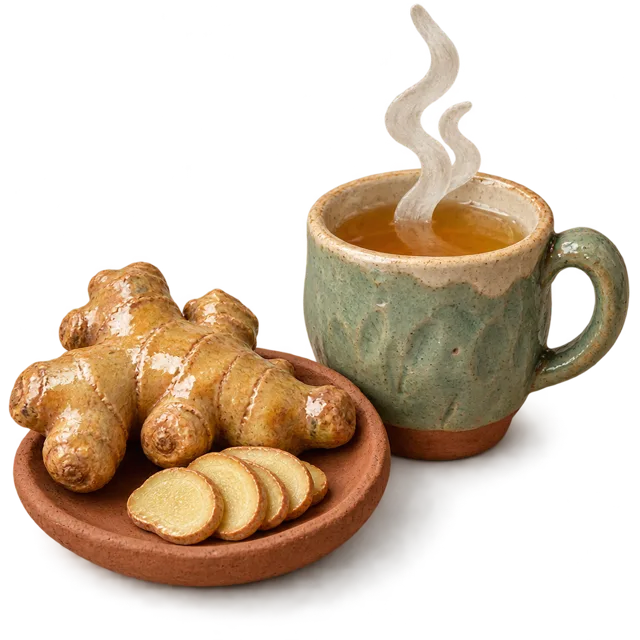 Ginger
Sources
- Umeboshi (Wikipedia)
- Ume-Sho Bancha (Cooking with Yoshiko)
- Common cold (NHS)
- Salt: the facts (NHS)
- Diarrhoea and vomiting (NHS)
By the Remedies by Culture editorial team · Last checked 1 October 2026 · Not medical advice, and not medically reviewed. How we work
The Remedy Atlas · digital book
How the world heals, honestly rated
Every remedy for colds, and 127 in all from 64 cultures, in one beautiful book. Each has its recipe, an honest evidence rating and clear safety flags.