Used in 2 cultures · Colds
Fire cider: the fiery folk tonic, honestly rated
Also called fire tonic, cider vinegar tonic
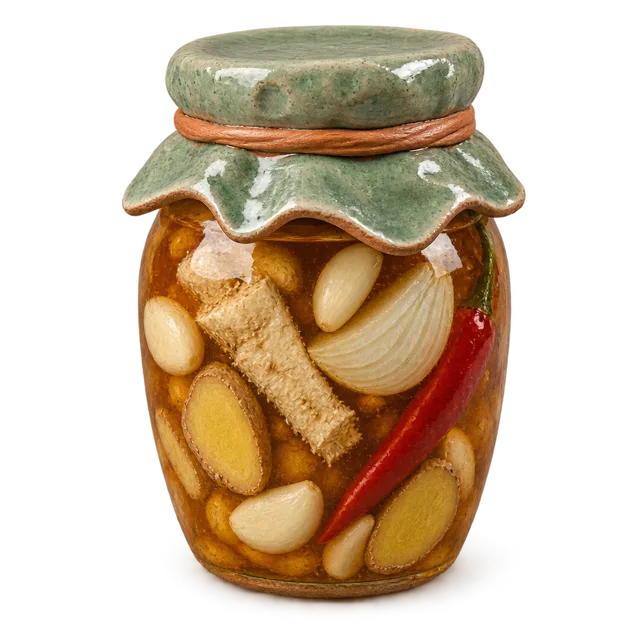
Fire cider is an American folk-herbalism tonic made by steeping apple cider vinegar with horseradish, garlic, onion, ginger and chilli, often sweetened with honey. It is traditionally taken by the spoonful in cold season. It hasn't been studied, and claims that it strengthens immunity aren't supported. It's acidic, so dilute it.
Around the world
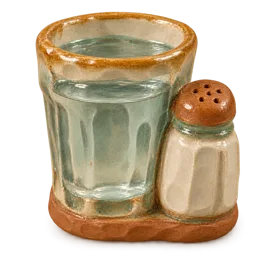
American folk herbalism · Fire cider
Herbalists have made this hot, sour vinegar tonic since at least the 1980s and take a daily spoonful through winter; a 2019 US ruling found the name generic.
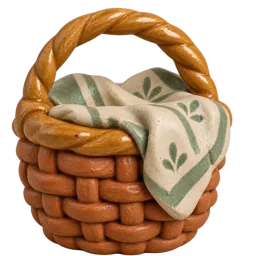
Ancient Greek and European · Oxymel (ὀξύμελι)
Honey mixed with vinegar was used as a medicine from antiquity through Renaissance pharmacies, and herbalists see it as fire cider's ancestor.
How it's traditionally used
- 1Use shop-bought apple cider vinegar (its acidity is reliable). Wash a glass jar and a non-metal lid, then sterilise them in simmering water for a full 10 minutes.
- 2Rinse, peel and chop the horseradish, garlic, onion, ginger and chilli: 1 to 2 cups in total for every 2 cups (1 pint) of vinegar, no more. Put them in the warm jar, heat the vinegar to just below boiling and pour it over, leaving ¼ inch (6 mm) at the top.
- 3Seal and leave in a cool, dark place (65°F/18°C or below) for 10 days to 4 weeks, then strain into a freshly sterilised jar and discard the solids. Don't add honey to the jar: it isn't part of the tested method.
- 4Keep it sealed in the fridge and use it within 6 months. Throw it away without tasting if it bubbles, turns cloudy or slimy, or grows mould.
- 5Take a spoonful diluted in water or stirred into food, not neat. If you like it sweeter, stir a little honey into that one serving, then rinse your mouth with water afterwards.
What the evidence says
Fire cider itself has never been tested in a trial. A Cochrane review found too little good evidence to say garlic helps prevent or ease colds. Its comfort is mostly the warming heat of horseradish and chilli.
Myth check: Fire cider is often sold as a way to strengthen your immune system or ward off colds, but there's no evidence it does either.
Who should skip it
- 🤰 Pregnant or breastfeeding? Check with your midwife or doctor first
- 🧒 Not for children under 12
- 💊 Garlic in large amounts may add to the effect of blood thinners such as warfarin
- 💊 Vinegar is acidic and can wear tooth enamel: dilute it and rinse your mouth after
- 💊 Vinegar, chilli and garlic can make heartburn and acid reflux worse
- 🌼 Garlic, onion or mustard-family (horseradish) sensitivity
- 🌼 Pollen or bee-product allergy (honey); never give honey to babies under 1
- Cold symptoms that get worse, or don't improve after 10 days
- A high temperature for more than 3 days, a very high temperature, or you feel hot, cold or shivery
- A cough that lasts more than 3 weeks
- You feel short of breath or have chest pain. Call 999 (UK) or 911 (US) if chest pain is sudden or breathing is severely difficult
- You have a long-term condition or a weakened immune system
- Pain or burning when swallowing after taking it
Questions people ask
What is fire cider good for?
It's traditionally taken in winter as a warming tonic during colds. It hasn't been studied, so there's no evidence it prevents colds or helps you get better sooner.
How do you take fire cider?
Most people take a spoonful diluted in water, tea or salad dressing. Taking it neat is harsh on your throat and teeth, so dilute it and rinse your mouth afterwards.
Does fire cider help your immune system?
There's no evidence it does. A Cochrane review couldn't confirm that garlic prevents colds, and the mix itself has never been tested.
Is fire cider bad for your teeth?
It can be. Lab tests show vinegar dissolves tooth enamel minerals, so dilute it, don't sip it slowly through the day, and rinse with water after.
Related ingredients
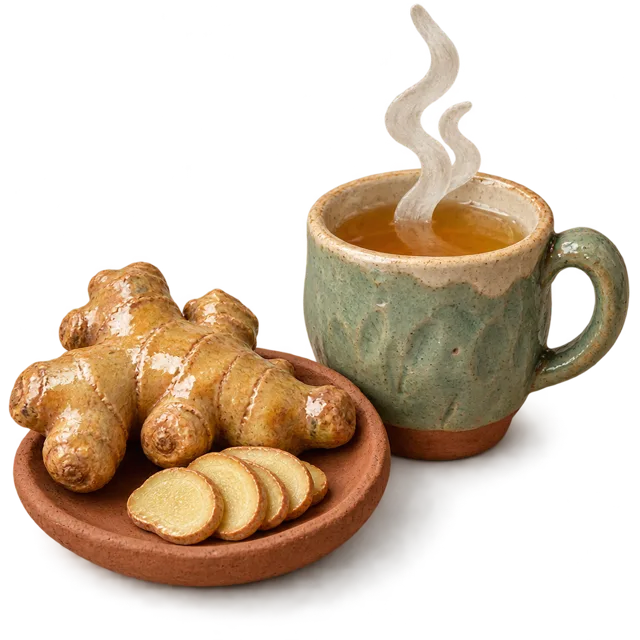 Ginger
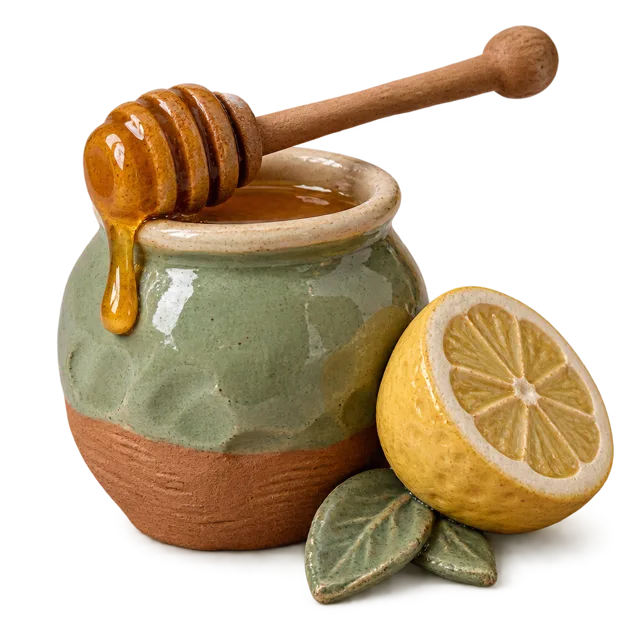 Honey
 Golden milk
Sources
- Garlic for the common cold (Cochrane)
- Garlic (NCCIH)
- In vitro study on dental erosion caused by different vinegar varieties using an electron microprobe (Clin Lab, 2014) (PubMed)
- Heartburn and acid reflux (NHS)
- Fire cider (Wikipedia)
- Making Flavored Vinegar (Fact Sheet 9.340) (Colorado State University Extension)
- Food safety tips for making infused oils, vinegars, liquor or honey (NC State Extension (NC State News))
By the Remedies by Culture editorial team · Last checked 1 October 2026 · Not medical advice, and not medically reviewed. How we work
The Remedy Atlas · digital book
How the world heals, honestly rated
Every remedy for colds, and 127 in all from 64 cultures, in one beautiful book. Each has its recipe, an honest evidence rating and clear safety flags.