Used in 5 cultures · Cough, Sore throat, Colds
Honey for cough: how cultures use it, honestly rated
Also called miel, miód, shahad (शहद), asal (عسل)
Honey is traditionally used for coughs and sore throats in warm drinks across many cultures. Reviews suggest some cough relief, but much of the evidence is in children over 1; adult benefit is less certain. Never give honey to babies under 1.
Around the world
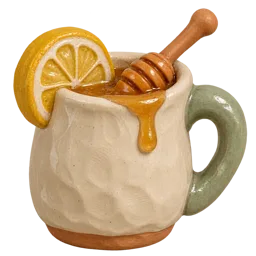
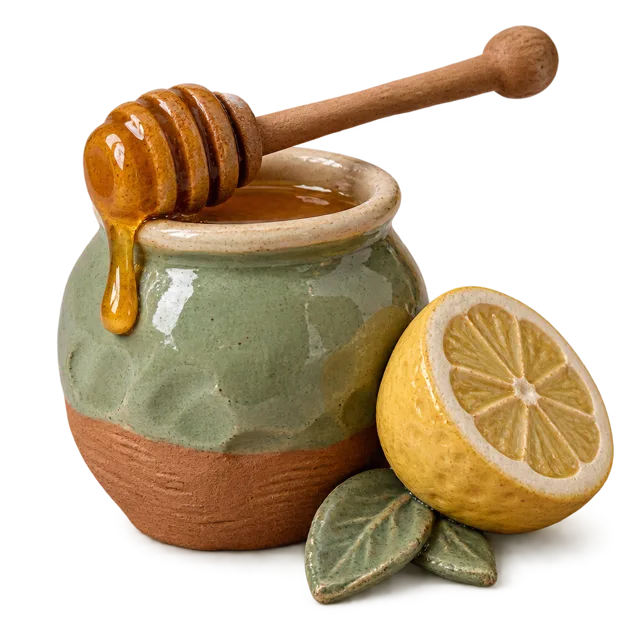
British · Hot honey and lemon
Stirred into hot water with lemon and sipped to soothe a cough or sore throat during a cold; the NHS gives the recipe itself.
The recipe: Hot honey and lemon →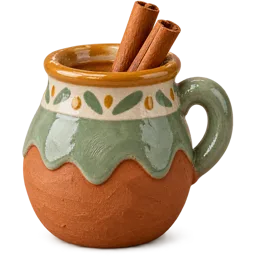
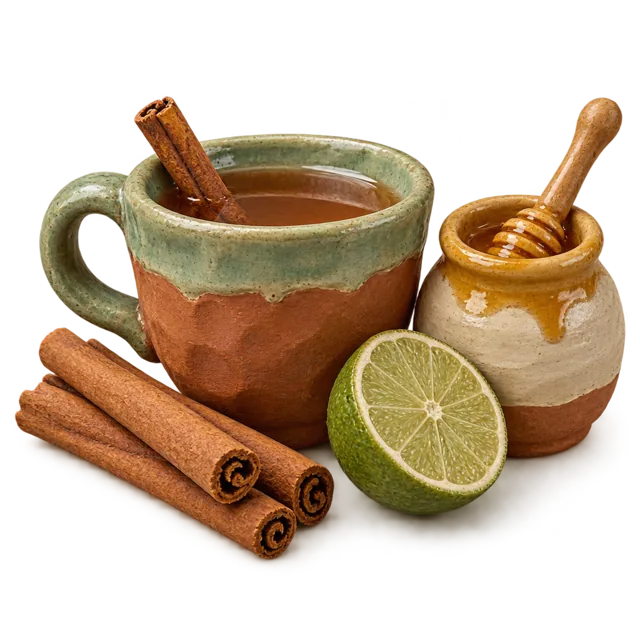
Mexican · Té de canela con miel
Added to simmered canela (cinnamon) tea with lime when someone at home has a cold or scratchy throat.
The recipe: Té de canela con limón →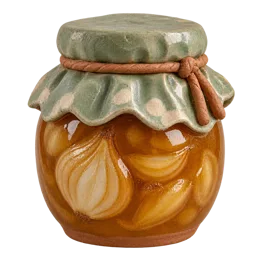
Polish · Syrop z cebuli
Layered with sliced onion in a jar to draw out a sweet syrup, spooned by families for coughs.
The recipe: Syrop z cebuli →
Indian · Adrak aur shahad (अदरक और शहद)
Mixed with fresh ginger juice in Indian homes and Ayurvedic tradition and taken by the spoonful to soothe a cough.
Middle Eastern · Asal (عسل)
A spoonful of honey, on its own or stirred into warm water or tea, is a familiar household standby when a cold or cough sets in.
How it's traditionally used
- 1For adults: stir 1 to 2 teaspoons of honey into a mug of warm (not boiling) water, tea or lemon water.
- 2Sip slowly, or take a teaspoon straight to coat the throat.
- 3Repeat a few times a day while the cough lasts, and keep an eye on red-flag symptoms.
What the evidence says
The Cochrane review concerns children over 1, not adults. A separate 14-study review found honey better than usual care for some cough outcomes, but the combined results did not clearly show whether honey worked better than a placebo. This does not establish the same benefit in adults or prove that honey shortens a cold.
Myth check: Raw or manuka honey isn't proven to work better for a cough than ordinary runny honey.
Who should skip it
- 🤰 Fine in normal food amounts in pregnancy
- 🧒 Never give honey to babies under 1
- 💊 Honey is sugar: count it if you have diabetes or watch your blood sugar
- 🌼 Pollen or bee-product allergy
- A cough that lasts more than 3 weeks
- A sore throat that doesn't improve after a week
- Coughing up blood, chest pain or difficulty breathing: get urgent advice
- Call 999 (UK) or 911 (US) if you have severe difficulty breathing, can't swallow, are drooling, or make a high-pitched sound when you breathe
- A high temperature that isn't settling, or you feel very unwell
- Unexplained weight loss or a hoarse voice that won't go away
- A baby under 1 has a cough: never give honey, and speak to a pharmacist or GP
Questions people ask
Does honey help a cough?
Honey may ease a cough, but adult evidence is limited. The Cochrane review studied children over 1. The broader review found benefits against usual care, while the combined results did not clearly show whether honey worked better than a placebo. Never give honey to babies under 1.
Is honey good for a sore throat?
The NHS suggests warm drinks with honey and lemon as a way to soothe a sore throat at home. Honey coats the throat, which many people find comforting.
Why can't babies under 1 have honey?
Honey can contain bacteria that cause infant botulism, a rare but serious illness. The NHS says never give honey to babies under 12 months, including in drinks or cooking.
Which honey is best for a cough?
There is no good evidence that an expensive honey gives more cough relief than ordinary honey. Relief is not guaranteed with any type.
Related ingredients
 Ginger
 Thyme tea
 Fire cider
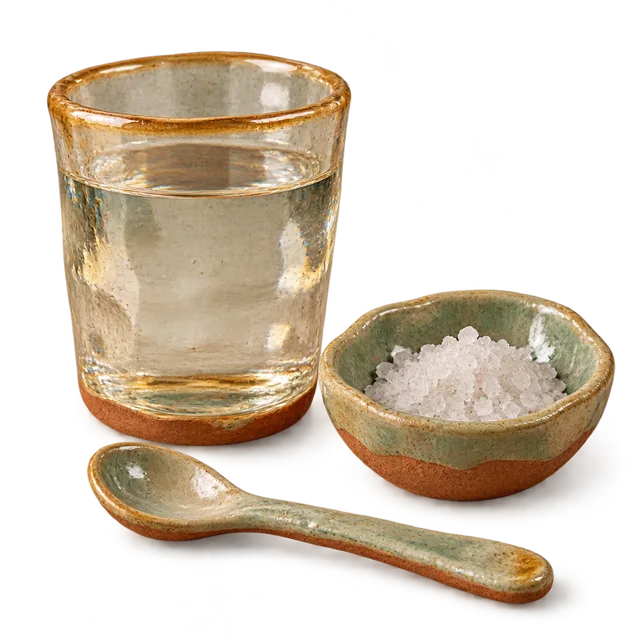 Salt-water gargle
Sources
- Honey for acute cough in children (Cochrane)
- Effectiveness of honey for symptomatic relief in upper respiratory tract infections: a systematic review and meta-analysis (BMJ Evid Based Med, 2021) (PubMed)
- Cough (NHS)
- Common cold (NHS)
- Foods to avoid giving babies and young children (NHS)
- Sore throat (NHS)
By the Remedies by Culture editorial team · Last checked 4 November 2026 · Not medical advice, and not medically reviewed. How we work
The Remedy Atlas · digital book
How the world heals, honestly rated
Every remedy for cough, and 127 in all from 64 cultures, in one beautiful book. Each has its recipe, an honest evidence rating and clear safety flags.