
Used in 3 cultures · Hair, Skin
Rice water for hair: Yao, Heian and Korean rinses, honestly rated
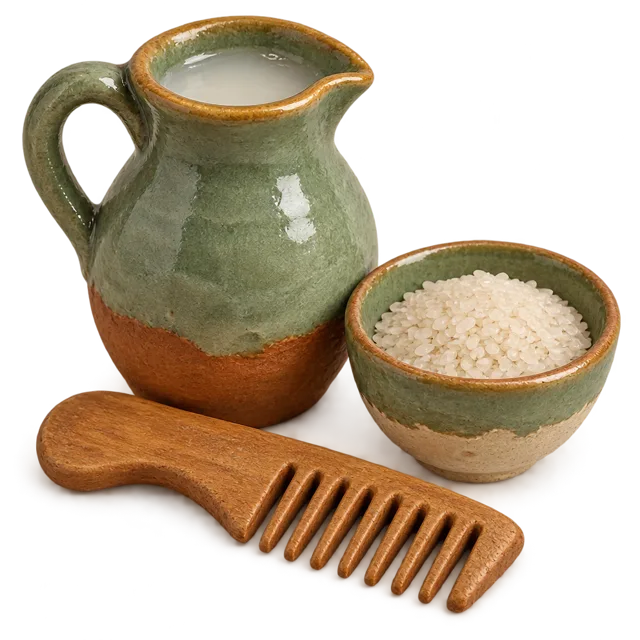
Also called rice water for hair, 淘米水 (táomǐ shuǐ), yu-su-ru, 쌀뜨물 (ssal-tteumul), togi-jiru
Rice water is the cloudy water left from rinsing or soaking rice. Red Yao women in Huangluo, China, traditionally wash their very long hair with it, Heian-era Japanese court women reportedly combed it through theirs, and Koreans used it as a face rinse. It may help hair feel smoother, but there's little evidence and no proof it makes hair grow.
Around the world
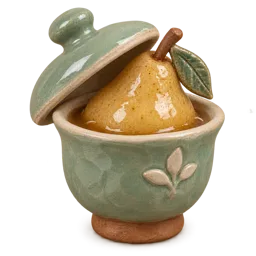
Red Yao · 淘米水 (táomǐ shuǐ)
Women in Huangluo village, famous for their floor-length hair, traditionally wash it with fermented rice water mixed with ingredients such as tea seeds and orange peel.
The recipe: Huangluo Yao rice water rinse (淘米水) →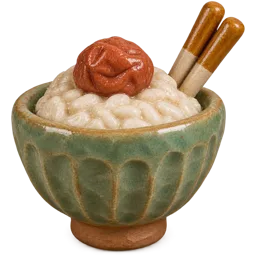
Japanese · ゆする (yu-su-ru)
Court women of the Heian period (794 to 1185), whose hair reached the floor, are said to have combed it daily with yu-su-ru, the water from washing rice.
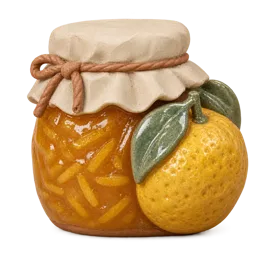
Korean · 쌀뜨물 (ssal-tteumul)
The cloudy rice-rinse water was rarely wasted in Korean homes: it went into soups and was traditionally used to wash hands and faces.
The recipe: Ssal-tteumul (쌀뜨물) →How it's traditionally used
- 1Rinse 1/2 cup of rice once to remove dust, then soak it in 2 cups of clean water for 30 minutes to 2 hours and strain off the cloudy water.
- 2Patch test first: make a fresh batch each time and apply a little to the same small spot (such as the inside of your elbow) twice a day for 7 to 10 days. If your skin reacts, wash it off and don't use it again.
- 3After shampooing, pour it over your hair and scalp, leave for a few minutes, then rinse it out thoroughly with plain water.
- 4Make it fresh and use it the same day; once a week is plenty.
What the evidence says
Cultural practice, barely studied. A small lab study by a Japanese cosmetics company found rice-rinse water reduced surface friction and increased elasticity in hair fibres, but it also left flakes on the hair. Dermatologists quoted by Cleveland Clinic say there isn't much scientific evidence, and nothing shows it changes how fast hair grows.
Myth check: Rice water is widely shared as a way to grow longer hair. There's no evidence it makes hair grow faster or thicker; any softer, smoother feel is a conditioning effect on the hair you already have.
Who should skip it
- 🤰 Fine in normal food amounts in pregnancy
- 🧒 Not for children under 12
- 💊 Long-fermented rice water can grow bacteria and mould: throw it away if it smells rotten or looks slimy, and don't keep it for days
- 💊 Rinse it out fully: left on, starch can leave flakes, feel tacky or irritate the scalp
- 💊 If your hair turns stiff, dry or straw-like (what hair-care fans call 'protein overload'), use it less often
- 💊 Skip it if your scalp is already inflamed, sore or flaky
- 🌼 Rice allergy is rare, but patch test first
- 🌼 Citrus peel or other add-ins can irritate a sensitive scalp
- Hair falling out in patches, or a lot more hair coming out than usual
- A sore, scaly, itchy or weeping scalp that doesn't settle
- Hair loss along with feeling tired, weight changes or other new symptoms
- A rash that spreads, blisters or keeps itching after you stop using it
- Signs of infection: skin that's hot, swollen, painful or oozing
Questions people ask
Does rice water make your hair grow?
There's no evidence that it does. A small lab study found it made hair fibres smoother and more elastic, which may help hair feel softer and break less, but nothing shows faster or thicker growth.
How do you make rice water for hair?
Rinse the rice once, soak it in clean water for 30 minutes to 2 hours, then strain off the cloudy water. Dermatologists quoted by Cleveland Clinic prefer this short soak, since long fermenting can add bacteria.
Is fermented rice water better?
The Yao tradition uses fermented rice water, but fermenting also means bacteria and a sour smell, and there's no evidence it works better. If you try it, keep it short, use it fresh and throw away anything that smells off.
Can you use rice water on your face?
In Korea, rice-rinse water was traditionally used to wash the face, and it's generally gentle. Patch test first, rinse it off fully, and don't expect it to change dark spots or wrinkles.
How long should you leave rice water in your hair?
A few minutes after shampooing, then rinse it out thoroughly. Leaving it on for hours or overnight can leave starchy flakes and make hair feel stiff.
Related ingredients
 Argan oil
Sources
- The Effect of Rinse Water Obtained from the Washing of Rice (YU-SU-RU) as a Hair Treatment (Journal of Society of Cosmetic Chemists of Japan (J-STAGE))
- Women of Yao ethnic group have tradition of keeping long hair (Xinhua)
- Rice Water for Hair: Benefits and How To Make (Cleveland Clinic)
- 7 Uses for Rice Water (Kimchimari)
- How to test skin care products (American Academy of Dermatology)
By the Remedies by Culture editorial team · Last checked 1 October 2026 · Not medical advice, and not medically reviewed. How we work
The Remedy Atlas · digital book
How the world heals, honestly rated
Every remedy for hair, and 127 in all from 64 cultures, in one beautiful book. Each has its recipe, an honest evidence rating and clear safety flags.


