Used in 3 cultures · Cough, Colds
Thyme tea for cough: Europe's herbal classic, honestly rated
Also called Thymiantee, tisane de thym, infusión de tomillo
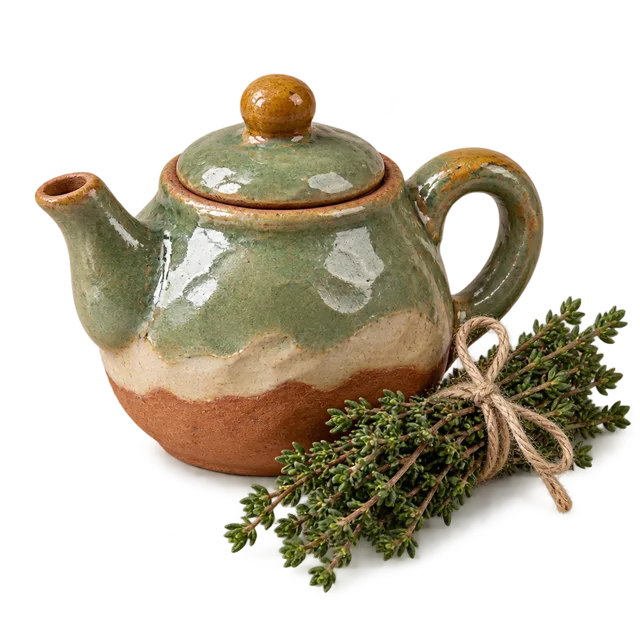
Thyme tea is a classic household drink in Germany, France and Spain, traditionally used to soothe a chesty, productive cough during a cold. The EMA recognises thyme as a traditional herbal medicine for this, based on long, safe use rather than strong clinical trials. Thyme tea alone hasn't been well tested.
Around the world
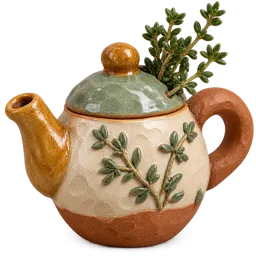
German · Thymiantee
A classic Hausmittel for a chesty cough, and thyme is a familiar ingredient in German pharmacy cough syrups.
The recipe: Thymiantee →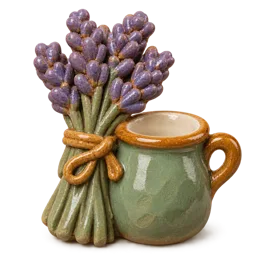
French · Tisane de thym
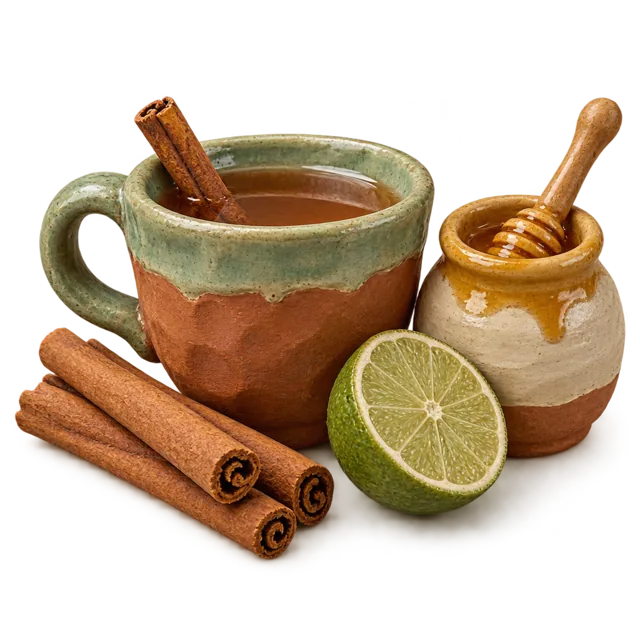
A 'remède de grand-mère' for winter coughs and colds, often sweetened with a spoonful of honey.
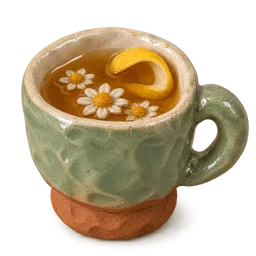
Spanish · Infusión de tomillo
Wild thyme gathered from the hills is brewed as a home infusion for colds, coughs and after heavy meals.
How it's traditionally used
- 1Put 1 to 2 teaspoons of dried thyme (or a few fresh sprigs) in a cup.
- 2Pour over just-boiled water, cover and leave for 10 minutes.
- 3Strain and sip warm, up to 3 or 4 cups a day, for no more than a week. If the cough is getting worse, or still there after a week, see a doctor or pharmacist.
What the evidence says
The EMA recognises thyme for productive coughs with colds as a 'traditional use', meaning long, safe use but not enough clinical trial evidence. A German trial found a syrup combining thyme and ivy leaf eased coughing fits in acute bronchitis, but that doesn't prove plain thyme tea works.
Myth check: Thyme oil kills germs in a lab dish, but that doesn't mean a cup of thyme tea can clear a chest infection; that needs a doctor.
Who should skip it
- 🤰 Pregnant or breastfeeding? Check with your midwife or doctor first
- 🧒 Not for children under 12
- 💊 Pregnancy and breastfeeding: the EMA doesn't recommend medicinal thyme preparations, because safety hasn't been established. Thyme as a herb in cooking is different; ask your midwife, doctor or pharmacist before using thyme tea as a remedy
- 🌼 Mint-family (Lamiaceae) allergy, e.g. oregano, basil, rosemary
- The cough gets worse, or lasts more than a week while you're using thyme tea
- A cough that lasts more than 3 weeks
- Coughing up blood, chest pain or difficulty breathing
- A high temperature that isn't settling, or you feel very unwell
- Unexplained weight loss or a hoarse voice that won't go away
Questions people ask
Is thyme tea good for a cough?
It's a traditional European cough remedy, and the EMA recognises thyme for productive coughs with colds based on long use. Strong trial evidence for the tea on its own is lacking.
How do you make thyme tea for a cough?
Steep 1 to 2 teaspoons of dried thyme in a cup of just-boiled water for 10 minutes with the cup covered, then strain. Some people add honey and lemon.
Which cough is thyme traditionally used for?
A chesty, productive cough that comes with a cold. A dry cough that lasts more than 3 weeks needs a GP, not tea.
Can I drink thyme tea every day?
Thyme as a herb in food is fine. The EMA's traditional use is for short spells of a week or so; if your cough lasts longer, see a doctor.
Related ingredients
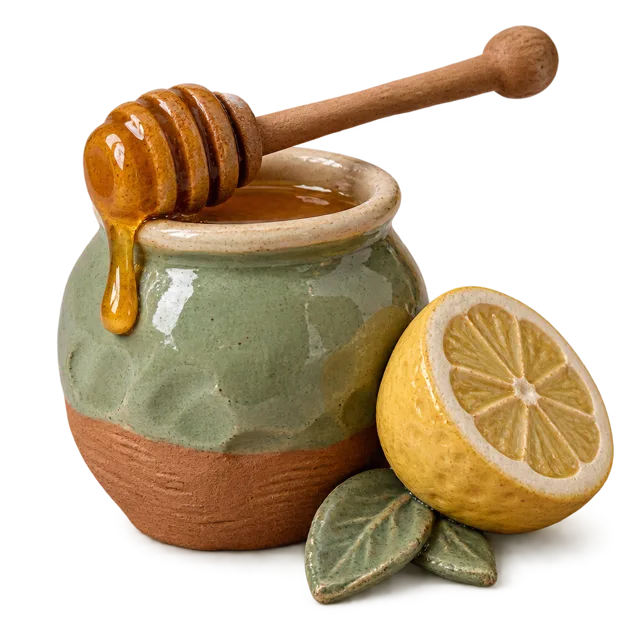 Honey
 Ginger
 Peppermint tea
Sources
- Thymi herba (thyme) herbal monograph (EMA)
- Efficacy and tolerability of a fluid extract combination of thyme herb and ivy leaves and matched placebo in adults suffering from acute bronchitis with productive cough (Arzneimittelforschung, 2006) (PubMed)
- Cough (NHS)
By the Remedies by Culture editorial team · Last checked 1 October 2026 · Not medical advice, and not medically reviewed. How we work
The Remedy Atlas · digital book
How the world heals, honestly rated
Every remedy for cough, and 127 in all from 64 cultures, in one beautiful book. Each has its recipe, an honest evidence rating and clear safety flags.