
Kent and Herefordshire, England's traditional hop-growing counties · Ritual · 15 min
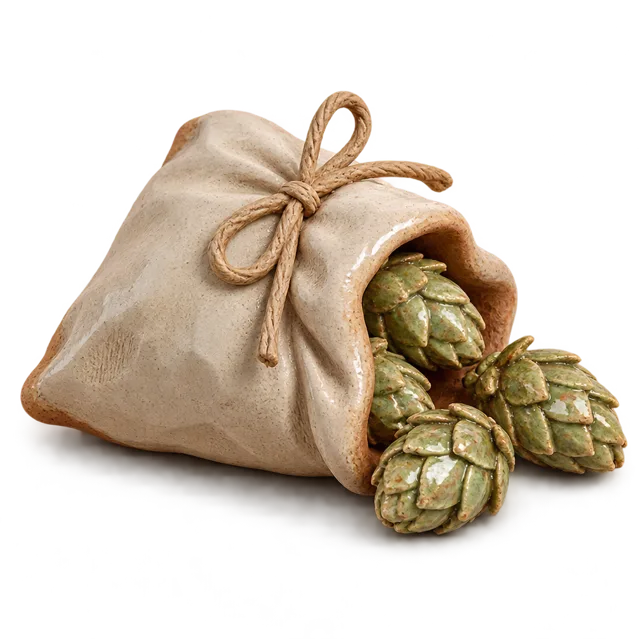
Hop pillow
Pillow filled with dried hops
Traditionally slept on to help with sleeplessness. Cultural practice, not studied. No trials have tested hop pillows for sleep. The EMA recognises hop flowers taken by mouth as a traditional herbal medicine for mild stress and to aid sleep, based on long use, but that doesn't tell us anything about breathing in the scent from a pillow. A regular, relaxing bedtime routine is the NHS's main advice for better sleep.
Where it comes from
Hops have been grown in Kent since the 16th century, when Dutch farmers introduced them as a crop, mostly for brewing beer. A small pillow stuffed with dried hops is a long-standing folk remedy for sleeplessness.
You'll need
- dried hop flowers (cones), from a labelled pack2 large handfuls (about 30 g)
- a small cotton or muslin bag or pillowcase that closes securely1
How it's made
- 1Fill the bag loosely with the dried hops and sew or tie it firmly shut so none can escape.
- 2Tuck it inside your pillowcase or beside your pillow at night, so you can smell it faintly as part of a calm bedtime routine.
- 3Keep the dark, quiet, regular routine the NHS recommends: same bedtime, no screens in bed, and no caffeine in the evening.
- 4Refill it when the scent fades. Keep it well away from dogs: hops are poisonous to them.
What the evidence says
Cultural practice, not studied. No trials have tested hop pillows for sleep. The EMA recognises hop flowers taken by mouth as a traditional herbal medicine for mild stress and to aid sleep, based on long use, but that doesn't tell us anything about breathing in the scent from a pillow. A regular, relaxing bedtime routine is the NHS's main advice for better sleep.
A real tradition we can document, but nobody has properly tested it.
Who should skip it
- 🤰 Pregnant or breastfeeding? Check with your midwife or doctor first
- 🧒 For adults only (under 18s should skip it)
- 💊 Hops are toxic to dogs and can cause a dangerously high temperature, fits and death (ASPCA): keep the pillow and loose hops away from pets
- 💊 Don't eat the hops. The EMA doesn't recommend hop medicines by mouth in pregnancy, while breastfeeding or for children under 12
- 💊 Never put it in a baby's cot: the NHS advises keeping pillows and loose items out of a baby's sleep space
- 💊 Don't drive if you feel sleepy (NHS). The EMA's driving warning is for hop medicines taken by mouth; nobody has assessed a hop pillow
- 🌼 Don't use it if you know you're allergic to hops. Hops can cause skin and airborne allergy (dermatitis), including from dried hop cones (published case report); stop using the pillow if you get a rash, itchy or swollen eyes or a runny nose. Using it without a reaction doesn't rule out allergy later
- See a GP if poor sleep lasts for months and affects your day, or you snore loudly with pauses in your breathing
- See a GP if worry or low mood is keeping you awake
Sources
- Hops (Wikipedia)
- Lupuli flos (hop strobile) herbal monograph (EMA)
- Insomnia (NHS)
- How to get to sleep (NHS)
- Toxic and non-toxic plants: hops (ASPCA)
- Humulus lupulus (Wikipedia)
- Reduce the risk of sudden infant death syndrome (SIDS) (NHS)
- Occupational airborne and hand dermatitis to hop (Humulus lupulus) with non-occupational relapses (2002) (PubMed)
By the Remedies by Culture editorial team · Last checked 2 October 2026 · Not medical advice, and not medically reviewed.


