Field guide
How 11 countries wind down for sleep
Warm milk in Britain, lemon balm tea in Germany, a sauna evening in Finland: here's how the world winds down for sleep, where each tradition comes from and what the evidence says.
| Country | Remedy | Rating |
|---|---|---|
| India | Turmeric milk | Cultural practice |
| Russia | Valerian root tea | Traditional |
| France | Lavender flower bath | Traditional |
| United Kingdom | Warm milk at bedtime | Cultural practice |
| Germany | Lemon balm tea | Traditional |
| South Africa | Evening rooibos tea | Cultural practice |
| Finland | The Finnish sauna | Cultural practice |
| Mexico | Passionflower tea | Traditional |
| Portugal | Lemon verbena tea | Traditional |
| Netherlands | Warm aniseed milk | Cultural practice |
| Tunisia | Orange blossom water in a warm drink | Cultural practice |
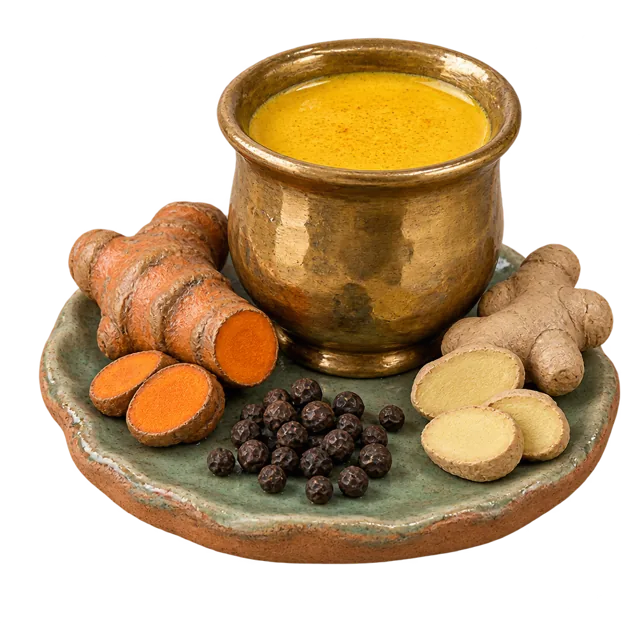
1. India · Households across India, often made by a parent or grandparent
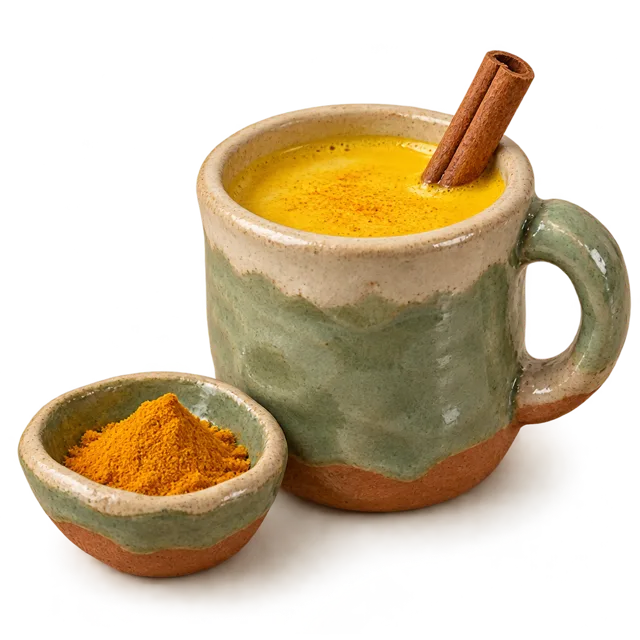
Haldi doodh (हल्दी दूध)
Turmeric milk
Traditionally given at bedtime during a cold to soothe the throat and help someone settle for the night. Haldi doodh is one of the most familiar comfort drinks in Indian homes, where turmeric is part of everyday cooking. It has since travelled the world as 'golden milk' in cafés.
Cultural practiceNCCIH says there isn't good evidence that turmeric helps any health condition, and the amount in a cup of milk is small. It's a warm, comforting bedtime drink; that's as far as the evidence goes.Recipe, sources and who should skip it →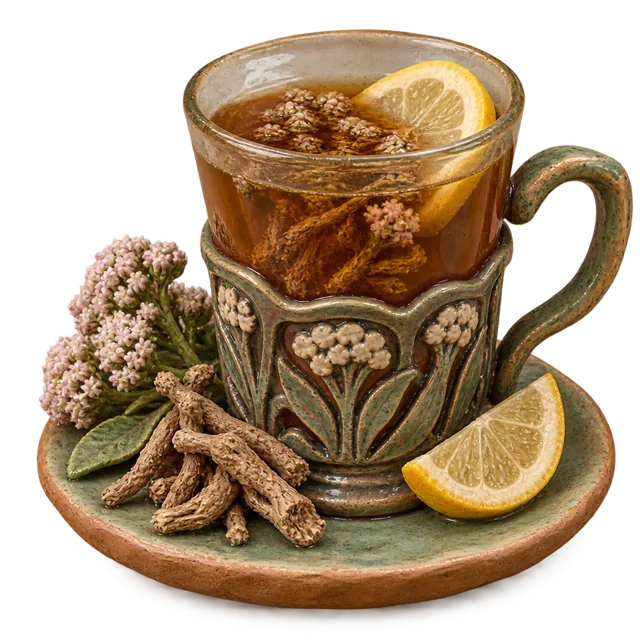
2. Russia · A household standby across Russia and Eastern Europe, where 'valerianka' is a byword for calming down
Chai s valerianoy (чай с валерианой)
Valerian root tea
Traditionally drunk in the evening to help relax and drift off to sleep. In Russia, 'valerianka' is so familiar that the word is used as shorthand for 'calm down'. Many households keep valerian root or drops in the cupboard, and cats famously love the smell.
TraditionalValerian tea is recognised by the European Medicines Agency for traditional use, which is not proof of effectiveness. NCCIH finds sleep evidence inconsistent and insufficient to establish benefit; it notes that the American Academy of Sleep Medicine recommends against valerian for chronic insomnia in adults.Recipe, sources and who should skip it →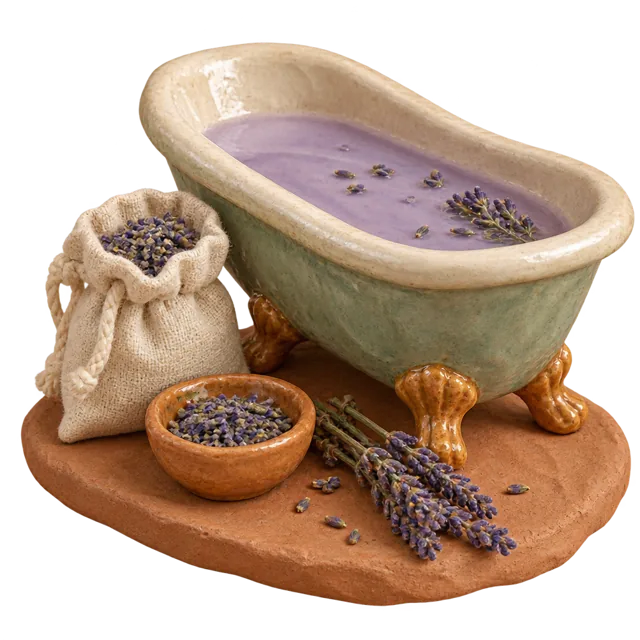
3. France · Provence, home of the lavender fields
Bain à la lavande
Lavender flower bath
Traditionally used in an evening bath to help unwind and settle before sleep. Lavender has been grown on the hillsides of Provence for centuries, and bundles of it are tucked into linen cupboards and pillows across France. A lavender bath is a gentle way to bring that scent into a bedtime routine.
TraditionalThe EMA recognises lavender flower as a traditional remedy for mild stress and to aid sleep. Studies of lavender scent for sleep are small and mixed.Recipe, sources and who should skip it →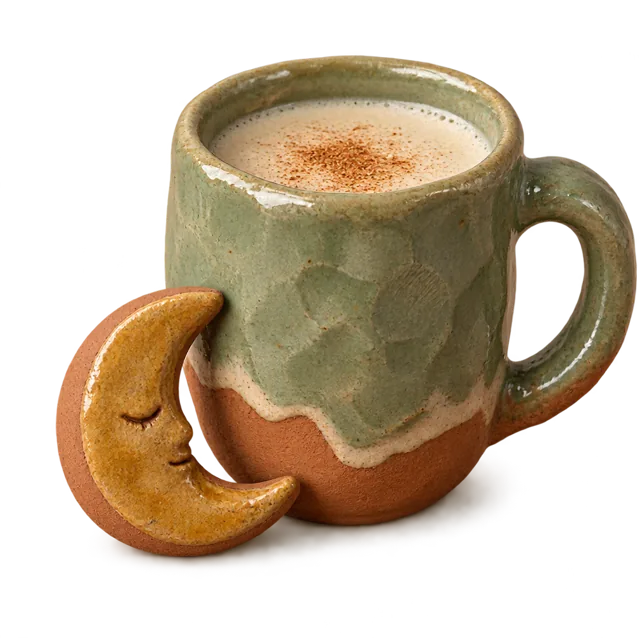
4. United Kingdom · A bedtime habit across Britain, the US and much of Europe
A glass of warm milk
Warm milk at bedtime
Traditionally drunk at bedtime to help people feel sleepy and settled. A warm glass of milk before bed is one of the most familiar bedtime rituals in Britain and beyond, often first learned in childhood. For many people it's more about the routine than the milk.
Cultural practiceMilk contains tryptophan, but a glass has too little to make you sleepy, and there's no good trial evidence. A calm, regular bedtime routine, which the NHS recommends, is the more likely reason it feels helpful.Recipe, sources and who should skip it →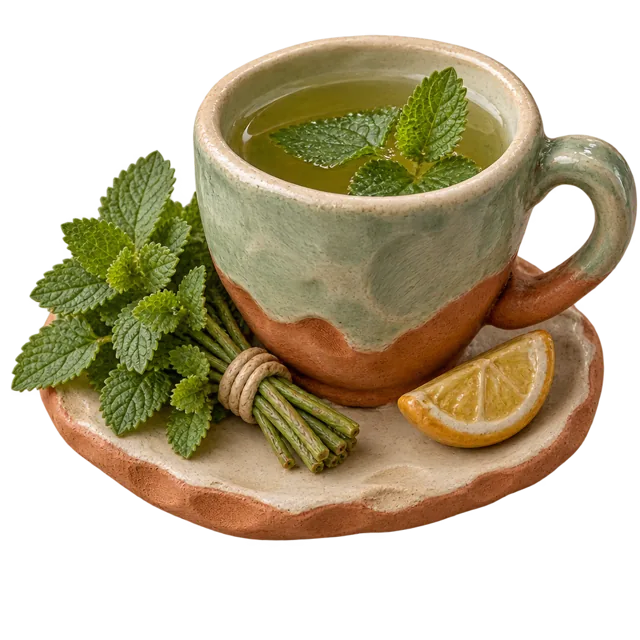
5. Germany · Monastery gardens and home gardens across Germany
Melissentee
Lemon balm tea
Traditionally sipped to calm the nerves after a busy day and help unwind before bed. Lemon balm (Melisse) has grown in German monastery gardens since the Middle Ages and is still one of the country's favourite calming teas. It spreads easily, so many gardeners have more than they know what to do with.
TraditionalThe EMA recognises lemon balm as a traditional remedy for mild stress and to aid sleep, based on long use; this recipe uses an adult amount within its monograph (1.5 to 4.5 g in 150 ml). Good-quality trials are limited.Recipe, sources and who should skip it →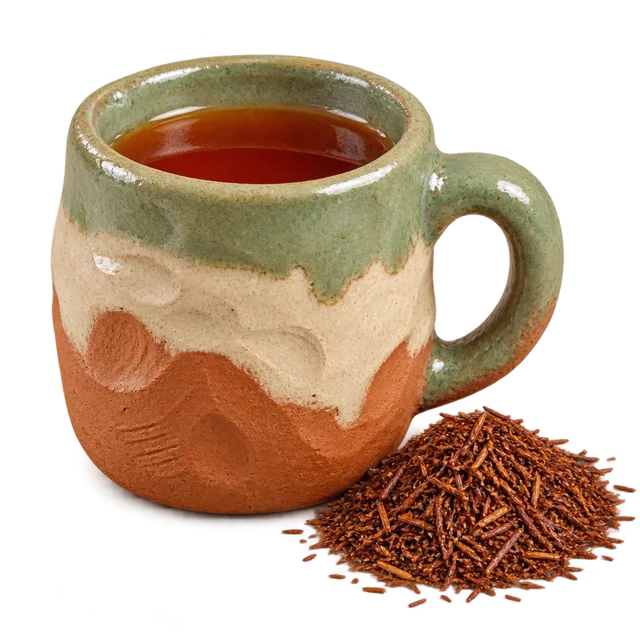
6. South Africa · The Cederberg mountains of the Western Cape, where rooibos grows, and kitchens across South Africa
Rooibos (rooibostee)
Evening rooibos tea
Traditionally drunk as a gentle, caffeine-free cup in the evening and at any time of day to relax. Rooibos ('red bush' in Afrikaans) has been brewed for generations in the Cederberg, first by Khoi and San communities and later across South Africa. It is the country's everyday 'red tea', often drunk with milk, and is a favourite last cup of the day because it contains no caffeine.
Cultural practiceCultural practice, not studied for sleep: no trials show rooibos itself improves sleep. Its real advantage is that it has no caffeine, and the NHS advises cutting down on caffeine in the evening to sleep better. A review notes rare case reports of liver problems and possible interactions with some medicines in daily heavy drinkers.Recipe, sources and who should skip it →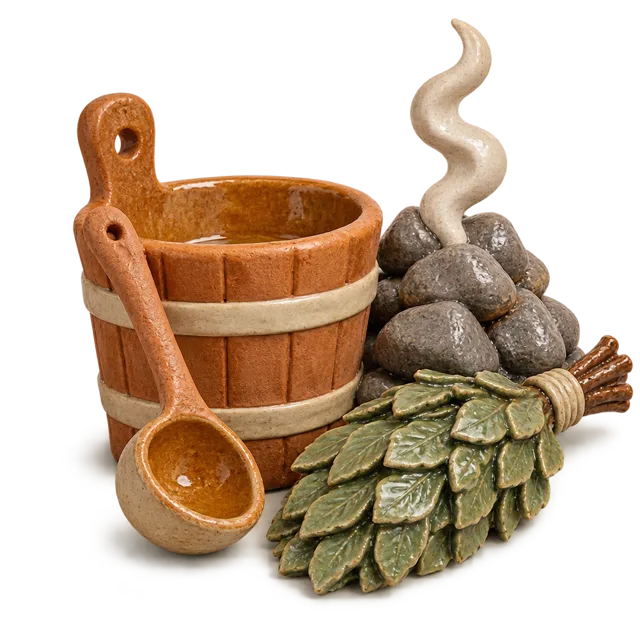
7. Finland · Finland, where there are roughly as many saunas as cars and most homes have one
Sauna
The Finnish sauna
Traditionally a weekly, often Saturday, ritual to relax, wash and unwind, and many Finns say they sleep deeply afterwards. Sauna is a Finnish word, and in 2020 Finnish sauna culture was added to UNESCO's list of intangible cultural heritage. Families heat it on Saturday evenings and before Midsummer, and the steam from water thrown on the stones is called löyly.
Cultural practiceCultural practice. A systematic review found most studies of regular dry sauna bathing report benefits, but they're small, varied and mostly not randomised, so the evidence for relaxation or sleep is weak. It's a pleasant way to wind down rather than a proven sleep aid.Recipe, sources and who should skip it →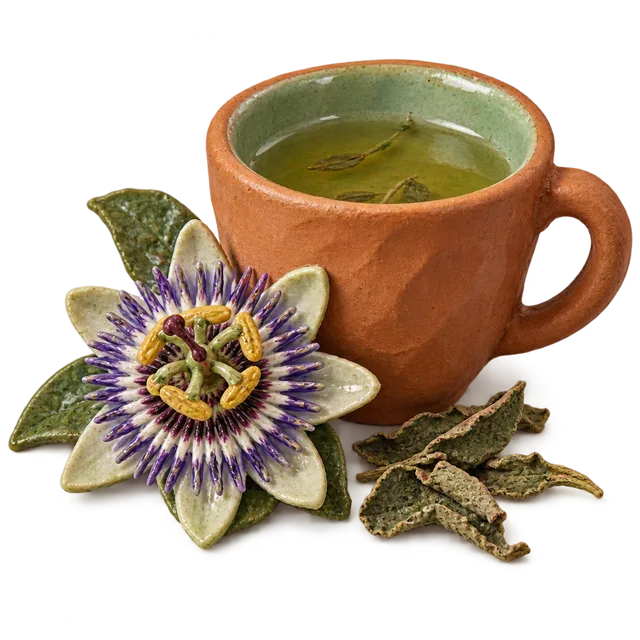
8. Mexico · Mexican markets and pharmacies, where dried pasiflora is sold for 'los nervios' (nerves) and restless nights
Té de pasiflora
Passionflower tea
Traditionally drunk in the evening to calm 'los nervios' and help with sleep. Passionflower, a climbing vine with extraordinary purple flowers, is native to the Americas; the species used in herbal medicine comes from the south-eastern United States. In Mexico, dried pasiflora is sold as a tea for 'los nervios' and restless nights.
TraditionalPassionflower is recognised by the European Medicines Agency for traditional use based on long use, not conclusive trials. NCCIH describes limited sleep research with mixed results for falling and staying asleep, and insufficient evidence for stress. This tea is a cultural wind-down practice, not proven to resolve persistent sleep problems.Recipe, sources and who should skip it →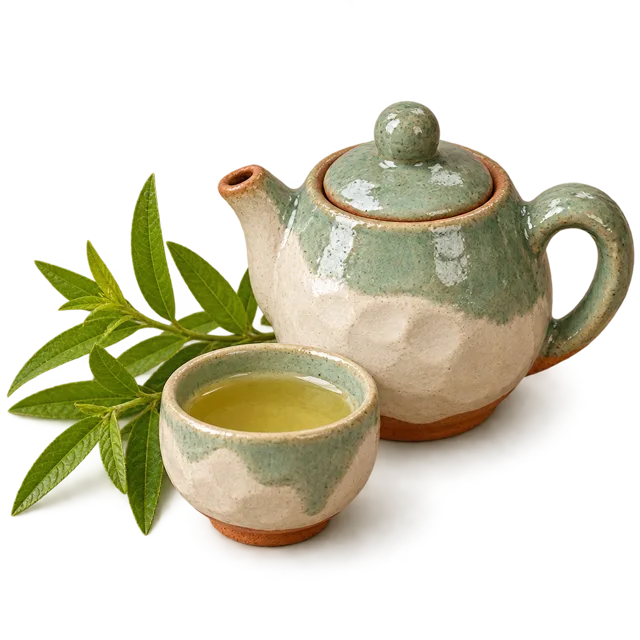
9. Portugal · Portuguese gardens and tea shops, where lemon verbena is sold for an after-dinner chá
Chá de lúcia-lima
Lemon verbena tea
Drunk after dinner as a digestive chá, and traditionally used to help with winding down for sleep. Lúcia-lima, called bela-luísa in the Algarve, is a lemon-scented shrub from South America that has long been grown in Portuguese gardens. Portuguese tea merchants sell the dried leaves as a digestive chá, steeped in hot water after a meal.
TraditionalTraditional use. The EMA recognises lemon verbena leaf as a traditional herbal medicine for mild stress, to aid sleep and for mild bloating and wind, based on long use. This recipe uses the adult amount for sleep from its monograph (1 to 2 g in 200 ml of boiling water, half an hour before bed). In one Iranian trial in 100 people with insomnia, a lemon verbena syrup taken for 4 weeks improved self-rated sleep compared with placebo, but no trial has tested the tea itself.Recipe, sources and who should skip it →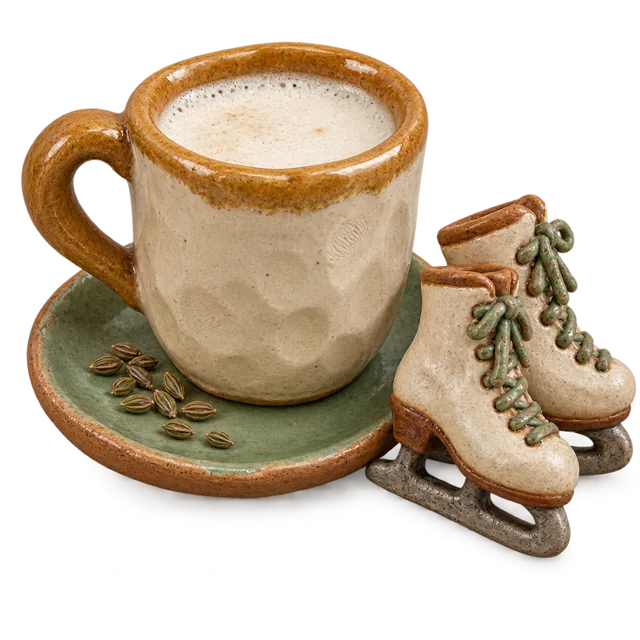
10. Netherlands · Dutch homes on winter evenings, and stalls beside frozen canals and lakes on skating days
Anijsmelk
Warm aniseed milk
Traditionally drunk warm in the evening to wind down for sleep, and to warm up on cold days. Anijsmelk is hot milk flavoured with aniseed and sugar. Dutch families have long made it on winter evenings, and it's sold from stalls on the ice when canals and lakes freeze for skating. For generations people made it with anijsblokjes, aniseed sugar cubes dissolved in hot milk; the cubes are now sold as powder sachets. The drink has a reputation for helping you sleep.
Cultural practiceCultural practice, not studied. No trials have tested aniseed milk for sleep, and there's no good evidence that warm milk itself makes you sleepy. A warm, caffeine-free drink can be part of a regular, relaxing bedtime routine, which the NHS recommends. The EMA's traditional-use aniseed monograph covers bloating and coughs, not sleep.Recipe, sources and who should skip it →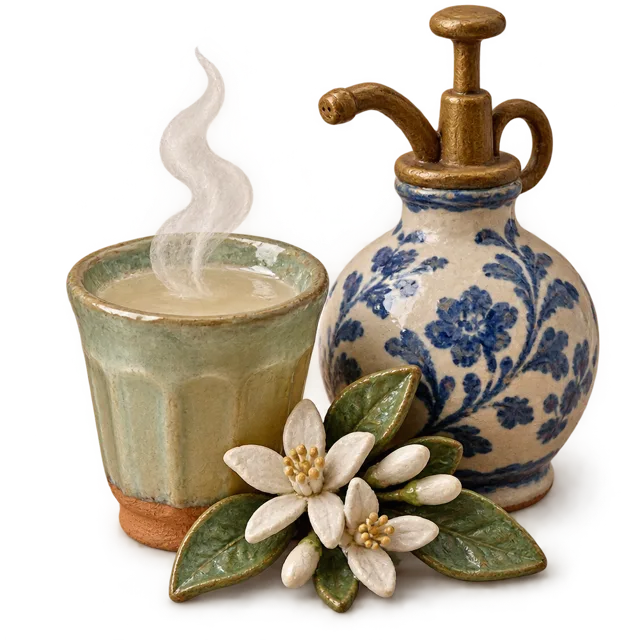
11. Tunisia · Nabeul and Cap Bon in north-east Tunisia, where families distil orange blossom every spring
Ma zhar (ماء الزهر)
Orange blossom water in a warm drink
Used across the Maghreb to perfume pastries, drinks and coffee. Here it's suggested as a fragrant, caffeine-free drink for a bedtime routine, not as a documented traditional sleep remedy. Every spring, families around Nabeul in north-east Tunisia pick bitter-orange blossom and distil it into zhar, orange blossom water. It perfumes pastries and drinks across the Maghreb, and a couple of drops go into coffee. Stirring a spoonful into a warm, caffeine-free drink at bedtime is our modern suggestion for using it, not a documented tradition.
Cultural practiceCultural practice, not studied. No trials have tested orange blossom water for sleep or stress, and the EMA has no monograph for bitter orange flower. A warm, caffeine-free drink can be part of a relaxing bedtime routine, which the NHS recommends, but any calming effect from the flower water itself is unproven.Recipe, sources and who should skip it →
Ingredients to know
Keep exploring
The Remedy Atlas · digital book
How the world heals, honestly rated
Every remedy for better sleep, and 127 in all from 64 cultures, in one beautiful book. Each has its recipe, an honest evidence rating and clear safety flags.