
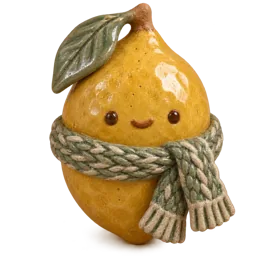
Chinese remedies for a cold
In China, a cold is traditionally met with steamed pear with rock sugar, spring onion and ginger tea, hot cola with ginger and lemon and more. Here are 4 home remedies, how they're made, and an honest rating of the evidence for each.
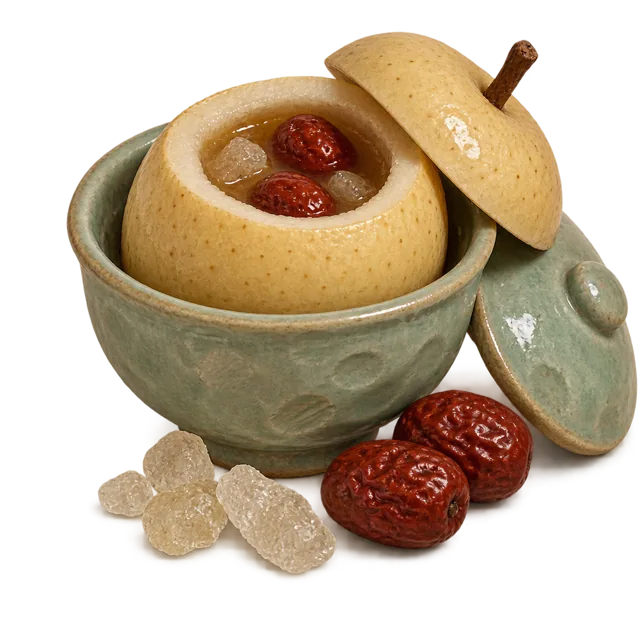
1. Home cooking across China, especially in the dry winter months
Bīngtáng dùn xuělí (冰糖炖雪梨)
Steamed pear with rock sugar
Traditionally eaten to soothe a dry, tickly throat and a dry cough in cold, dry weather.
Cultural practiceSteamed pear hasn't been studied for coughs or sore throats. Warm, soft, sweet food can feel soothing, and the NHS suggests soft foods and warm drinks for a sore throat.Recipe, sources and who should skip it →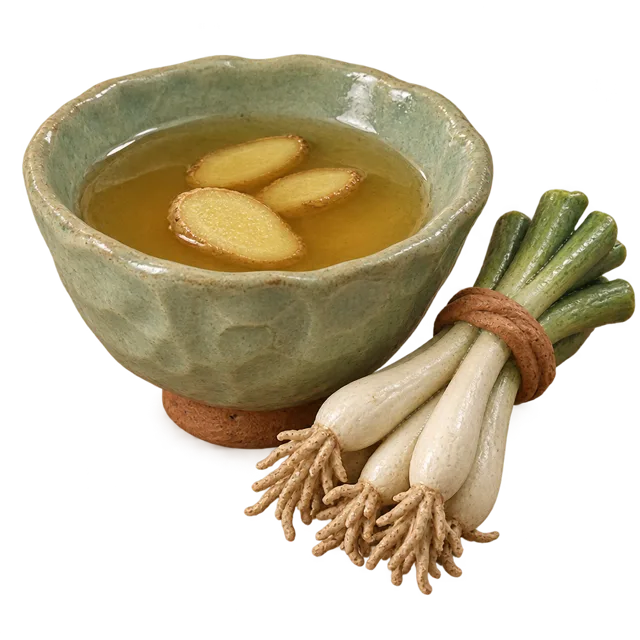
2. Home kitchens across China, made at the first shiver of a cold
Cōngbái shēngjiāng tāng (葱白生姜汤)
Spring onion and ginger tea
Traditionally drunk hot at the very first chills and sniffles of a cold, followed by rest under a warm blanket.
Cultural practiceSpring onion and ginger haven't been shown in good human trials to shorten or ease a cold or flu; reviews of green onion mostly describe lab studies and traditional use. A hot drink and rest fit the NHS self-care advice, so the comfort is real even if the herbs aren't doing the work.Recipe, sources and who should skip it →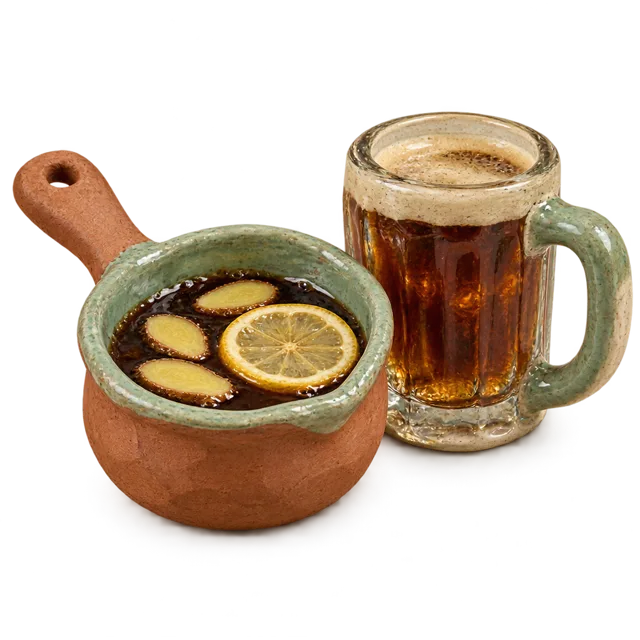
3. Hong Kong cha chaan teng cafés and Cantonese home kitchens
Níngméng kělè bāo jiāng (檸檬可樂煲薑)
Hot cola with ginger and lemon
Traditionally drunk hot at the first signs of a cold or flu, especially in Hong Kong.
Cultural practiceThere's no evidence that hot cola, ginger and lemon stop or shorten a cold or flu, and even fans call the idea an urban legend. It's a warm, sweet drink that gets fluids in, which fits NHS advice; it's also high in sugar and has some caffeine.Recipe, sources and who should skip it →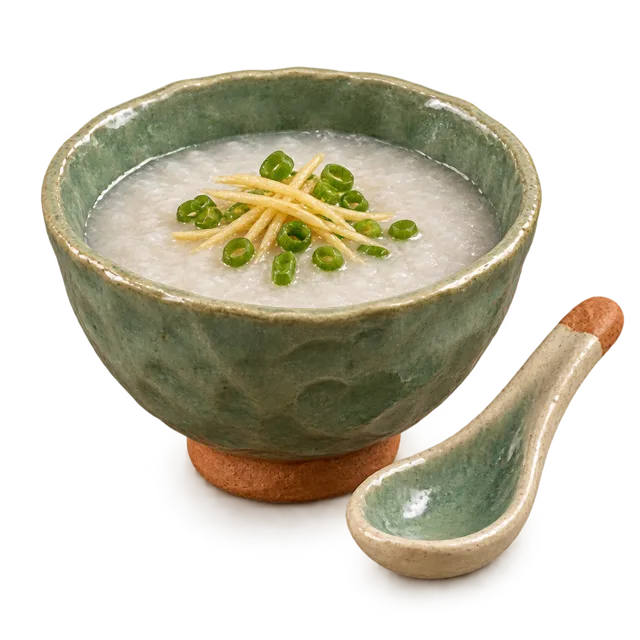
4. Home cooking across China, the classic sick-day bowl
Jiāng cōng zhōu (姜葱粥)
Ginger and spring onion congee
Traditionally made for someone in bed with flu or a heavy cold, when a full meal feels like too much.
Cultural practiceCongee hasn't been studied for flu or colds. It fits the NHS self-care advice for flu: rest, keep warm and drink plenty of fluids. It's easy to eat when your appetite is low.Recipe, sources and who should skip it →
More from Chinese kitchens
When to see a doctor: each remedy lists its own warning signs. See also when to see a doctor instead of a home remedy.
The Remedy Atlas · digital book
How the world heals, honestly rated
Every remedy for a cold, and 127 in all from 64 cultures, in one beautiful book. Each has its recipe, an honest evidence rating and clear safety flags.


