Kitchen traditions · Mexico
Mexican remedies: home teas and kitchen care, honestly rated
Mexican home remedies, known as remedios caseros, are mostly made in the kitchen: a té of manzanilla (chamomile) for an unsettled stomach, cinnamon tea with lime for a cold, a bowl of caldo de pollo, and, historically, a cut leaf of sábila (aloe) on minor burns. We rate each honestly; most are cultural practice with limited research.
In many Mexican homes, the first answer to a stomach ache or a scratchy throat is a té, a simple tea brewed from something already in the cupboard or the garden: manzanilla, hierbabuena (spearmint), a stick of canela with a squeeze of lime. These remedios caseros are passed down by mothers and grandmothers and vary from region to region.
Fresh herbs are part of everyday shopping. Many town markets have stalls selling bundles of manzanilla, hierbabuena and other plants for teas, and researchers at Mexico's national university (UNAM) have documented hundreds of plants used in Mexican home care in their atlas of traditional medicine.
Food is care too. A big pot of caldo de pollo, chicken broth with vegetables, is what many families make for someone who is unwell. Here we focus on these kitchen and garden remedies, not on spiritual or ceremonial practices, and rate each one honestly.
Traditions to know
Herbal teas for everyday complaints
tés caseros
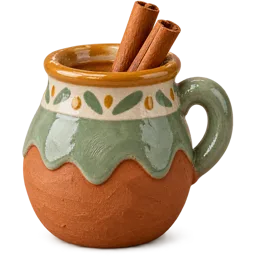
Manzanilla is the classic tea for an upset stomach, and canela (cinnamon) with lime and honey for a cold. They are comforting drinks; research on most of them is limited.
Chicken broth when someone is ill
caldo de pollo
A chunky chicken and vegetable broth, often with rice, lime and tortillas, is a standard home-cooked meal for anyone who is ill or recovering.
A sábila plant on the windowsill
sábila
Many homes keep an aloe plant, and a cut leaf has long been used on minor burns and sun-dried skin. Today's NHS first aid is different: hold a burn under cool running water for 20 minutes, don't put creams or oils on it, and don't burst blisters. Call 999 (UK) or 911 (US) for burns that are very large or deep, or on the face, genitals or bottom, and get advice if you're unsure, especially for a child. If you use aloe on unbroken, sun-dried skin later, patch test first and never use it on broken skin. Research on aloe gel is mixed.
Herb stalls at the market
puestos de hierbas
Market stalls sell fresh and dried herbs by the bundle for home teas. Buying from a trusted seller matters, because dried herbs can be mislabelled.
Mexican remedies by ailment
 Colds
 Sore throat
 Cough
Remedies from Mexico
Té de canela con limón
Cinnamon tea with lime and honey
Cultural practice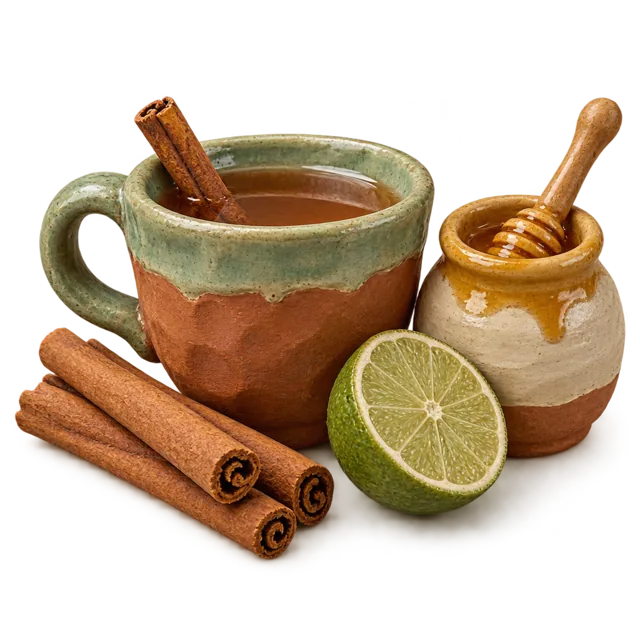
Sábila
Aloe vera gel for sun-exposed skin
Studied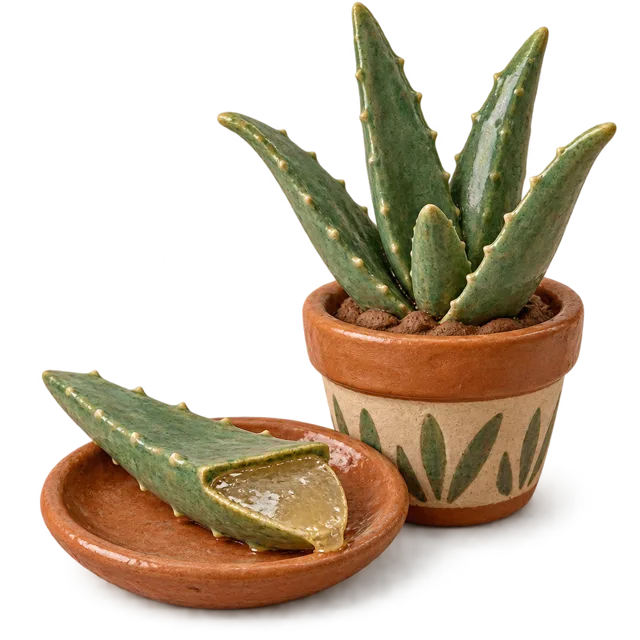
Té de bugambilia
Bougainvillea flower tea
Cultural practice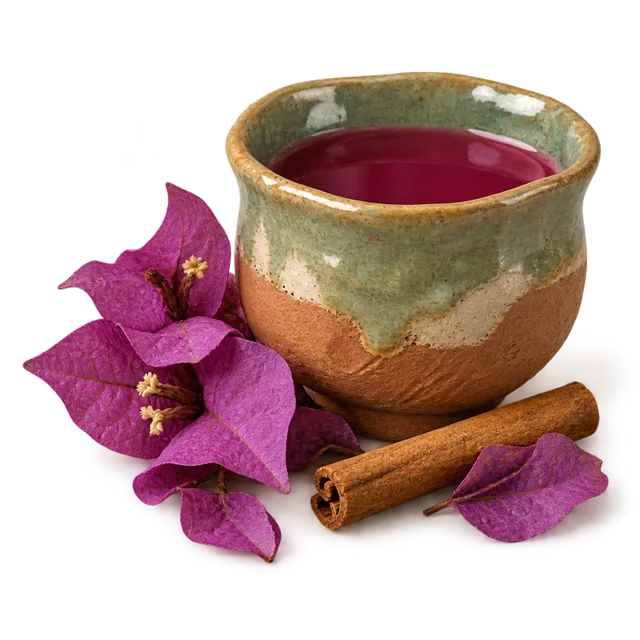
Té de eucalipto
Eucalyptus leaf tea
Traditional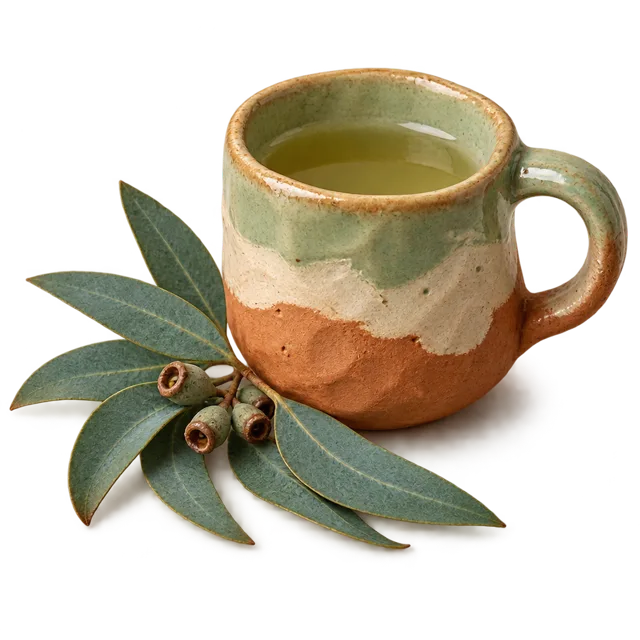
Jarabe de cebolla morada con miel
Red onion and honey syrup
Cultural practice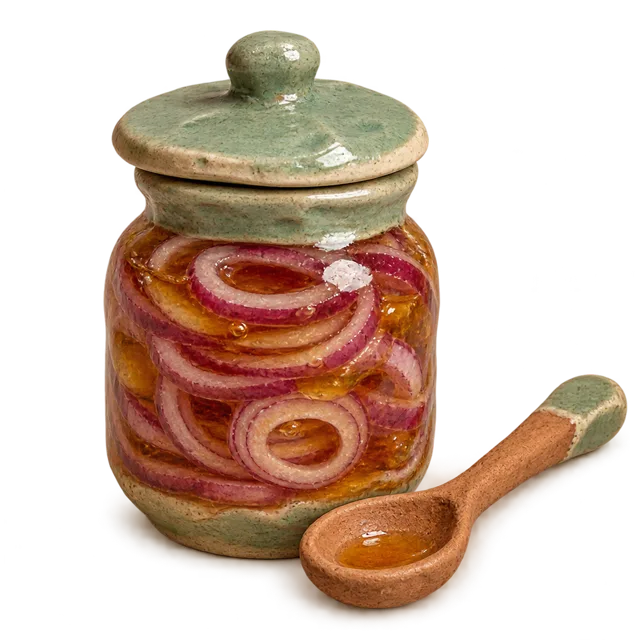
Caldo de pollo
Mexican chicken and vegetable soup
Cultural practice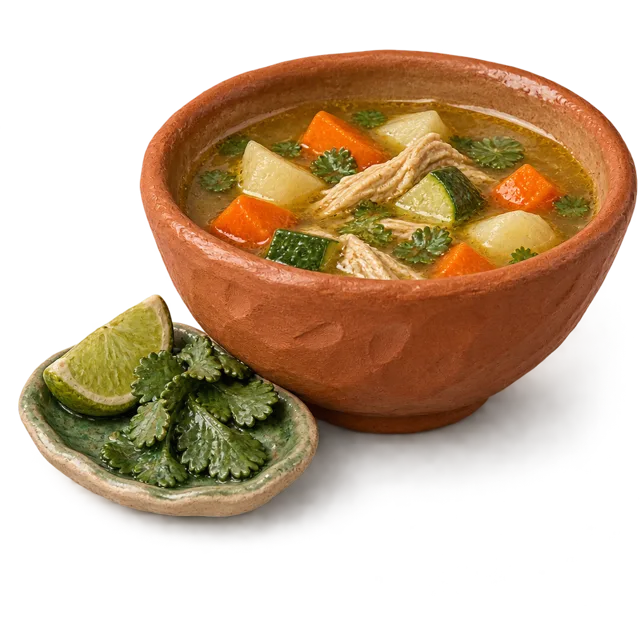
Té de pasiflora
Passionflower tea
Traditional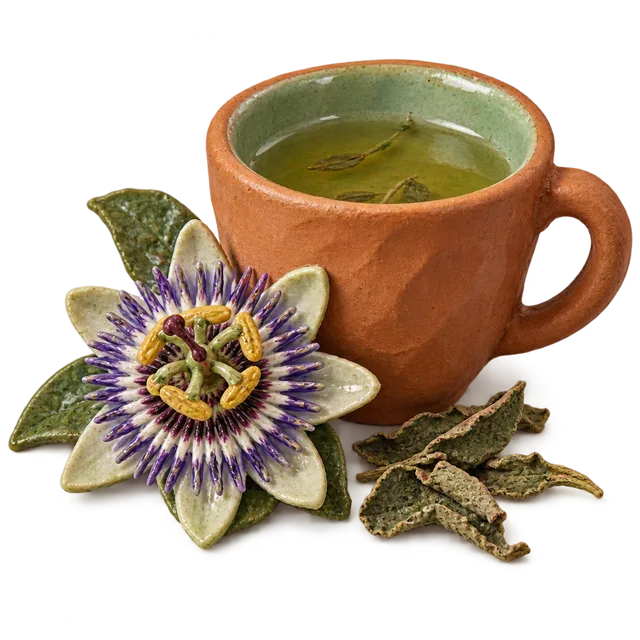
Rodajas de papa en la frente
Potato slices on the forehead
Cultural practice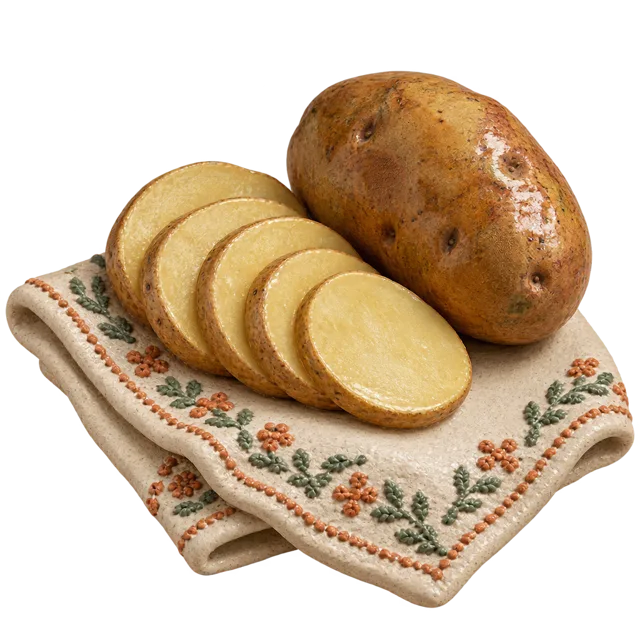
Ingredients in Mexican kitchens
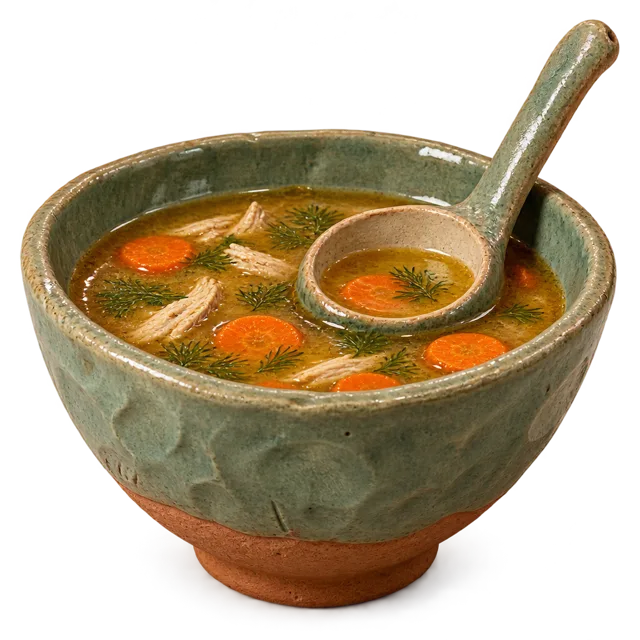 Chicken soup
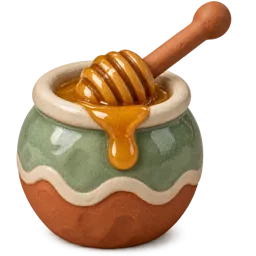
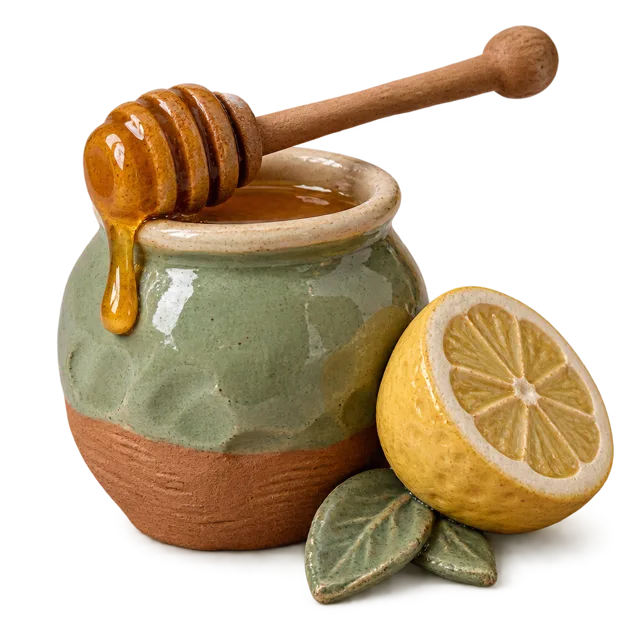 Honey
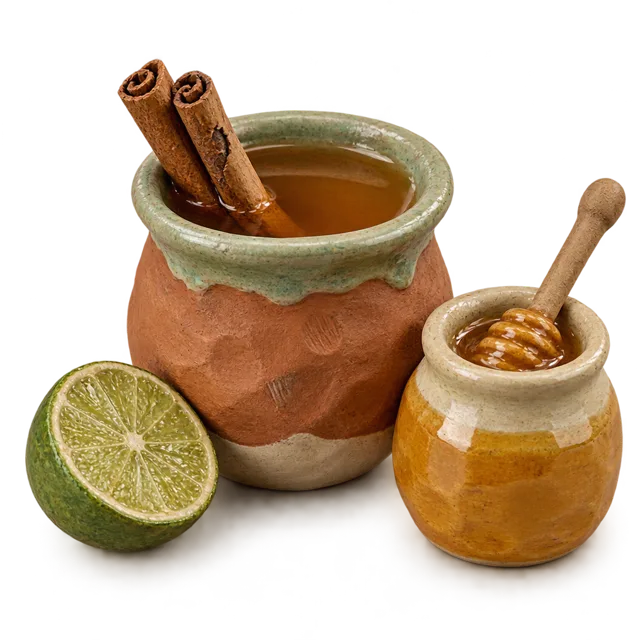 Té de canela
Questions people ask
What is traditional Mexican medicine?
Traditional Mexican medicine blends Indigenous plant knowledge with Spanish and later influences, and includes both home remedies and practices led by traditional healers. Our pages cover only the kitchen and garden remedies, the remedios caseros families make at home.
What are the most common Mexican home remedies for a cold?
Té de canela con limón (cinnamon tea with lime and honey) and caldo de pollo are among the most common. Warm drinks and soup can feel soothing, but no food has been shown to shorten a cold. Never give honey to a baby under 1.
Are Mexican herbal remedies safe?
Teas like manzanilla are generally considered safe in food amounts, but chamomile can cause allergic reactions in people sensitive to ragweed or daisies. NCCIH notes chamomile may interact with the blood thinner warfarin and could add to the effect of sedatives, so check with a pharmacist if you take either, whatever form you use.
Sources
- Atlas de las Plantas de la Medicina Tradicional Mexicana (Biblioteca Digital de la Medicina Tradicional Mexicana (UNAM))
- Manzanilla (Atlas de las Plantas de la Medicina Tradicional Mexicana (UNAM))
- Chamomile (NCCIH)
- Caldo de pollo (Wikipedia)
- Aloe Vera (NCCIH)
- Burns and scalds (NHS)
- How to test skin care products (American Academy of Dermatology)
By the Remedies by Culture editorial team · Last checked 1 October 2026 · Not medical advice, and not medically reviewed. How we work
The Remedy Atlas · digital book
How the world heals, honestly rated
127 remedies from 64 cultures, in one beautiful book. Each has its recipe, an honest evidence rating and clear safety flags.