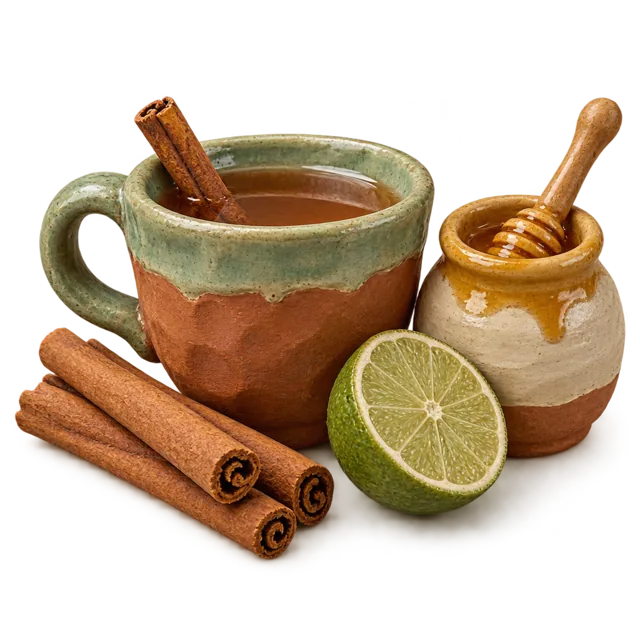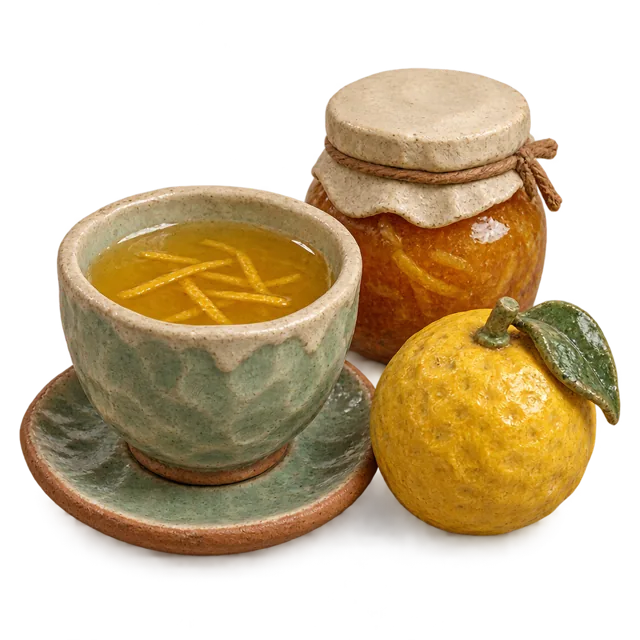
An old English saying, common across the UK, Ireland, the US and beyond · Food · 0 min
Feed a cold, starve a fever
The belief that you should eat more with a cold and fast with a fever
Widely believed that eating helps you fight off a cold, while fasting helps bring down a fever. There's no good evidence that eating more helps a cold or that fasting helps a fever. NHS self-care advice for both is the same: rest and drink plenty of fluids. Adults can take paracetamol or ibuprofen if needed, following the label; ask a pharmacist first if you're pregnant, have a health condition or take other medicines, and use children's versions at the right dose for children.
Where it comes from
Versions of this idea go back centuries, to a time when fever itself was thought to be the illness, and starving the patient was meant to starve the disease. Many families still quote it, even if they're not sure which way round it goes.
You'll need
- whatever you feel like eatingsmall amounts
- water and other drinksplenty
How it's made
- 1What people do: eat extra with a cold, and skip meals with a fever.
- 2What the evidence suggests instead: with either one, rest, drink plenty of fluids so your pee is pale, and eat when and what you feel like.
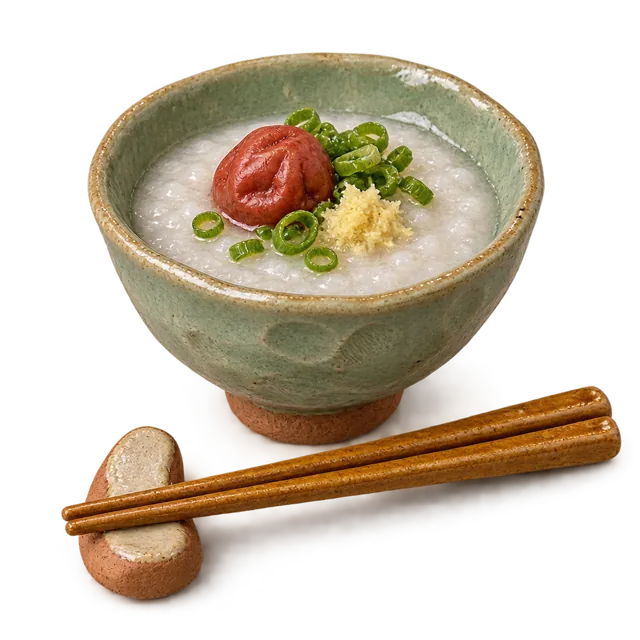
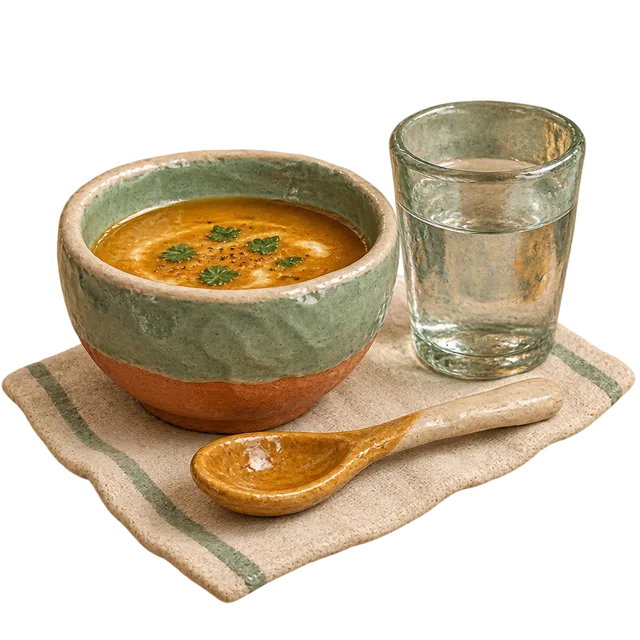
- 3Small, easy meals such as soup, toast or porridge are fine if your appetite is low.
What the evidence says
There's no good evidence that eating more helps a cold or that fasting helps a fever. NHS self-care advice for both is the same: rest and drink plenty of fluids. Adults can take paracetamol or ibuprofen if needed, following the label; ask a pharmacist first if you're pregnant, have a health condition or take other medicines, and use children's versions at the right dose for children.
Popular, but studies show it doesn't do what people think.
Who should skip it
- 🤰 Fine in normal food amounts in pregnancy
- 🧒 Fine for children in normal food amounts
- Cold symptoms that get worse, or don't improve after 10 days
- A high temperature for more than 3 days, a very high temperature, or you feel hot, cold or shivery
- Call 999 (UK) or 911 (US) if you have sudden chest pain, severe difficulty breathing (gasping, choking or unable to get words out), are coughing up blood, or become confused or very hard to wake
- Get urgent same-day advice (NHS 111 or your doctor) if you feel short of breath or very unwell, or flu symptoms don't improve after 7 days
- Get urgent advice for flu symptoms if you're 65 or over, pregnant, or have a long-term condition or a weakened immune system
- Signs of dehydration, such as dizziness, a dry mouth or passing little dark urine
Sources
- Feed a cold, starve a fever (Wikipedia)
- Common cold (NHS)
- Flu (NHS)
- High temperature (fever) in adults (NHS)
- Cough (NHS)
By the Remedies by Culture editorial team · Last checked 2 October 2026 · Not medical advice, and not medically reviewed.