Field guide
How 13 countries get through flu season
Rest and fluids do most of the work. These are the comforting traditions families reach for alongside them, honestly rated.
| Country | Remedy | Rating |
|---|---|---|
| Eastern Europe and the Jewish diaspora | Chicken soup | Cultural practice |
| Philippines | Filipino ginger chicken rice porridge | Cultural practice |
| China | Spring onion and ginger tea | Cultural practice |
| Mexico | Mexican chicken and vegetable soup | Cultural practice |
| Jamaica | Ginger, garlic and lime tea | Cultural practice |
| Haiti | Lemongrass leaf tea | Cultural practice |
| Nigeria | Spiced pepper soup | Cultural practice |
| Sri Lanka | Coriander seed tea | Cultural practice |
| Puerto Rico | Chicken and rice stew | Cultural practice |
| Turkey | Boiled mint and lemon tea | Cultural practice |
| Portugal | Chicken and rice (or pasta) broth | Cultural practice |
| Malaysia | Chicken soup with lemongrass and ginger | Cultural practice |
| Zimbabwe | Fever tea (Lippia javanica) | Cultural practice |
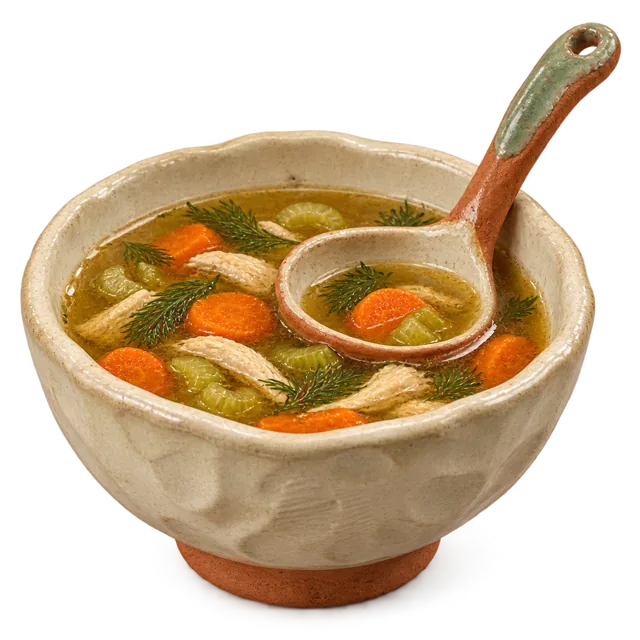
1. Eastern Europe and the Jewish diaspora · Ashkenazi Jewish kitchens, from Poland and Russia to New York and London
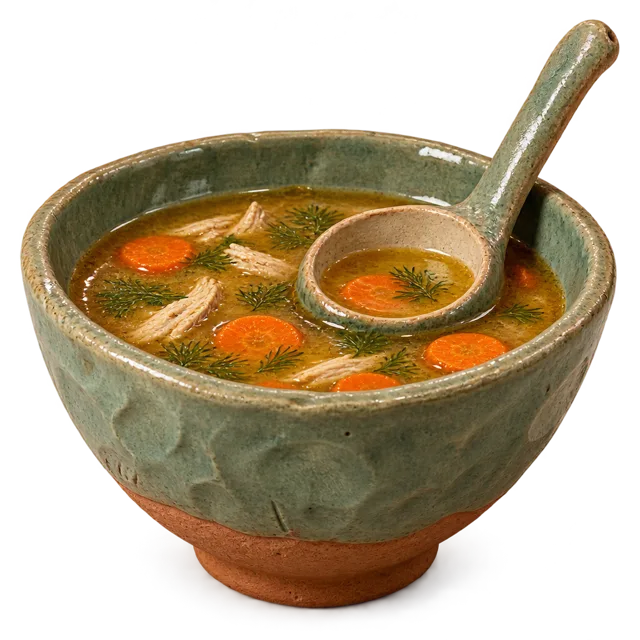
Goldene yoich (chicken soup)
Chicken soup
Traditionally served to anyone with a cold, so much so that it's nicknamed 'Jewish penicillin'. A pot of golden chicken soup is the classic Ashkenazi answer to feeling unwell, and the nickname 'Jewish penicillin' is said with affection. Recipes are passed down through families, each with its own view on parsnip and dill.
Cultural practiceA 2000 lab study found chicken soup affected white blood cells in a dish, and a small 1978 study found hot drinks, including chicken soup, briefly helped mucus move. Neither shows it shortens a cold; it's a warm, nourishing food that helps you eat and drink when unwell.Recipe, sources and who should skip it →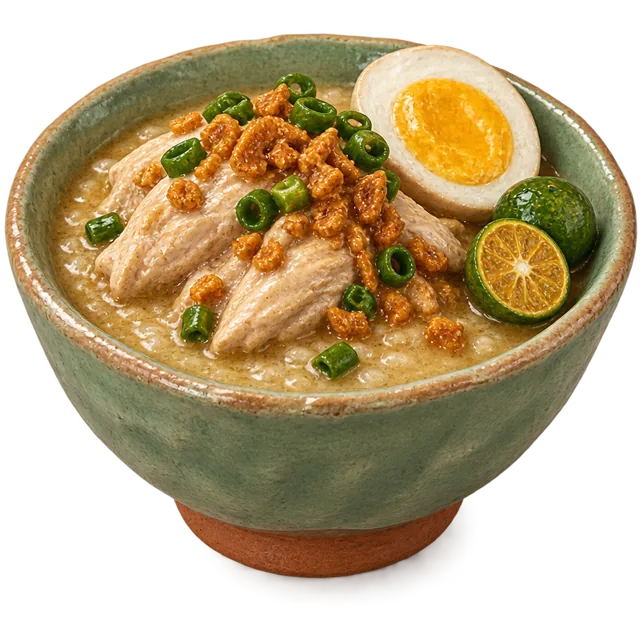
2. Philippines · Home cooking across the Philippines, eaten in the rainy season and when someone is sick
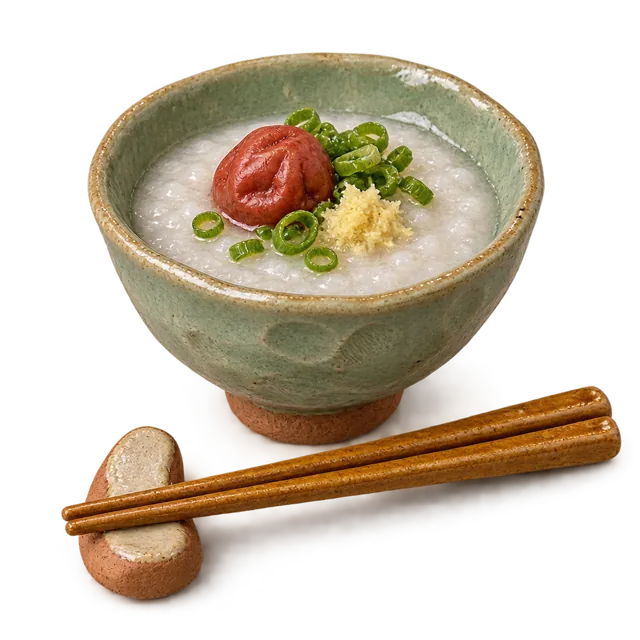
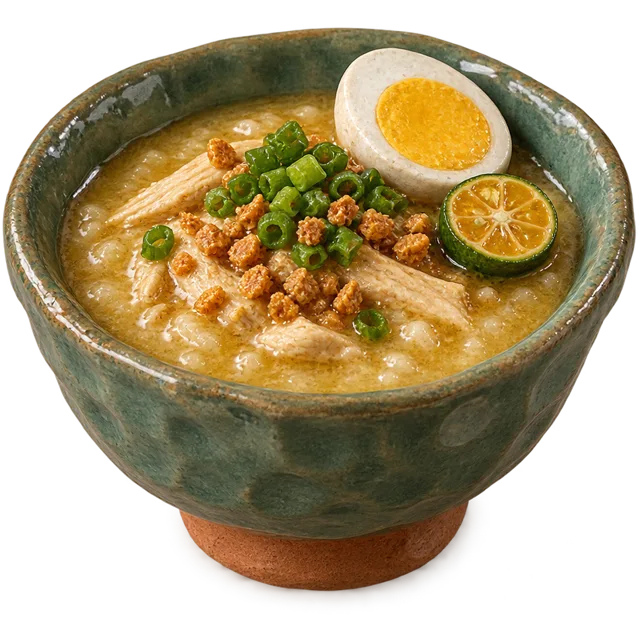
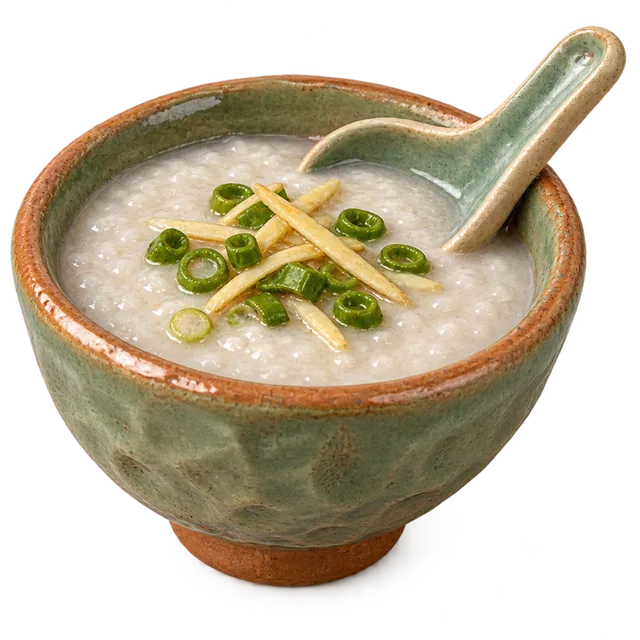
Arroz caldo
Filipino ginger chicken rice porridge
Traditionally cooked for someone with flu or a cold as warm, easy-to-eat comfort food. Arroz caldo is rice porridge with Chinese roots and a Spanish name, cooked in Filipino homes on rainy days and for anyone in bed with flu. The ginger is what gives it its warming character.
Cultural practiceArroz caldo hasn't been studied for flu. It fits the NHS self-care advice for flu: rest, keep warm and drink plenty of fluids. It's easy to eat when your appetite is low.Recipe, sources and who should skip it →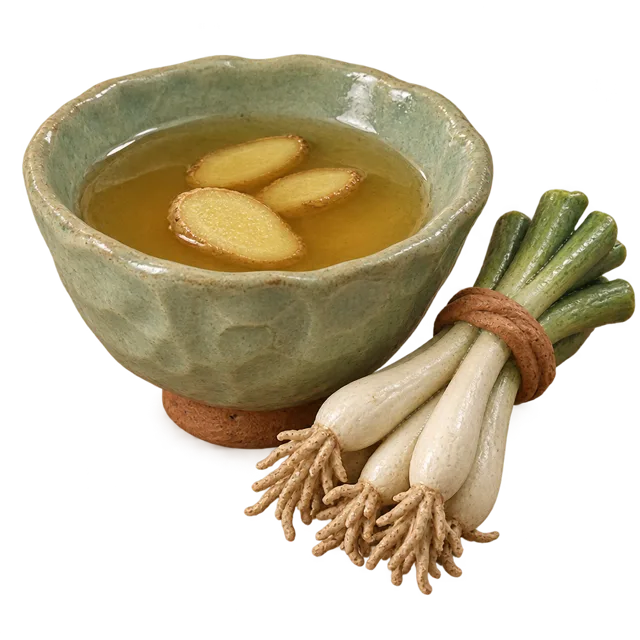
3. China · Home kitchens across China, made at the first shiver of a cold
Cōngbái shēngjiāng tāng (葱白生姜汤)
Spring onion and ginger tea
Traditionally drunk hot at the very first chills and sniffles of a cold, followed by rest under a warm blanket. In Chinese home care, a cold that starts with chills and a runny nose is often described as 'wind-cold', and pungent, warming foods are the first thing families reach for. A quick pot of spring onion whites and ginger, drunk hot before bed, is one of the simplest and most widely known versions.
Cultural practiceSpring onion and ginger haven't been shown in good human trials to shorten or ease a cold or flu; reviews of green onion mostly describe lab studies and traditional use. A hot drink and rest fit the NHS self-care advice, so the comfort is real even if the herbs aren't doing the work.Recipe, sources and who should skip it →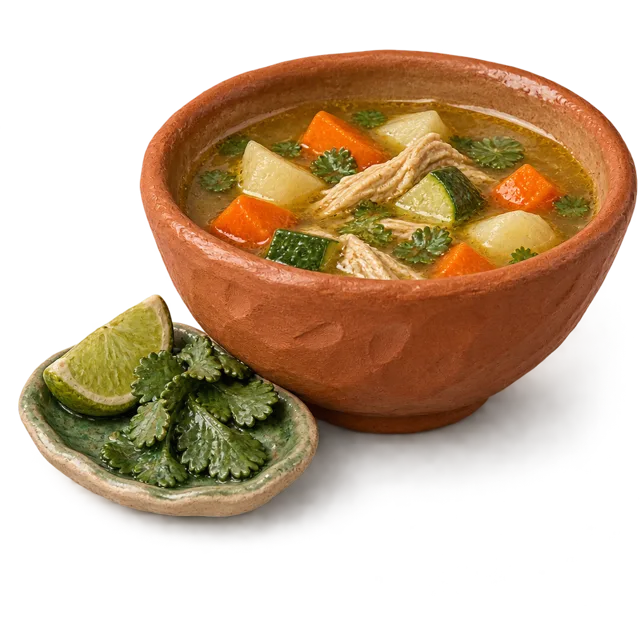
4. Mexico · Home kitchens across Mexico
Caldo de pollo
Mexican chicken and vegetable soup
Traditionally served to anyone in the house with a cold or flu, piping hot with lime. In Mexico, caldo de pollo is the soup that appears when someone is ill: a big pot of chicken and chunky vegetables in clear broth, finished at the table with lime, coriander and, for those who can face it, a little chile.
Cultural practiceOne small lab study found chicken soup changed how white blood cells moved in a dish, which doesn't show it helps people recover faster. Hot soup gives fluids and food when appetite is low, in line with NHS advice to rest and drink plenty.Recipe, sources and who should skip it →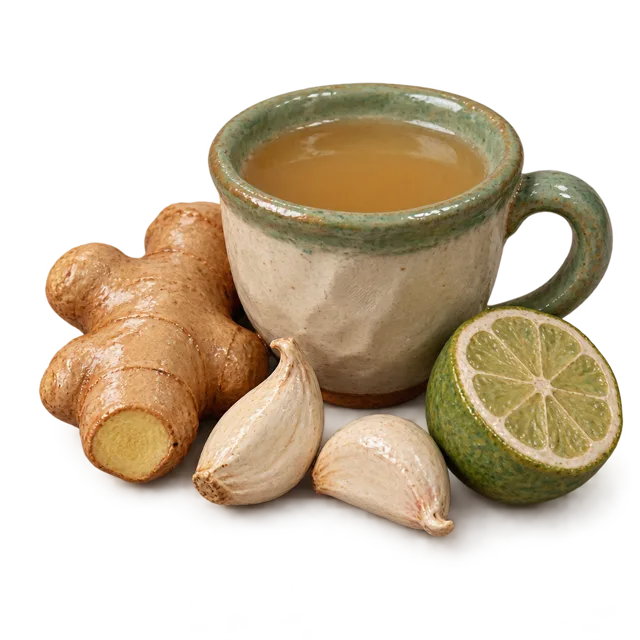
5. Jamaica · Jamaican family kitchens, usually a grandmother's recipe
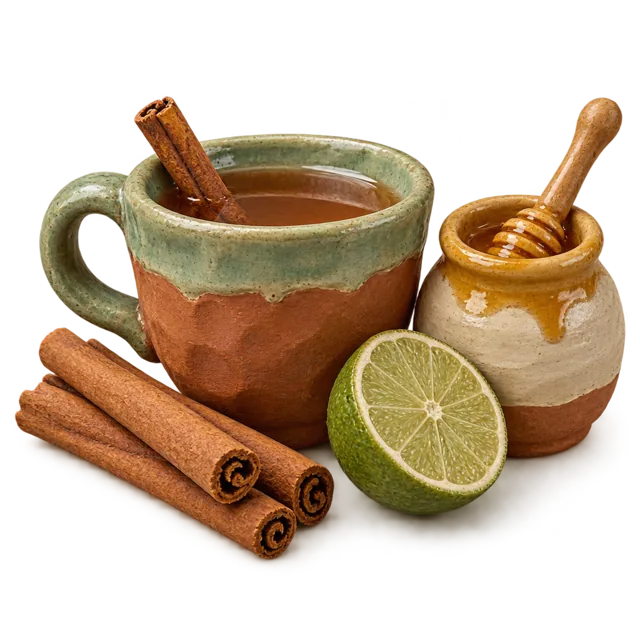
Ginger, garlic an' lime tea
Ginger, garlic and lime tea
Traditionally brewed by Jamaican grandmothers at the first sign of a cold or flu. Next to bush teas, this sharp, spicy brew is the cold-and-flu recipe many Jamaicans remember from their grandmothers. A large national survey found that most Jamaicans learn their home remedies from grandmothers and mothers. Some adults add a splash of white rum; that version is for adults only, and we leave it out.
Cultural practiceA Cochrane review found too little good evidence to say garlic prevents or eases colds, and ginger hasn't been shown to help colds either. The honey may soothe a tickly throat a little, and a hot drink fits NHS self-care advice.Recipe, sources and who should skip it →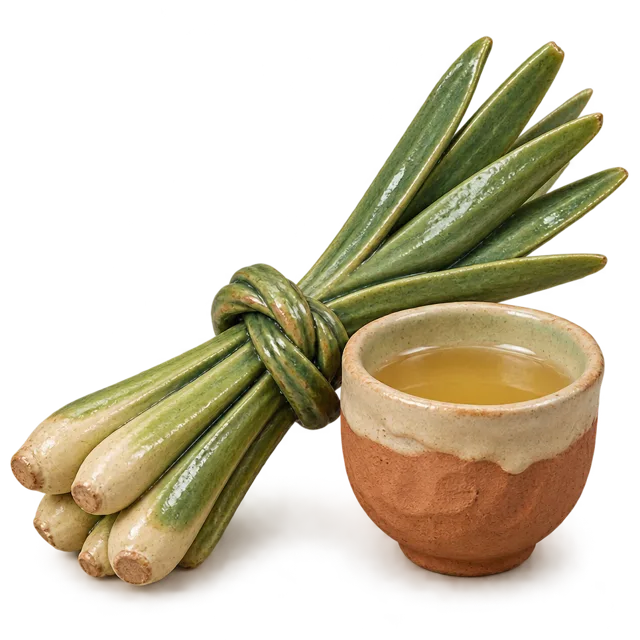
6. Haiti · Grown in yards and gardens across Haiti
Te sitwonèl
Lemongrass leaf tea
Traditionally brewed as a hot leaf tea when someone in the family has a cold or flu. Sitwonèl grows in many Haitian yards, and a pot of its leaves is one of the first teas made when someone falls ill. In a 2024 survey of traditional plant use in Haiti, people named lemongrass leaves and roots as a brew for flu, colds and fever.
Cultural practiceLemongrass tea hasn't been shown to help colds or flu, or to bring a temperature down. It's a pleasant warm drink; for flu, follow NHS self-care advice and speak to a pharmacist about a high temperature.Recipe, sources and who should skip it →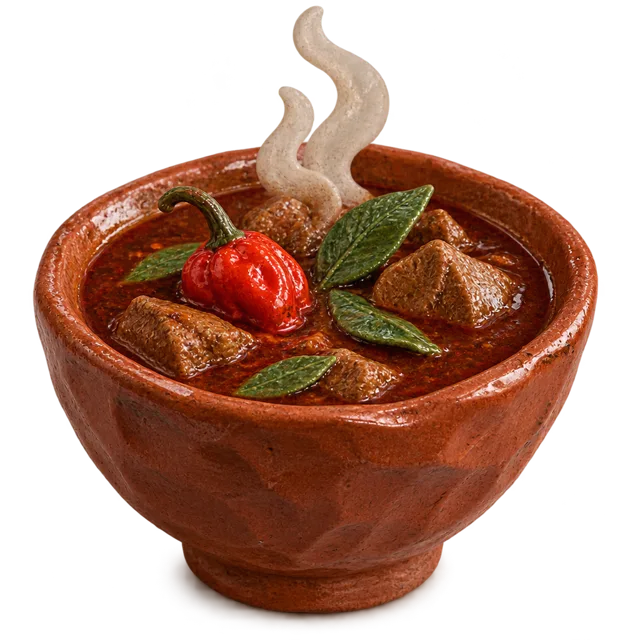
7. Nigeria · Kitchens and 'pepper soup joints' across Nigeria, made hot and peppery when someone feels run down
Pepper soup
Spiced pepper soup
Traditionally eaten hot when someone has a cold, feels feverish and achy, or is just worn out, to warm up and 'open the nose'. Pepper soup is a light, fiery broth found all over Nigeria, from family pots to roadside 'pepper soup joints'. The spice mix often includes calabash nutmeg (ehuru), and scent leaf (African basil) is the classic finishing herb. Many Nigerians say a steaming bowl is the first thing they want when a cold or the rainy-season chills arrive.
Cultural practiceCultural practice, not studied. No trials have tested pepper soup for colds or flu. A hot, salty broth is a comforting way to get fluids and food in when you're unwell, which fits NHS self-care advice to rest and drink plenty, but the spices aren't shown to shorten an illness.Recipe, sources and who should skip it →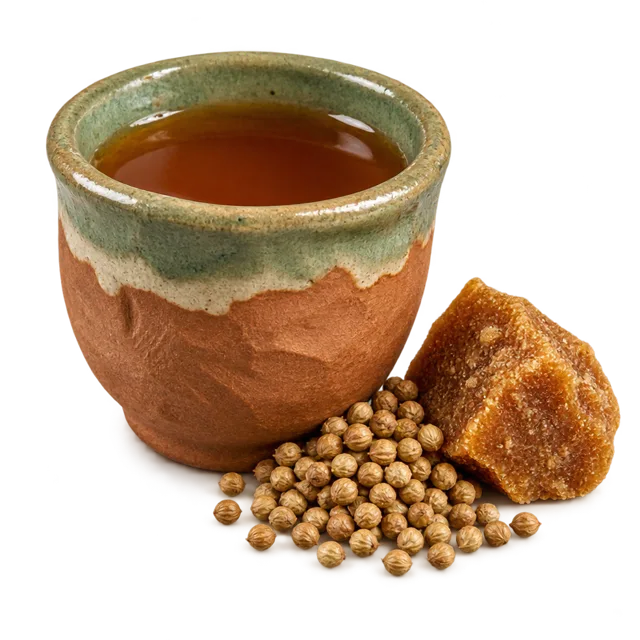
8. Sri Lanka · Sri Lankan homes, where it is a well-known drink at the start of a cold
Koththamalli (කොත්තමල්ලි)
Coriander seed tea
Traditionally drunk warm at the first sign of a cold, a sore body or a 'feverish' feeling. Koththamalli, a tea of coriander seeds and ginger, is a well-known Sri Lankan home remedy for the common cold, made by Sinhala and Tamil families alike. Some families add peppercorns, or have it with a piece of jaggery.
Cultural practiceCultural practice, not studied: no human trials have tested coriander tea for colds. A hot drink and rest fit NHS self-care advice for colds and flu, so it can be a comforting part of looking after yourself.Recipe, sources and who should skip it →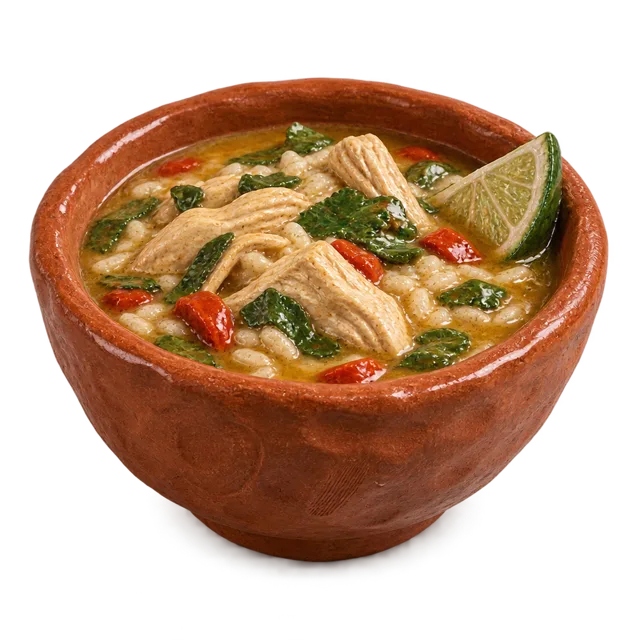
9. Puerto Rico · Puerto Rican homes, where many families make it for someone who's sick or cold
Asopao de pollo
Chicken and rice stew
Traditionally made for anyone with a cold, flu or a rainy-day chill, as a warm and easy meal. Asopao is often called Puerto Rico's national soup: a soupy rice stew, halfway between gumbo and congee, flavoured with sofrito. In many Puerto Rican families, asopao de pollo made by a mother or grandmother is the dish for someone who's sick.
Cultural practiceCultural practice, not studied: asopao itself hasn't been tested. Hot soup is a gentle way to get fluids and food in, which fits NHS self-care advice for colds and flu, but there's no good evidence that it shortens illness.Recipe, sources and who should skip it →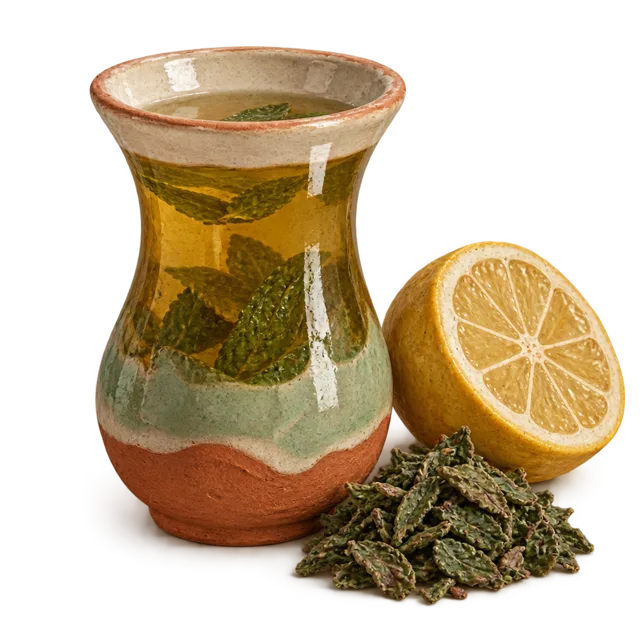
10. Turkey · Turkish homes, where a pot of nane limon goes on the stove in winter when someone has a cold
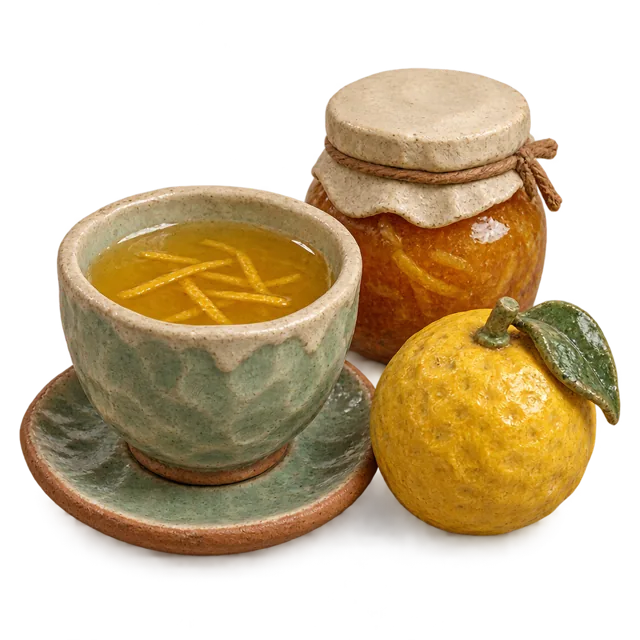
Nane limon
Boiled mint and lemon tea
Traditionally sipped hot in winter for colds and flu, and often for an upset stomach too. Nane limon (mint-lemon) is one of Turkey's best-loved home remedies: dried mint and chopped lemon boiled together in a small pot and strained into a glass. Hürriyet, one of Turkey's biggest newspapers, calls it a drink people turn to often in winter against flu and colds, with honey or a slice of ginger as popular extras.
Cultural practiceCultural practice, not studied: mint and lemon tea hasn't been tested for colds or flu. The dried mint used in Turkish kitchens isn't necessarily peppermint, and the trials of peppermint oil capsules (for IBS) don't tell us anything about a mint-leaf tea for colds. NCCIH says peppermint tea appears to be safe, though the long-term safety of large amounts is unknown. A warm drink fits NHS self-care advice for colds and sore throats, but there's no good evidence that this one shortens a cold.Recipe, sources and who should skip it →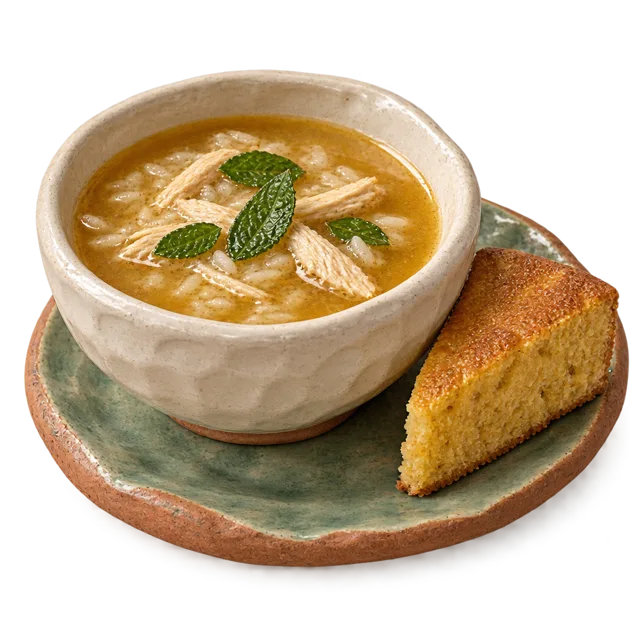
11. Portugal · Homes all over Portugal, where canja is the first thing made for someone who's ill
Canja de galinha
Chicken and rice (or pasta) broth
Traditionally made for anyone in the family with a cold, flu or an upset stomach, as a light, easy meal. Canja de galinha is a light chicken broth with rice or tiny pasta, eaten in Portugal, Brazil and Cape Verde, where it's widely believed to help someone get over a cold or other mild illness. Figueira da Foz even has a version called canja a doentes, 'canja for the sick', said to have been served to the future Duke of Wellington during the fight against Napoleon.
Cultural practiceCultural practice, not studied: canja itself hasn't been tested. A small 1978 study found hot chicken soup briefly helped nasal mucus move, and a 2000 lab study found chicken soup slowed the movement of white blood cells (neutrophils) in a dish, but neither shows it shortens a cold. It's a gentle way to get fluids and food in, which fits NHS self-care advice for colds and flu (rest and plenty of fluids).Recipe, sources and who should skip it →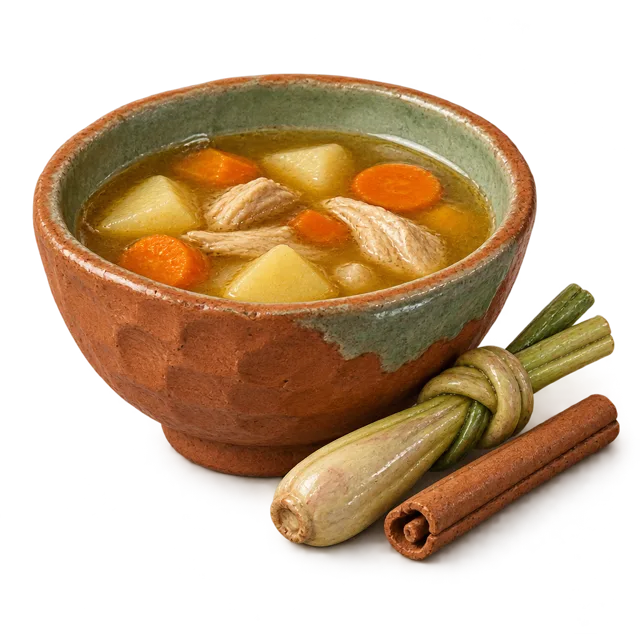
12. Malaysia · Malaysian homes, where many families make chicken soup for someone with a fever, cold or cough
Sup ayam serai
Chicken soup with lemongrass and ginger
Traditionally cooked for someone with a fever, cold or cough, as a warm, light meal when they don't feel like eating much. Malaysian sup ayam is a clear, spiced chicken soup, often flavoured with a little cloth bag of whole spices called a sup bunjut. Malaysian food writers describe it as the dish families have long made for someone down with a fever, cold or cough, and many cooks add lemongrass (serai) or ginger for their fragrance.
Cultural practiceCultural practice, not studied: sup ayam itself hasn't been tested. Hot soup is a gentle way to get fluids and food in, which fits NHS self-care advice for colds and flu (rest and plenty of fluids), but there's no good evidence that chicken soup shortens a cold or flu.Recipe, sources and who should skip it →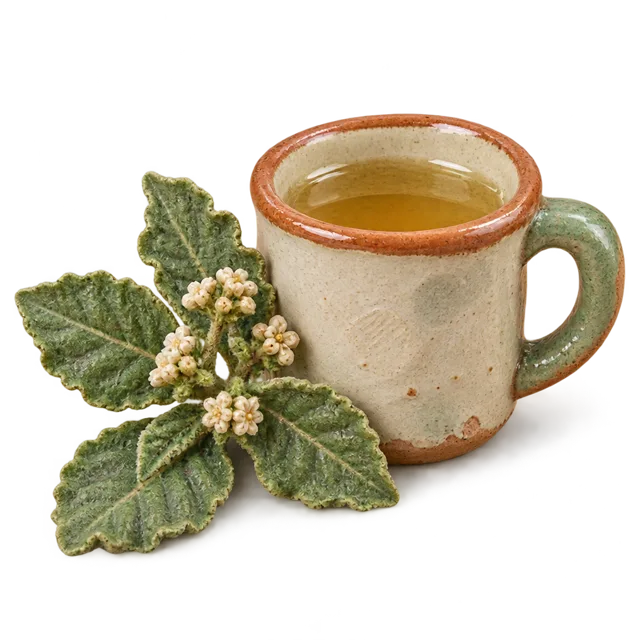
13. Zimbabwe · Across Zimbabwe, where the shrub grows wild and many households keep the dried leaves for tea
Zumbani (umsuzwane)
Fever tea (Lippia javanica)
Traditionally drunk as a lemony herbal tea for colds, coughs and flu-like illness. Zumbani, called umsuzwane in Ndebele and 'fever tea' in English, is a woody shrub with a strong citrus-like scent that grows across southern and eastern Africa. In Zimbabwe its dried leaves have long been made into a tea for coughs and colds. During the COVID-19 pandemic demand soared as it was promoted as a remedy for the virus; Zimbabwean doctors stressed that there was no scientific evidence for that use.
Cultural practiceCultural practice, not studied: zumbani tea hasn't been tested in people for colds or flu, and its safety in people hasn't been established. A 2017 review of the plant lists colds and coughs as its most common traditional uses, but the research it covers is lab and animal work, and it calls for proper studies of both safety and benefit. Claims made during the pandemic that it worked against COVID-19 were not backed by evidence.Recipe, sources and who should skip it →
Ingredients to know
Explore by culture
The Remedy Atlas · digital book
How the world heals, honestly rated
Every remedy for flu season, and 127 in all from 64 cultures, in one beautiful book. Each has its recipe, an honest evidence rating and clear safety flags.