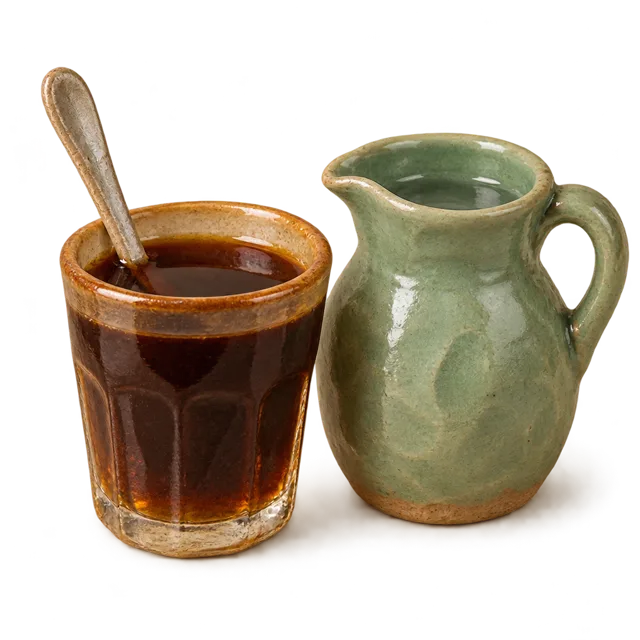
British homes, where a glass of cola left to go flat has long been offered during a stomach bug · Drink · 1 min
Flat cola for a tummy bug
The belief that flat cola settles a stomach bug
Widely believed to 'settle the stomach' and replace lost sugar during a tummy bug. Myth-busted. Cola is high in sugar and very low in salt, which is the opposite balance to oral rehydration solution, and losing the bubbles doesn't change that. The NHS advises against fizzy drinks and fruit juice during diarrhoea because they can make it worse, and NICE guidance for young children says to discourage them too. Water, squash in small sips, or rehydration solution are the recommended drinks.
Where it comes from
Generations of British children have been given a glass of flat Coke or lemonade when they were being sick, often stirred with a spoon to knock the bubbles out. The habit is so widespread that it's sometimes passed on as if it were medical advice.
You'll need
- water, or oral rehydration solution from a pharmacysmall, frequent sips
How it's made
- 1What people do: stir or leave cola or lemonade until it goes flat, and sip it during sickness and diarrhoea.
- 2What the evidence suggests instead: the NHS says not to have fruit juice or fizzy drinks during diarrhoea, because they can make it worse. Sip water little and often. If you're at risk of dehydration (for example, you're older or have another health condition), ask a pharmacist about oral rehydration solution.
- 3For nausea without diarrhoea, the NHS suggests fresh air, regular sips of a cold drink, and ginger or peppermint tea.
- 4For children with diarrhoea and vomiting, follow NHS advice: keep giving breast or formula milk to babies, and ask a pharmacist or call 111 if you're worried.
What the evidence says
Myth-busted. Cola is high in sugar and very low in salt, which is the opposite balance to oral rehydration solution, and losing the bubbles doesn't change that. The NHS advises against fizzy drinks and fruit juice during diarrhoea because they can make it worse, and NICE guidance for young children says to discourage them too. Water, squash in small sips, or rehydration solution are the recommended drinks.
Popular, but studies show it doesn't do what people think.
Who should skip it
- 🤰 Fine in normal food amounts in pregnancy
- 🧒 Fine for children in normal food amounts
- 💊 Cola contains caffeine and lots of sugar
- 💊 Babies and young children get dehydrated more quickly: get advice early
- Call 999 (UK) or 911 (US), or go to A&E/the ER, now if you vomit blood or vomit that looks like ground coffee, have green vomit, a sudden severe tummy ache or headache, a stiff neck with pain from bright lights, severe difficulty breathing, or are confused or very hard to wake
- Call NHS 111 (in the US, see a doctor promptly) if you keep being sick and can't keep fluids down, have bloody diarrhoea or bleeding from your bottom, diarrhoea for more than 7 days or vomiting for more than 2 days, or still have signs of dehydration (dark pee, peeing less, dizziness) after oral rehydration
- Call NHS 111 (in the US, call your doctor) if you're worried about a baby under 12 months, a child stops feeding, or a child under 5 has signs of dehydration such as fewer wet nappies
- Call 999 (UK) or 911 (US) now if you suddenly feel sick and have chest pain that feels tight or heavy, pain spreading to your arms, back, neck or jaw, or shortness of breath: it could be a heart attack
Sources
- Diarrhoea and vomiting (NHS)
- Feeling sick (nausea) (NHS)
- Dehydration (NHS)
- Diarrhoea and vomiting caused by gastroenteritis in under 5s (CG84): recommendations (NICE)
- Cola drinks and rehydration in acute diarrhea (letter, 1986) (PubMed)
- Fizzy drinks for gastroenteritis a myth (Nursing Times)
By the Remedies by Culture editorial team · Last checked 2 October 2026 · Not medical advice, and not medically reviewed.