Bulgaria, Serbia and the wider Balkans, where rakia (fruit brandy) doubles as a household remedy · On the skin · 0 min
Razhtrivka s rakiya (разтривка с ракия)
The belief that a rakia rub brings down a fever
Widely believed to 'pull out' a fever and cool the body quickly. MedlinePlus advises against alcohol rubs for fever: they cool the skin but can cause shivering, which raises core body temperature. A case report describes poisoning after a rub with rubbing alcohol (isopropanol); that's a different alcohol from rakia, but it shows alcohol on the skin can be absorbed.
Where it comes from
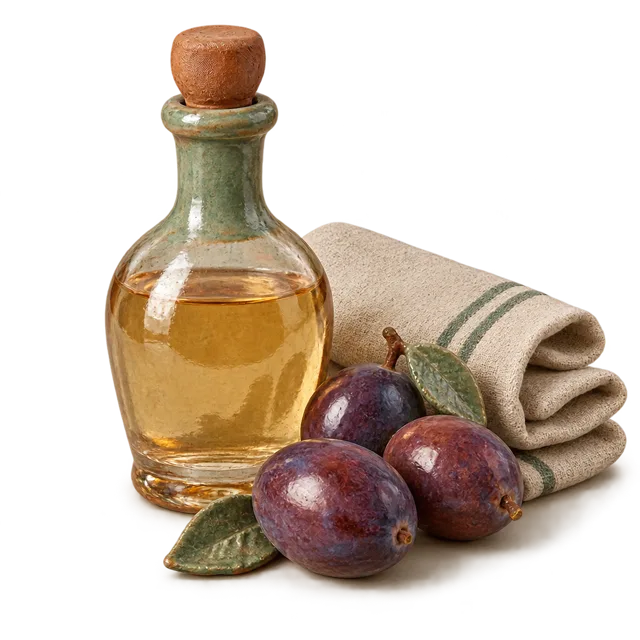
In many Balkan homes, a bottle of homemade rakia is kept as much for rubs as for toasts, and a rakia rub at bedtime is a remembered part of childhood illness. It comes from real care and the old belief that cooling the skin cools the person.
You'll need
- rakia, vinegar or rubbing alcoholas used
How it's made
- 1What people do: rub rakia (or vinegar or surgical spirit) on the chest, back and feet of someone with a fever, sometimes wrapping them in a damp cloth.
- 2What the evidence suggests instead: rest, drink plenty of fluids and wear light clothing. Adults can take paracetamol or ibuprofen, following the label, if the fever is making them uncomfortable.
- 3Alcohol rubs aren't recommended for anyone (MedlinePlus), and they're especially risky for children.
What the evidence says
MedlinePlus advises against alcohol rubs for fever: they cool the skin but can cause shivering, which raises core body temperature. A case report describes poisoning after a rub with rubbing alcohol (isopropanol); that's a different alcohol from rakia, but it shows alcohol on the skin can be absorbed.
Popular, but studies show it doesn't do what people think.
Who should skip it
- 🤰 Pregnant or breastfeeding? Check with your midwife or doctor first
- 🧒 For adults only (under 18s should skip it)
- 💊 Alcohol on the skin can be absorbed and breathed in, which is especially dangerous for children
- A temperature of 38°C or above that lasts more than 3 days, or you feel very unwell
- Cold symptoms that get worse, or don't improve after 10 days
- A child or baby with a high temperature: follow NHS or your doctor's advice for fever in children
- Call 999 (UK) or 911 (US) if you have sudden chest pain, severe difficulty breathing (gasping, choking or unable to get words out), are coughing up blood, or become confused or very hard to wake
- Get urgent same-day advice (NHS 111 or your doctor) if you feel short of breath or very unwell, or flu symptoms don't improve after 7 days
- Get urgent advice for flu symptoms if you're 65 or over, pregnant, or have a long-term condition or a weakened immune system
Sources
- Fever (MedlinePlus)
- Hemorrhagic gastritis from topical isopropanol exposure (Ann Pharmacother, 2002) (PubMed)
- High temperature (fever) in adults (NHS)
- Rakia (Wikipedia)
- Common cold (NHS)
By the Remedies by Culture editorial team · Last checked 2 October 2026 · Not medical advice, and not medically reviewed.