Across Zimbabwe, where the shrub grows wild and many households keep the dried leaves for tea · Tea · 0 min
Zumbani (umsuzwane)
Fever tea (Lippia javanica)
Traditionally drunk as a lemony herbal tea for colds, coughs and flu-like illness. Cultural practice, not studied: zumbani tea hasn't been tested in people for colds or flu, and its safety in people hasn't been established. A 2017 review of the plant lists colds and coughs as its most common traditional uses, but the research it covers is lab and animal work, and it calls for proper studies of both safety and benefit. Claims made during the pandemic that it worked against COVID-19 were not backed by evidence.
Where it comes from
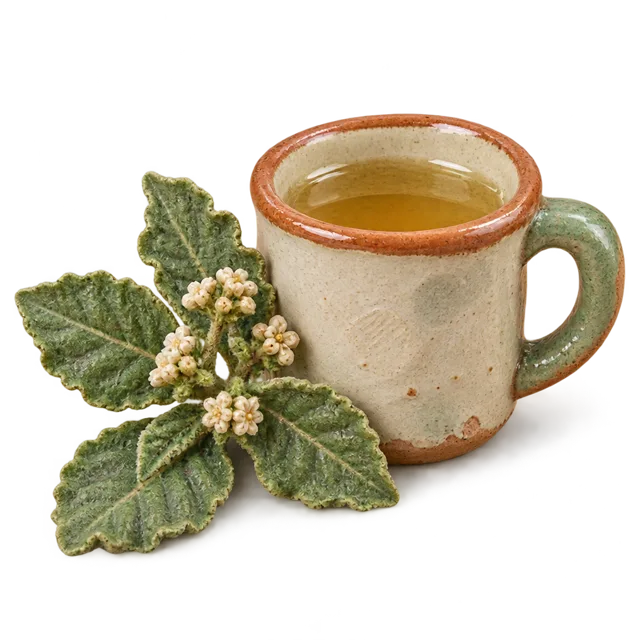
Zumbani, called umsuzwane in Ndebele and 'fever tea' in English, is a woody shrub with a strong citrus-like scent that grows across southern and eastern Africa. In Zimbabwe its dried leaves have long been made into a tea for coughs and colds. During the COVID-19 pandemic demand soared as it was promoted as a remedy for the virus; Zimbabwean doctors stressed that there was no scientific evidence for that use.
You'll need
- dried zumbani (Lippia javanica) leavesas used traditionally (no recipe given)
How it's made
- 1We don't give a recipe for zumbani tea. It hasn't been tested in people, there's no established safe amount or length of use, and the plant itself is known to damage the liver of grazing animals.
- 2What people do: steep the dried leaves in hot water and drink the lemony tea for colds, coughs and flu-like illness; many Zimbabwean households keep the leaves for this.
- 3We don't give advice on drinking it, including bought zumbani teas. If you have a cold or flu, follow NHS self-care advice (rest and plenty of fluids) and the warning signs below.
What the evidence says
Cultural practice, not studied: zumbani tea hasn't been tested in people for colds or flu, and its safety in people hasn't been established. A 2017 review of the plant lists colds and coughs as its most common traditional uses, but the research it covers is lab and animal work, and it calls for proper studies of both safety and benefit. Claims made during the pandemic that it worked against COVID-19 were not backed by evidence.
A real tradition we can document, but nobody has properly tested it.
Who should skip it
- 🤰 Avoid in pregnancy
- 🧒 For adults only (under 18s should skip it)
- 💊 Its safety in pregnancy and breastfeeding hasn't been established; don't use it then
- 💊 The 2017 review reports that Lippia javanica itself is known to cause liver damage and sun sensitivity in grazing livestock, that mice given a water extract of its leaves became lethargic and some died, and that prolonged use of high doses is potentially harmful. These findings don't tell us the risk to people, and they don't show that a weak tea is safe; if you have liver disease, don't drink it
- 💊 Herbs can interact with regular medicines; if you take any, ask a pharmacist first
- 💊 It is not a treatment for COVID-19 or flu: don't use it instead of testing, vaccines or medical care
- 🌼 Verbena-family (Verbenaceae) allergy, such as to lemon verbena
- Cold symptoms that get worse, or don't improve after 10 days
- A cough lasting more than 3 weeks
- A high temperature for more than 3 days, a very high temperature, or you feel hot, cold or shivery
- Yellowing of the skin or the whites of your eyes, dark urine or pain in the upper right of your tummy after drinking it: stop drinking it and get an urgent same-day GP appointment or call NHS 111 (NHS Jaundice)
- Get urgent same-day advice (NHS 111 or your doctor) if you feel short of breath or very unwell, or flu symptoms don't improve after 7 days
- Get urgent advice for flu symptoms if you're 65 or over, pregnant, or have a long-term condition or a weakened immune system
- Call 999 (UK) or 911 (US) now if you have sudden chest pain, severe difficulty breathing (gasping, choking or unable to get words out), or start coughing up blood
Sources
- Lippia javanica: traditional and commercial uses and phytochemical and pharmacological significance (Evid Based Complement Alternat Med, 2017) (PubMed Central)
- Rich or poor, in Zimbabwe crumbling healthcare is deadly for all (Al Jazeera)
- Zumbani / Umsuzwane / Lippia javanica (Pindula)
- An alert on the incautious use of herbal medicines by sub-Saharan African populations to fight against the COVID-19 (Pan Afr Med J, 2020) (PubMed Central)
- Common cold (NHS)
- Flu (NHS)
- Jaundice (NHS)
By the Remedies by Culture editorial team · Last checked 2 October 2026 · Not medical advice, and not medically reviewed.