
Field guide
How 16 countries calm a cough
From thyme tea in Germany to onion syrup in Poland, here's how the world settles a tickly cough, and which traditions have evidence behind them.
| Country | Remedy | Rating |
|---|---|---|
| China | Steamed pear with rock sugar | Cultural practice |
| Poland | Onion syrup | Cultural practice |
| United Kingdom | Hot honey and lemon drink | Studied |
| Germany | Thyme tea | Traditional |
| Mexico | Bougainvillea flower tea | Cultural practice |
| India | Spiced kitchen decoction | Cultural practice |
| Jamaica | Warm honey and lime drink | Studied |
| Haiti | Garlic and honey syrup | Cultural practice |
| Egypt | Hot aniseed tea | Traditional |
| Lebanon | Wildflower tea | Cultural practice |
| Greece | Greek mountain tea | Traditional |
| Australia | Eucalyptus oil inhaled from a tissue | Cultural practice |
| New Zealand | Mānuka honey in warm lemon water | Studied |
| Nepal | Ajwain (carom seed) soup | Cultural practice |
| Malaysia | Chicken soup with lemongrass and ginger | Cultural practice |
| Zimbabwe | Fever tea (Lippia javanica) | Cultural practice |
1. China · Home cooking across China, especially in the dry winter months
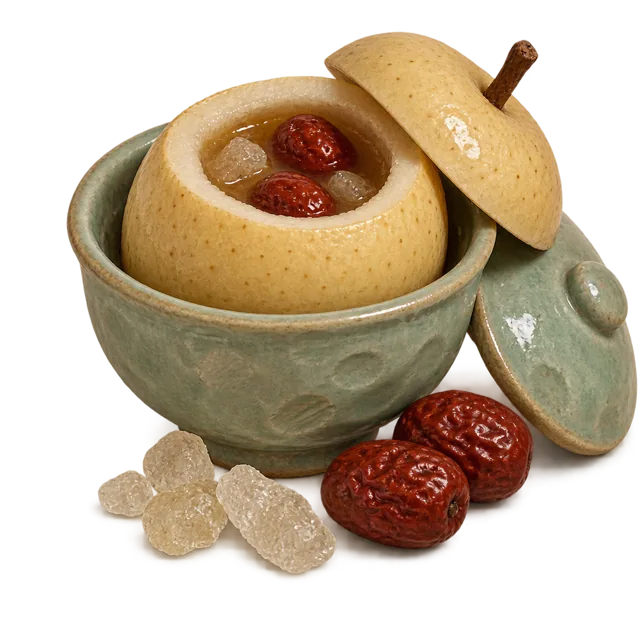
Bīngtáng dùn xuělí (冰糖炖雪梨)
Steamed pear with rock sugar
Traditionally eaten to soothe a dry, tickly throat and a dry cough in cold, dry weather. In Chinese home cooking, pears are thought of as moistening, and a steamed pear filled with rock sugar is a gentle dish grandparents make when the air turns dry. Many families add jujubes, goji berries or chuanbei (a dried bulb); ours keeps to kitchen basics.
Cultural practiceSteamed pear hasn't been studied for coughs or sore throats. Warm, soft, sweet food can feel soothing, and the NHS suggests soft foods and warm drinks for a sore throat.Recipe, sources and who should skip it →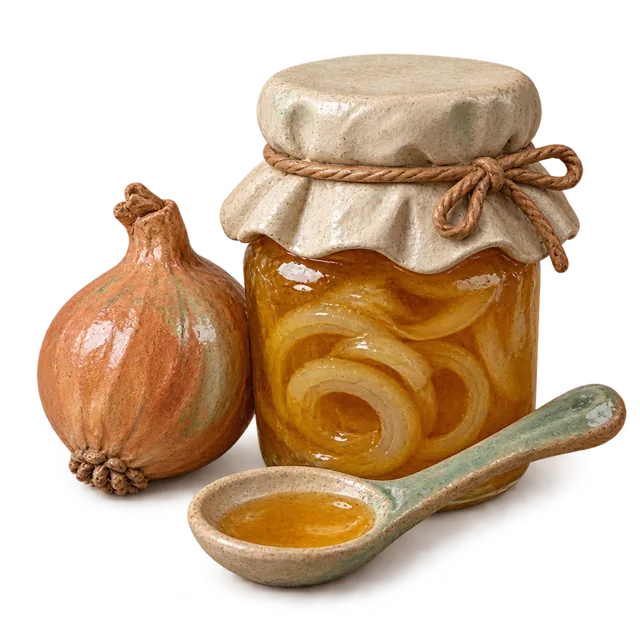
2. Poland · Homes across Poland, a grandmother classic
Syrop z cebuli
Onion syrup
Traditionally taken by the spoonful to soothe a tickly cough in autumn and winter. Syrop z cebuli is the cough syrup many Poles grew up with: sweet, oniony and made in a jar on the windowsill. Every family has its version; some add garlic or lemon.
Cultural practiceOnion syrup itself hasn't been studied. Most of any soothing effect probably comes from the honey, which has some evidence for easing coughs (see our honey and lemon page).Recipe, sources and who should skip it →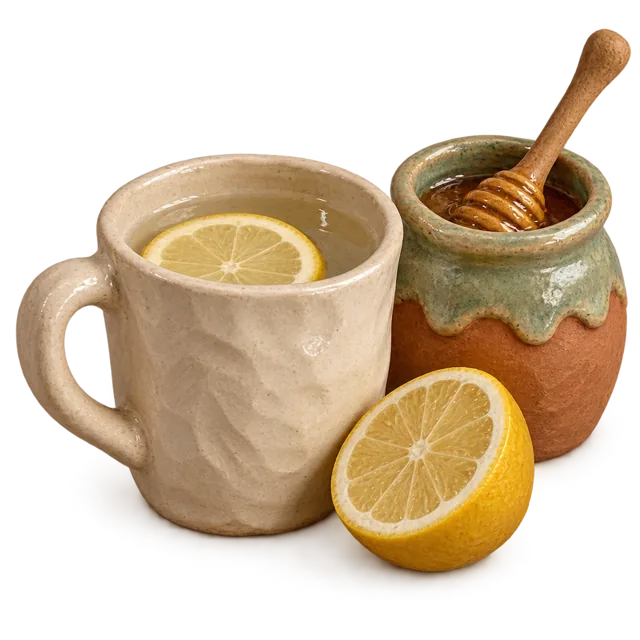
3. United Kingdom · Kitchens across Britain and Ireland
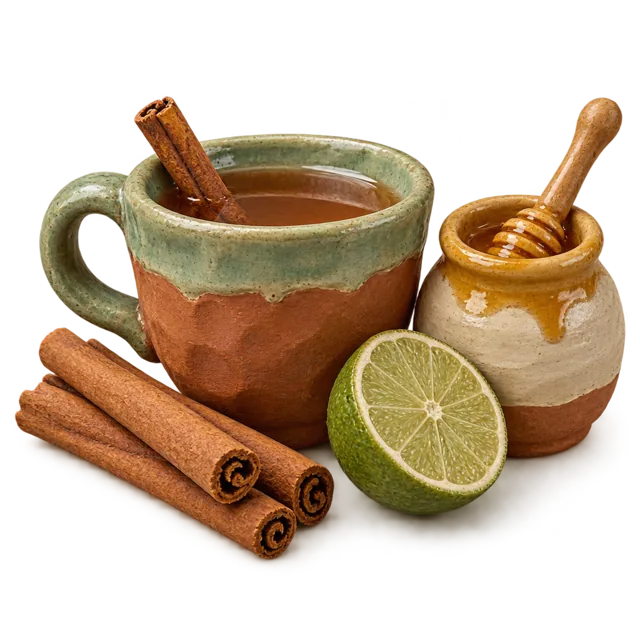
Hot honey and lemon
Hot honey and lemon drink
Traditionally sipped to soothe a cough and a sore throat during a cold. The mug of hot honey and lemon is so woven into British home life that the NHS gives the recipe on its common cold page. Variations add fresh ginger or a slice of orange.
StudiedReviews suggest some cough relief from honey, but much of the evidence is in children over 1; adult benefit is less certain. A broader review found benefits against usual care, while combined placebo results were inconclusive. This does not prove that honey and lemon shortens a cold.Recipe, sources and who should skip it →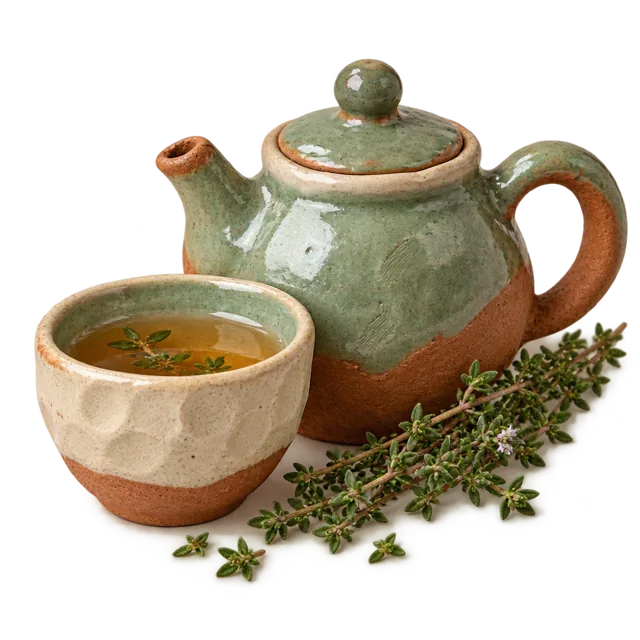
4. Germany · German home and pharmacy tradition (Hausmittel)
Thymiantee
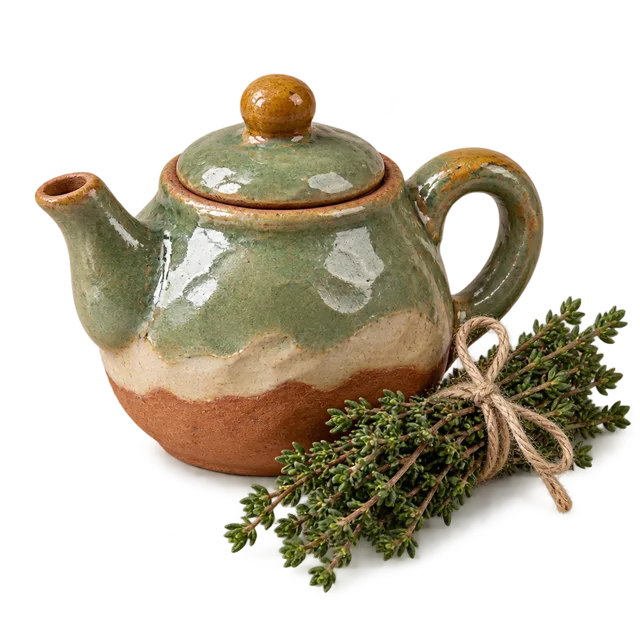
Thyme tea
Traditionally used to soothe a productive cough that comes with a cold. In Germany, thyme tea is a classic Hausmittel (household remedy), and thyme is a common ingredient in cough products sold in pharmacies. Many people grow it on the balcony for exactly this.
TraditionalThe EMA recognises thyme as a traditional herbal medicine for coughs with colds, based on long use rather than strong trial evidence.Recipe, sources and who should skip it →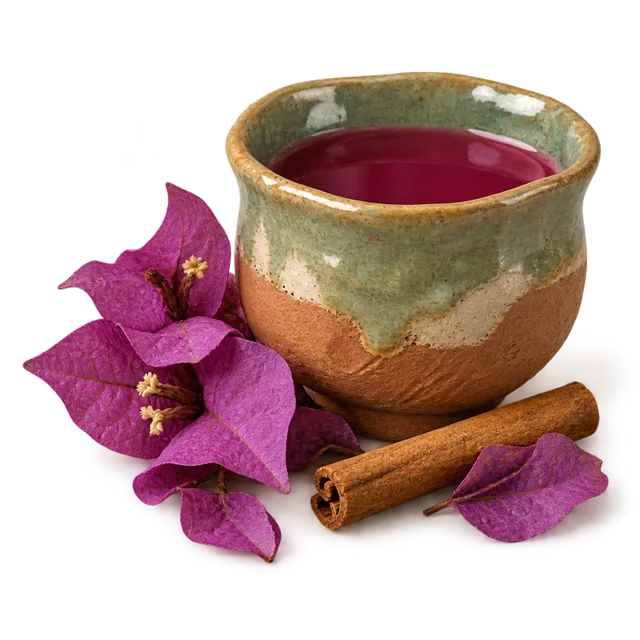
5. Mexico · Across Mexico, brewed from backyard and street-side vines
Té de bugambilia
Bougainvillea flower tea
Traditionally sipped hot to soothe a cough, especially in the cooler months. Bugambilia climbs over walls all over Mexico, and the UNAM atlas of traditional Mexican medicine records that it's used across the country for coughs. Purple bracts (bugambilia morada) are the favourite, often simmered with canela and sweetened with honey.
Cultural practiceThere are lab studies on bougainvillea extracts, but no human studies have tested the tea for coughs, and its safety hasn't been well established. Think of it as an occasional warm drink with cultural roots, not something to rely on.Recipe, sources and who should skip it →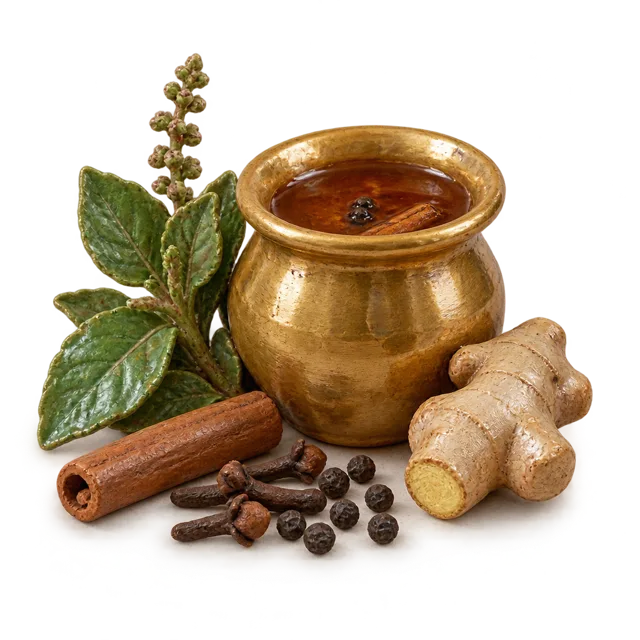
6. India · Home kitchens across North India, each family with its own recipe
Kadha (काढ़ा)
Spiced kitchen decoction
Traditionally sipped hot when a cough or cold sets in, especially as the seasons change. Kadha simply means a brew that has been boiled down, and every Indian kitchen has its own blend of tulsi, ginger, black pepper, cinnamon and cloves. It became even more common during the COVID-19 pandemic: in one survey of Indian COVID-19 patients, 59.6% of those who used home remedies or alternative medicine said they drank kadha.
Cultural practiceKadha hasn't been tested in good trials for coughs, colds or sore throats, and the survey that recorded how popular it is didn't measure whether it helped. It's a warm, spicy drink; very strong or frequent brews can upset the stomach.Recipe, sources and who should skip it →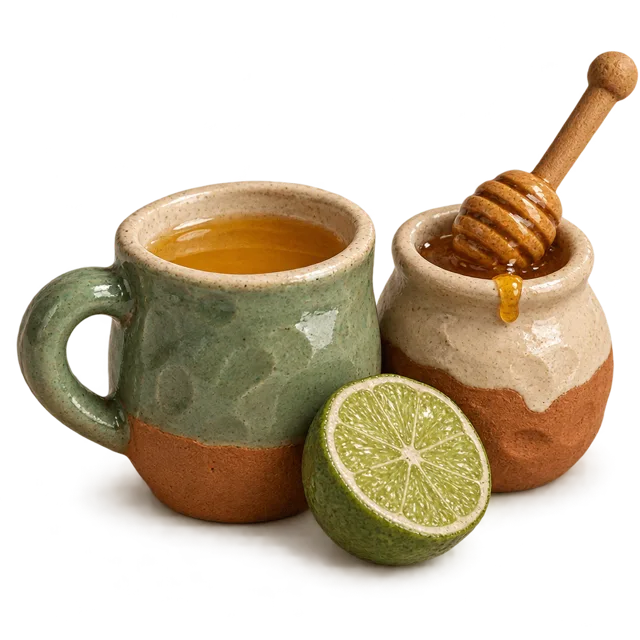
7. Jamaica · Homes across Jamaica, usually the first thing people reach for
Honey and lime
Warm honey and lime drink
Traditionally the first thing many Jamaicans reach for when a tickly throat signals a cold coming on. In Jamaica the cooler months mean cold and flu season, and for many families the response starts with a spoon of honey and lime at the first tickle in the throat, before the bush teas come out.
StudiedReviews suggest some cough relief from honey, but much of the evidence is in children over 1; adult benefit is less certain. A broader review found benefits against usual care, while combined placebo results were inconclusive. This does not prove that honey and lime shortens a cold.Recipe, sources and who should skip it →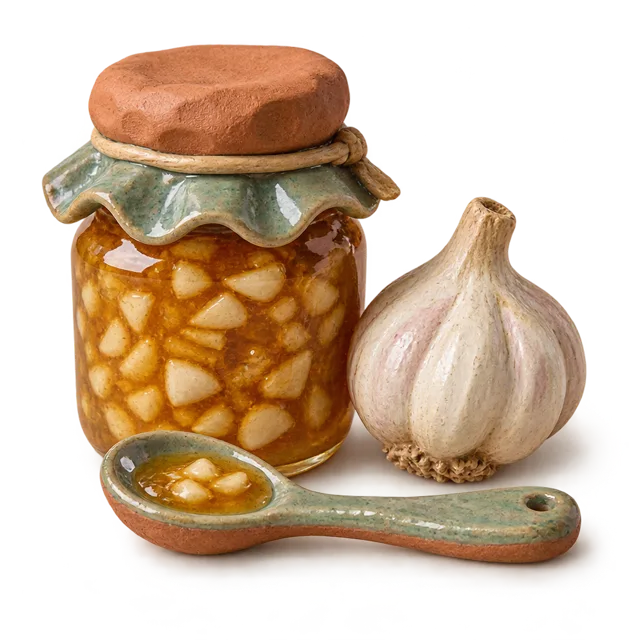
8. Haiti · Haitian home kitchens
Siwo lay
Garlic and honey syrup
Traditionally taken by the spoonful for the cough and aches of a cold or flu. Garlic is one of the plants Haitians most often turn to when flu goes round. In a 2024 survey of traditional plant use in Haiti, people described making it into a syrup for flu or mixing the juice with honey.
Cultural practiceA Cochrane review found too little good evidence to say garlic prevents or eases colds. Honey on its own may ease cough symptoms a little, so most of any soothing effect probably comes from the honey.Recipe, sources and who should skip it →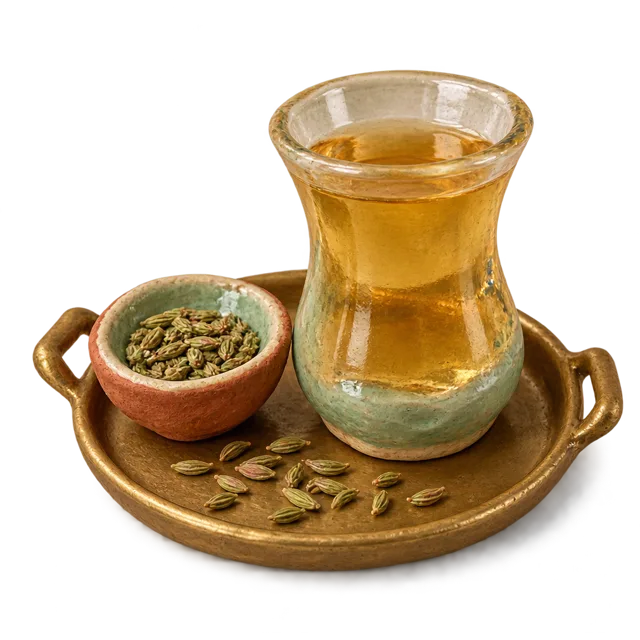
9. Egypt · Egyptian homes and coffee houses, where a glass of yansoon is ordered on cold winter evenings
Yansoon (ينسون)
Hot aniseed tea
Traditionally sipped after meals for a bloated, windy stomach, and when a cold brings a chesty cough. In Egypt, yansoon is the hot drink of winter colds and of comfort generally, served in a small glass in cafés and at home. Aniseed has been grown along the Nile since ancient times, and the tea is still one of the first things a grandmother puts on the stove.
TraditionalThe EMA recognises aniseed as a traditional herbal medicine for mild bloating and wind, and as an expectorant for coughs with a cold, based on long use rather than strong trials. The EMA's assessment covers adults and children over 12; we suggest this tea for adults only.Recipe, sources and who should skip it →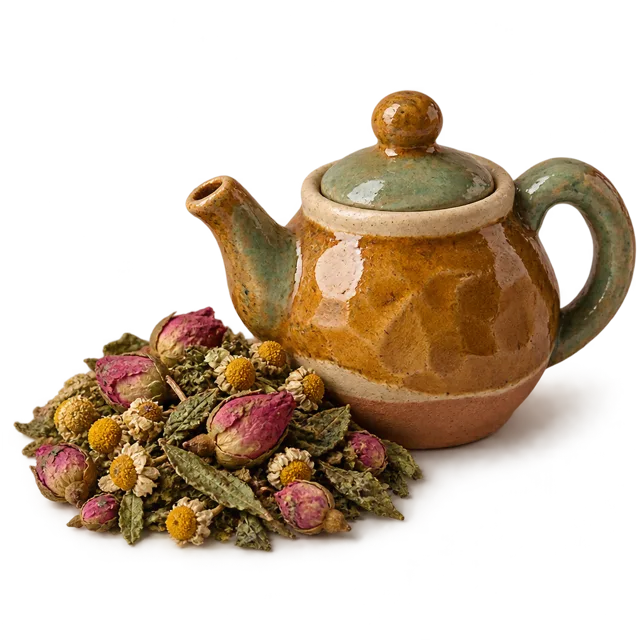
10. Lebanon · Lebanon and Syria, where dried flower blends are sold loose by spice merchants
Zhourat (زهورات)
Wildflower tea
Traditionally drunk hot in winter when someone has a cold or a tickly cough, and after meals. Zhourat means 'flowers' in Arabic, and the tea is a mix of whatever dried blossoms, herbs and fruits a family or spice seller favours. An ethnobotany study of zhourat blends found damask rose, a local mallow, chamomile, lemon verbena, corn silk and oleaster at their heart, and people described it as warming and good for chests and digestion.
Cultural practiceCultural practice, not studied: the blend has never been tested as a whole. The researchers noted that its traditional uses fit the folk uses of its ingredients, but that isn't evidence it works. A hot drink with rest fits NHS self-care advice for a cold.Recipe, sources and who should skip it →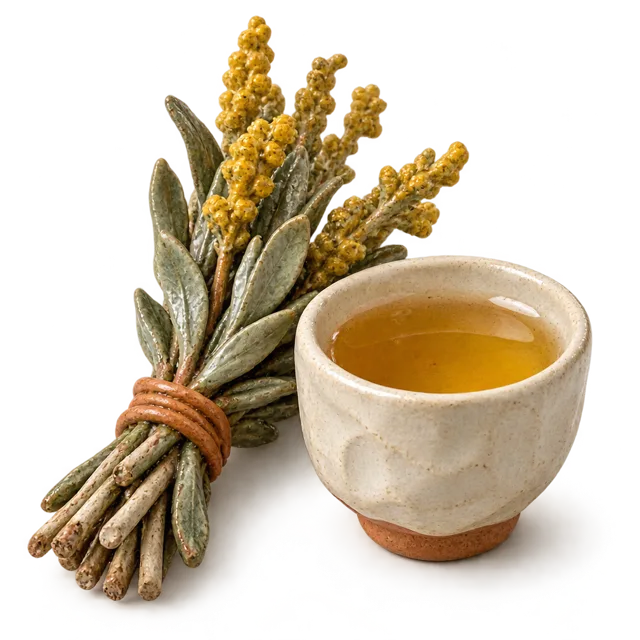
11. Greece · The mountains of Greece and the Balkans, where Sideritis is gathered in summer and sold in bundles
Tsai tou vounou (τσάι του βουνού)
Greek mountain tea
Traditionally drunk hot in winter for coughs and colds, and after meals for a mild stomach upset. Every Greek kitchen seems to have a bundle of tsai tou vounou, the dried silvery stems and yellow flowers of Sideritis gathered on mountains such as Olympus and Parnassus. Shepherds once brewed it on hillsides, and it's still the tea Greek families make when someone is coughing.
TraditionalThe EMA recognises Greek mountain tea (Sideritis) as a traditional herbal medicine for coughs with a cold and mild stomach and gut discomfort, based on long use rather than strong trials.Recipe, sources and who should skip it →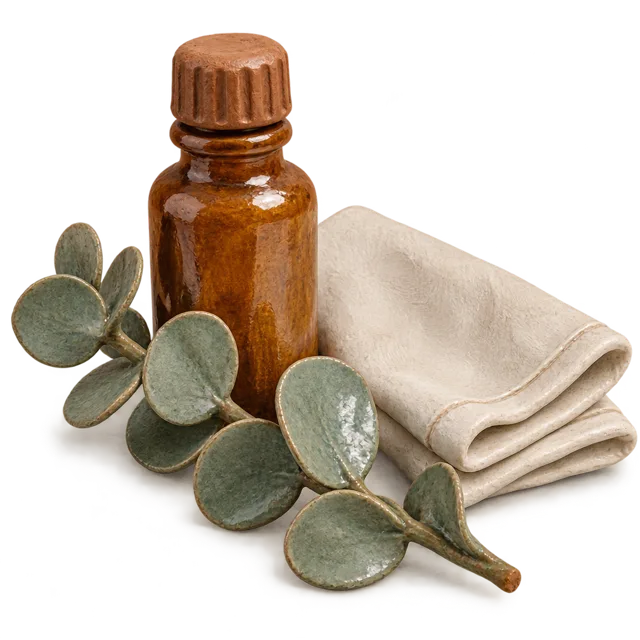
12. Australia · Australian homes, where a bottle of eucalyptus oil is a common sight in the bathroom cabinet or laundry
Eucalyptus oil on a hanky
Eucalyptus oil inhaled from a tissue
Traditionally breathed in from a hanky or tissue to ease a stuffy nose and a chesty cough with a cold. Australia's eucalyptus oil industry began in 1852, when Melbourne pharmacist Joseph Bosisto set up a still near Dandenong in Victoria, and the oil is still sold everywhere from pharmacies to supermarkets. In many Australian homes a few drops on a hanky is a familiar winter habit, and the same bottle often does double duty in the laundry.
Cultural practiceCultural practice, not studied: drops on a tissue haven't been tested. Separately, the EMA recognises eucalyptus oil breathed in with steam (drops in a bowl of just-boiled water) as a traditional herbal medicine for the relief of cough associated with a cold, based on long use rather than strong trials; that assessment doesn't cover the tissue method or a blocked nose. Eucalyptus oil is poisonous if swallowed: 2 to 3 ml can make a child drowsy and unsteady, and 5 ml or more can cause severe poisoning (Royal Children's Hospital Melbourne). Eucalyptus is the oil most often involved in essential oil poisoning calls in New South Wales, especially in winter.Recipe, sources and who should skip it →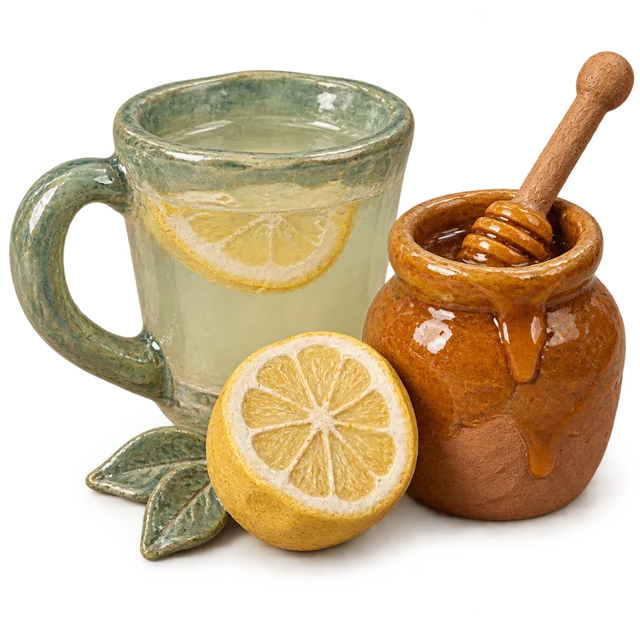
13. New Zealand · New Zealand, the home of mānuka honey, where a spoonful in warm lemon water is a familiar winter drink
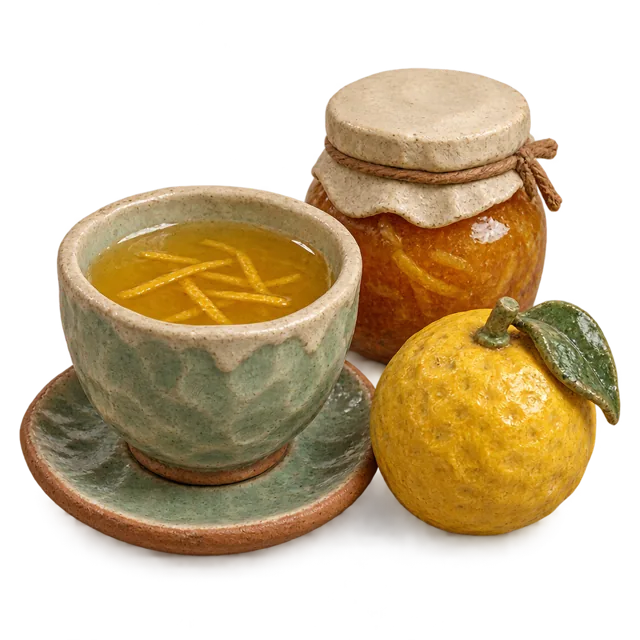
Mānuka honey and lemon
Mānuka honey in warm lemon water
Traditionally sipped in winter to soothe a sore throat and a tickly cough during a cold. Mānuka honey comes from the nectar of the mānuka tree, which is native to New Zealand and parts of coastal Australia, and it has become one of New Zealand's best-known exports, often called 'liquid gold'. At home, many New Zealanders use it the simple way, stirred into warm lemon water when a cold sets in.
StudiedReviews found honey may ease cough a little better than usual care in people with colds and other upper respiratory infections, and a Cochrane review found it probably eases cough in children over 1, though the evidence is low to moderate quality. These reviews looked at honey in general: they don't show that mānuka works any better than ordinary honey for a cough or sore throat. The NHS says there's limited evidence that hot lemon and honey helps a cough, and the lemon mostly adds flavour.Recipe, sources and who should skip it →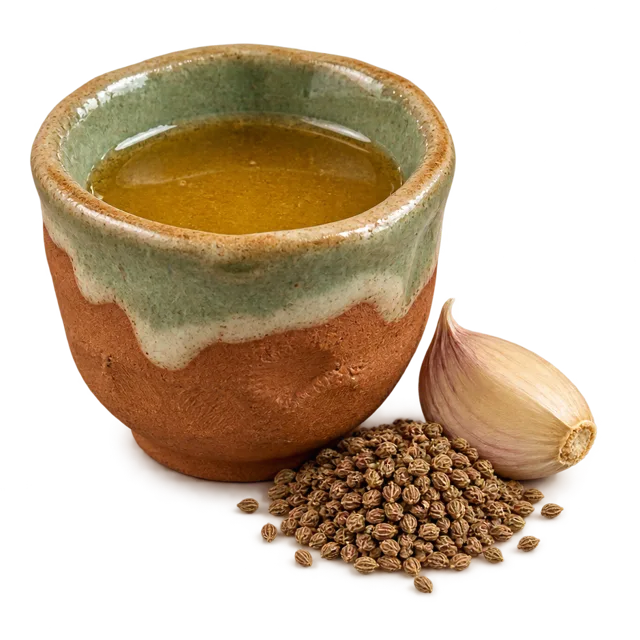
14. Nepal · Homes across Nepal and the Nepali diaspora, especially in the cold winter months
Jwano ko jhol (ज्वानोको झोल)
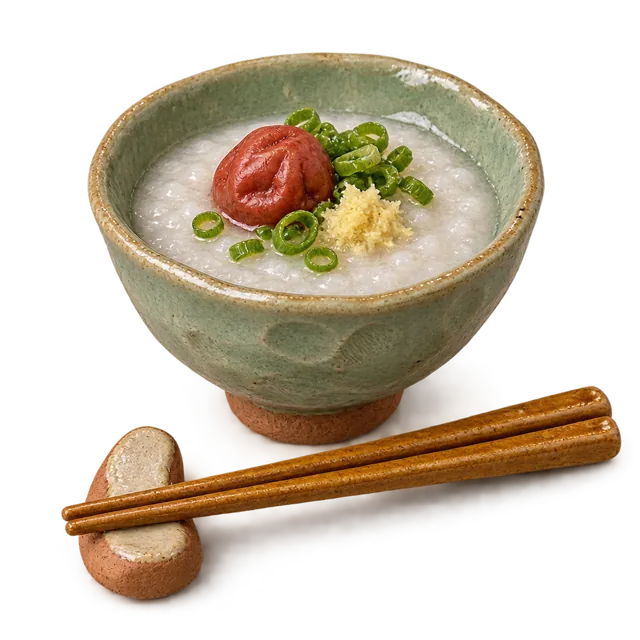
Ajwain (carom seed) soup
Traditionally eaten as a warming, savoury broth when someone has a cold or cough, and on cold winter days. Jwano is the Nepali name for ajwain, a tiny, strongly aromatic seed from the celery (Apiaceae) family, and jhol means a thin soup or broth. Ask Me About Nepal calls jwano ko jhol a household name for Nepalis, especially in the cold winter months: the seeds are toasted in ghee with garlic and ginger, then thickened lightly with rice flour. A Nepali food writer says its smell takes her back to her childhood, and that it's what she reaches for when she's feeling under the weather.
Cultural practiceCultural practice, not studied: jwano ko jhol itself hasn't been tested. A review of ajwain research describes animal studies in which ajwain extracts reduced coughing, but animal findings don't show a benefit in people. A warm, salty broth is an easy way to get fluids in, which fits NHS self-care advice for colds, but there's no good evidence that it shortens a cold.Recipe, sources and who should skip it →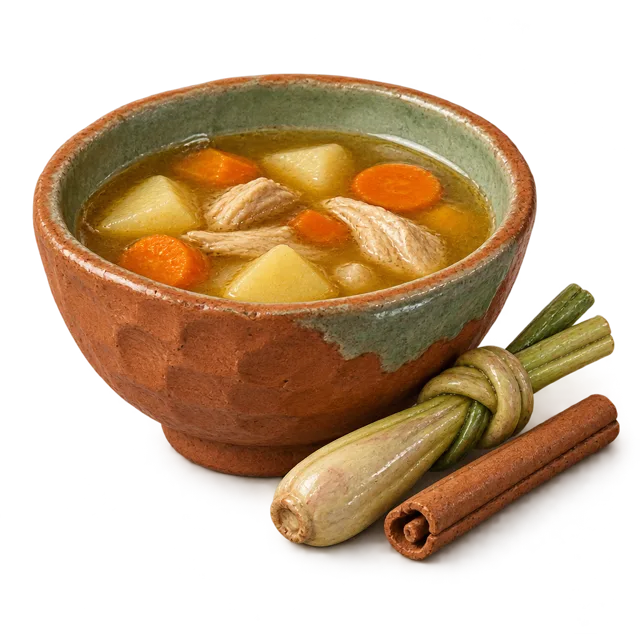
15. Malaysia · Malaysian homes, where many families make chicken soup for someone with a fever, cold or cough
Sup ayam serai
Chicken soup with lemongrass and ginger
Traditionally cooked for someone with a fever, cold or cough, as a warm, light meal when they don't feel like eating much. Malaysian sup ayam is a clear, spiced chicken soup, often flavoured with a little cloth bag of whole spices called a sup bunjut. Malaysian food writers describe it as the dish families have long made for someone down with a fever, cold or cough, and many cooks add lemongrass (serai) or ginger for their fragrance.
Cultural practiceCultural practice, not studied: sup ayam itself hasn't been tested. Hot soup is a gentle way to get fluids and food in, which fits NHS self-care advice for colds and flu (rest and plenty of fluids), but there's no good evidence that chicken soup shortens a cold or flu.Recipe, sources and who should skip it →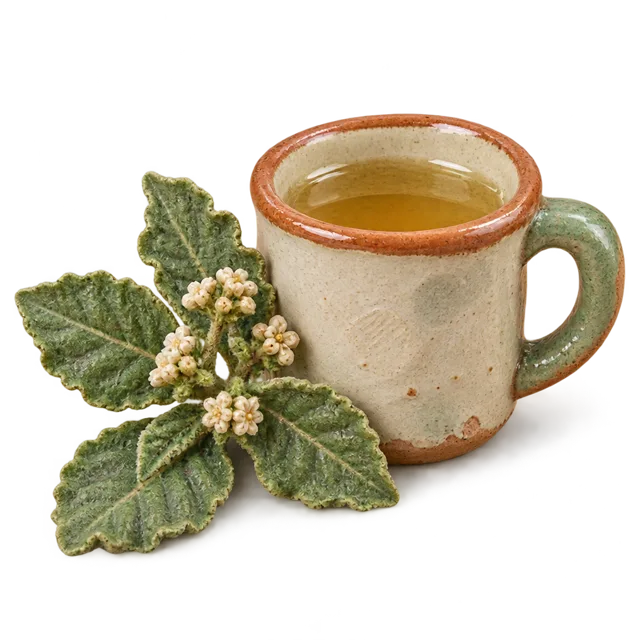
16. Zimbabwe · Across Zimbabwe, where the shrub grows wild and many households keep the dried leaves for tea
Zumbani (umsuzwane)
Fever tea (Lippia javanica)
Traditionally drunk as a lemony herbal tea for colds, coughs and flu-like illness. Zumbani, called umsuzwane in Ndebele and 'fever tea' in English, is a woody shrub with a strong citrus-like scent that grows across southern and eastern Africa. In Zimbabwe its dried leaves have long been made into a tea for coughs and colds. During the COVID-19 pandemic demand soared as it was promoted as a remedy for the virus; Zimbabwean doctors stressed that there was no scientific evidence for that use.
Cultural practiceCultural practice, not studied: zumbani tea hasn't been tested in people for colds or flu, and its safety in people hasn't been established. A 2017 review of the plant lists colds and coughs as its most common traditional uses, but the research it covers is lab and animal work, and it calls for proper studies of both safety and benefit. Claims made during the pandemic that it worked against COVID-19 were not backed by evidence.Recipe, sources and who should skip it →
Ingredients to know
Explore by culture
The Remedy Atlas · digital book
How the world heals, honestly rated
Every remedy for your cough, and 127 in all from 64 cultures, in one beautiful book. Each has its recipe, an honest evidence rating and clear safety flags.