Kitchen traditions · South Korea
Traditional Korean medicine at home: kitchen remedies rated
Traditional Korean medicine, called hanbang, is a clinical system still practised in South Korea alongside Western medicine. At home, its influence shows up in food: rice porridge (juk) for someone recovering, yuja-cha in winter and ginseng chicken soup on the hottest summer days. We rate these kitchen habits honestly; most are cultural practice, not studied remedies.
Korean home care is closely tied to the table. When someone is ill, the first thing many families make is juk, a soft rice porridge, and in winter a jar of yuja-cheong (citron preserved in sugar or honey) sits in the fridge, ready to stir into hot water.
Behind some of these habits sits hanbang (한방), traditional Korean medicine. It is a separate clinical system with its own practitioners, and some of its ideas, like eating to suit the season, have shaped everyday cooking. We describe those ideas as beliefs, not proven effects.
The calendar matters too. On the three hottest 'bok days' of summer, people queue for samgyetang, and seasonal food rituals like kimjang, the shared autumn kimchi-making, bring families together. Here we focus on the simple home versions and rate each one honestly.
Traditions to know
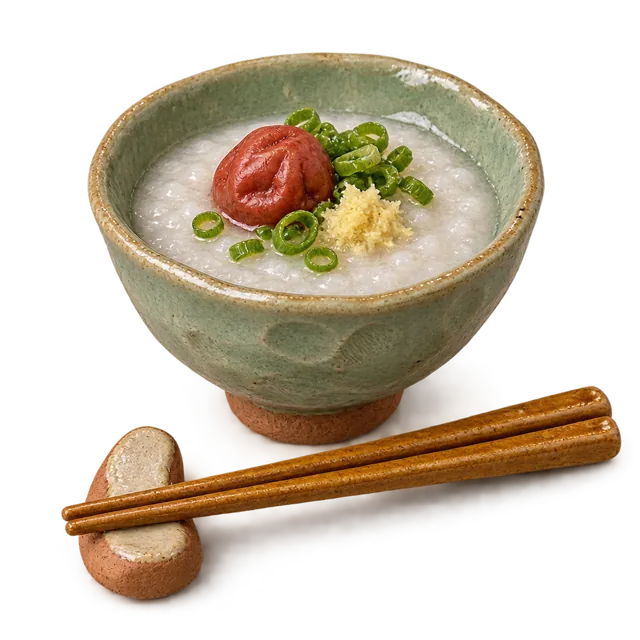
Juk for recovery
죽 (juk)
Soft rice porridge, sometimes made with pumpkin, chicken or abalone, is the classic 'get well' dish for someone recovering or for older relatives, because it is gentle and easy to eat.
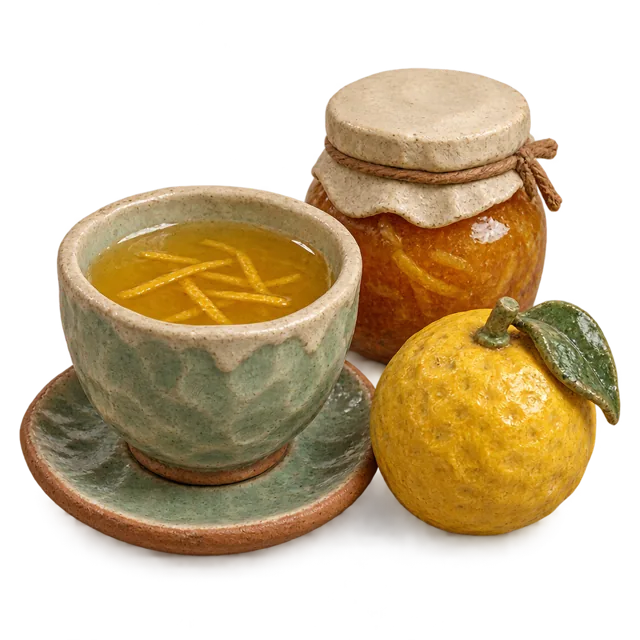
Winter citron tea
유자차 (yuja-cha)
Spoonfuls of citron marmalade stirred into hot water make a caffeine-free tea that many families drink through winter and offer when someone has a cold.
Fighting heat with heat on bok days
삼계탕 (samgyetang)
On the sambok days, three of the hottest days of the lunar summer, it is a custom to eat ginseng chicken soup. The tradition holds that a hot, nourishing soup helps people through the sweaty, tiring heat.
Kimjang, the autumn kimchi-making
김장 (kimjang)
In late autumn, relatives and neighbours gather to make and share large batches of kimchi to last the winter, a custom UNESCO lists as intangible cultural heritage. It is about community and preserving vegetables, not medicine.
Remedies from South Korea
Ingredients in Korean kitchens
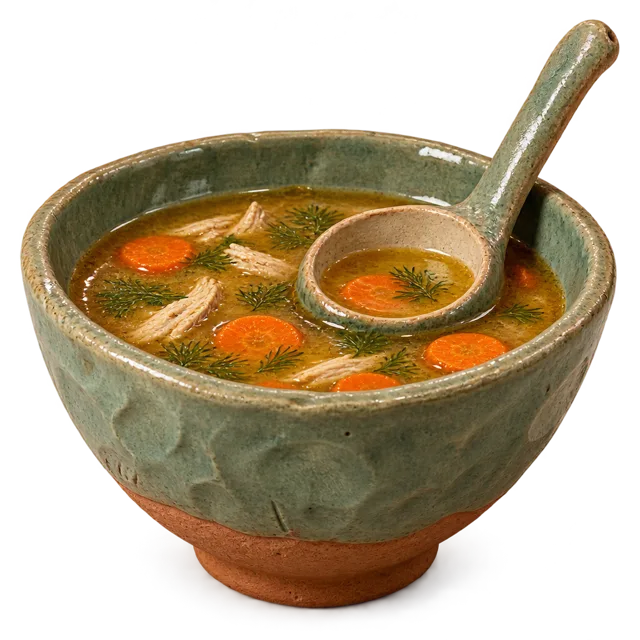 Chicken soup
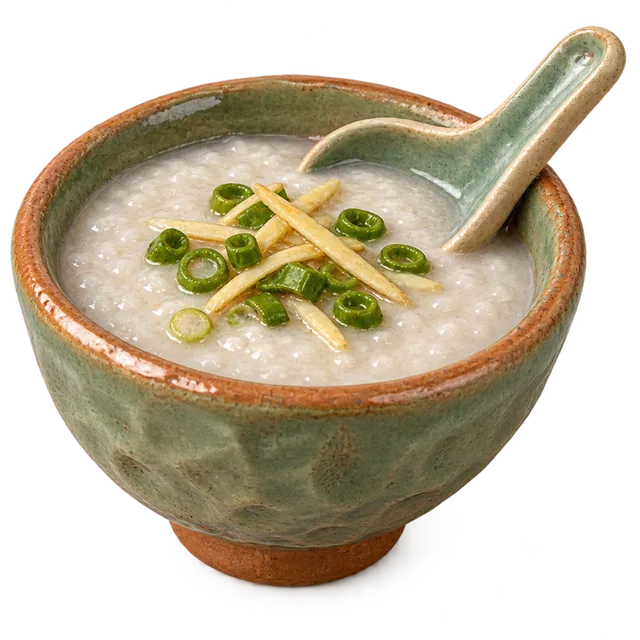 Congee
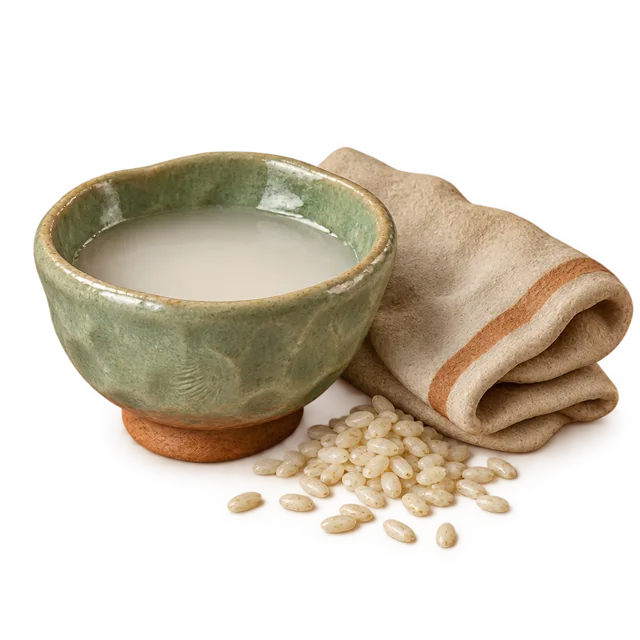
 Rice water
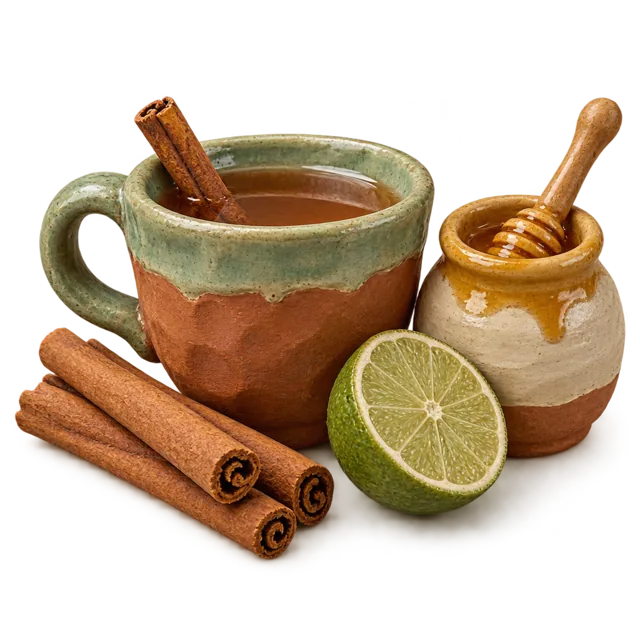
 Té de canela
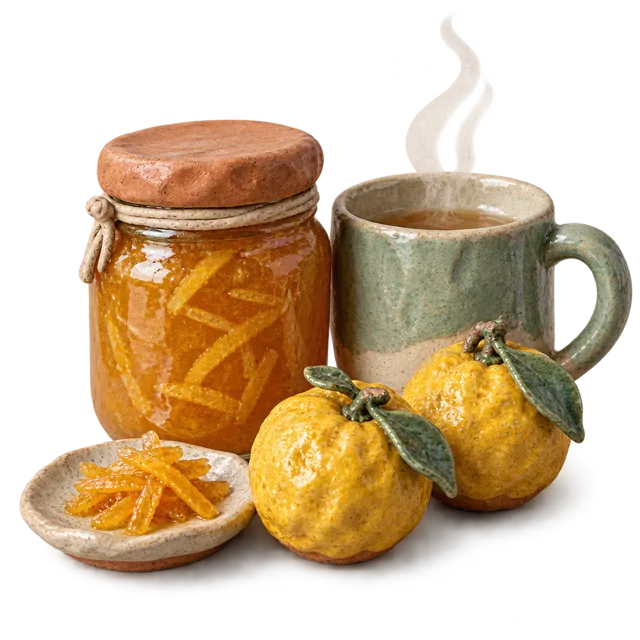 Yuja tea
Questions people ask
What is traditional Korean medicine (hanbang)?
Hanbang is Korea's traditional medical system, still practised alongside Western medicine. It includes herbal formulas and acupuncture. Our pages cover only the everyday kitchen foods it has influenced, not clinical care, and we don't endorse its theories.
What do Koreans eat when they are sick?
Juk is the go-to: plain rice porridge or versions with chicken, pumpkin or abalone. Yuja-cha is common for colds in winter. These are comfort foods; there is little research on them for illness.
Do Korean herbal remedies have scientific support?
Some individual herbs have been studied. NCCIH says Asian ginseng trials are mostly small, with a possible small effect on general fatigue and not enough reliable evidence for most other uses. Ginseng may lower blood sugar, so check with a doctor or pharmacist before taking supplements.
Why do Koreans eat hot soup in summer?
Koreans talk of fighting heat with heat. Eating samgyetang on the bok days is a cherished custom; the belief that it restores energy lost to the heat is traditional rather than tested.
Sources
- Traditional Korean medicine (Wikipedia)
- Juk (Korean food) (Wikipedia)
- Samgye-tang (Wikipedia)
- Kimjang, making and sharing kimchi in the Republic of Korea (UNESCO)
- Asian Ginseng (NCCIH)
By the Remedies by Culture editorial team · Last checked 1 October 2026 · Not medical advice, and not medically reviewed. How we work
The Remedy Atlas · digital book
How the world heals, honestly rated
127 remedies from 64 cultures, in one beautiful book. Each has its recipe, an honest evidence rating and clear safety flags.