Kitchen traditions · India
Traditional Indian medicine at home: kitchen remedies rated
Traditional Indian medicine includes Ayurveda, a recognised system in India with its own practitioners. At home, its influence lives in the kitchen: haldi doodh (turmeric milk) at bedtime, spiced kadha when a cold starts, saunf (fennel seeds) after meals. We rate these habits honestly; most are traditional or cultural practice with limited research.
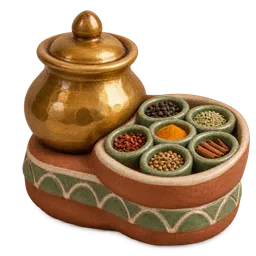
In many Indian homes, the spice tin doubles as the first-aid kit. Turmeric, ginger, black pepper, tulsi, cloves and fennel are bought for cooking, and the same jars come out when someone has a sore throat or feels heavy after a big meal.
Much of this draws on Ayurveda, one of India's traditional systems of medicine, along with Siddha and Unani. Ayurveda describes foods by their qualities and effects on digestion; we describe those ideas as beliefs. NCCIH notes there are few well-designed trials of Ayurvedic approaches, and some Ayurvedic products have been found to contain lead or mercury.
So we keep to the kitchen versions: warm milk with haldi, a home-brewed kadha, a pinch of saunf after dinner, a weekly champi (oil head massage). Each is rated honestly, with safety notes where they matter.
Traditions to know
Turmeric milk at bedtime
हल्दी दूध (haldi doodh)
Warm milk with a spoon of turmeric, often with black pepper and jaggery, is what many grandmothers make when someone has a cold or cough. It is a comforting drink; studies don't show turmeric milk helps colds.
Spiced kitchen brews
काढ़ा (kadha)
Kadha is a strong decoction of everyday spices such as ginger, tulsi, black pepper, cloves and cinnamon, traditionally sipped when a cold or sore throat starts. Recipes differ from family to family.
Fennel seeds after meals
सौंफ (saunf) / mukhwas
A small bowl of saunf or sugar-coated mukhwas is passed round after meals in homes and restaurants, as a breath freshener and traditionally to help digestion. Fennel has a European herbal monograph for mild bloating.
Oiling the hair
चंपी (champi)
A weekly head massage with warm coconut, mustard or sesame oil is a family ritual in many homes, often done by a mother or grandmother before hair washing. If you try it, skip any oil you're allergic to (coconut, mustard and sesame allergies all exist), patch test first on a small spot twice a day for 7 to 10 days, and keep mustard oil away from broken or irritated skin.
Indian remedies by ailment
 Colds
 Cough
Remedies from India
Haldi doodh (हल्दी दूध)
Turmeric milk
Cultural practice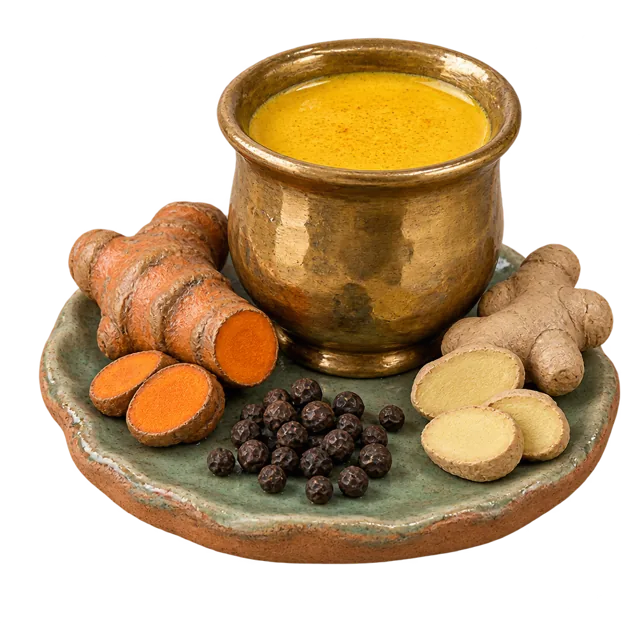
Saunf (सौंफ)
Fennel seeds after meals
Traditional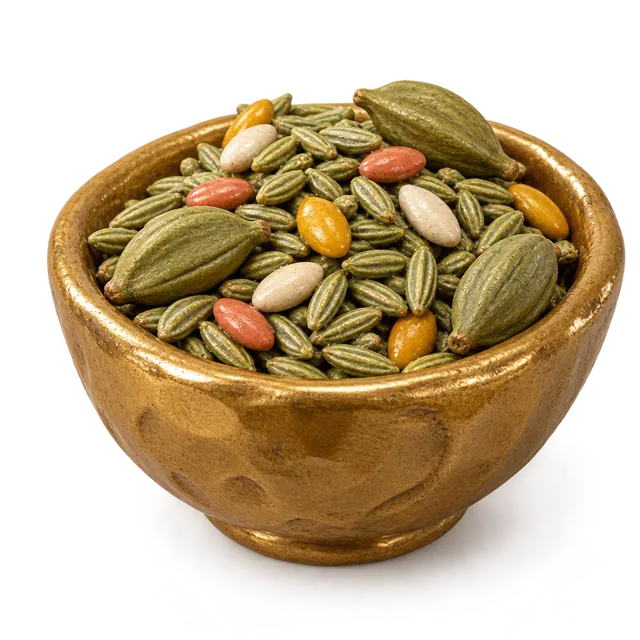
Ubtan (उबटन)
Gram flour, turmeric and yogurt face paste
Cultural practice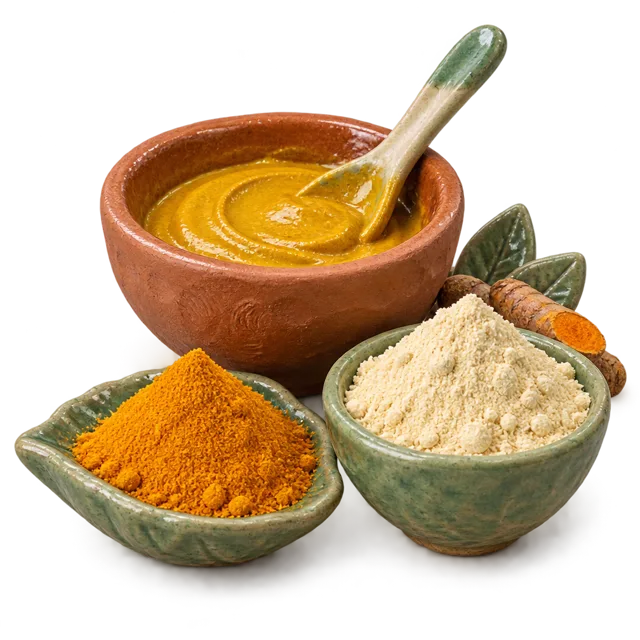
Champi (चंपी)
Warm coconut oil scalp massage
Cultural practice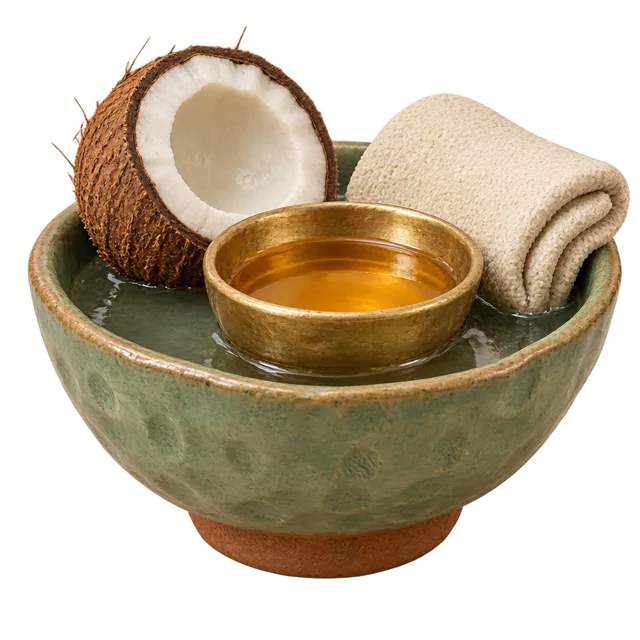
Lemon juice on dark spots
Rubbing lemon juice on skin to fade dark spots
Myth-busted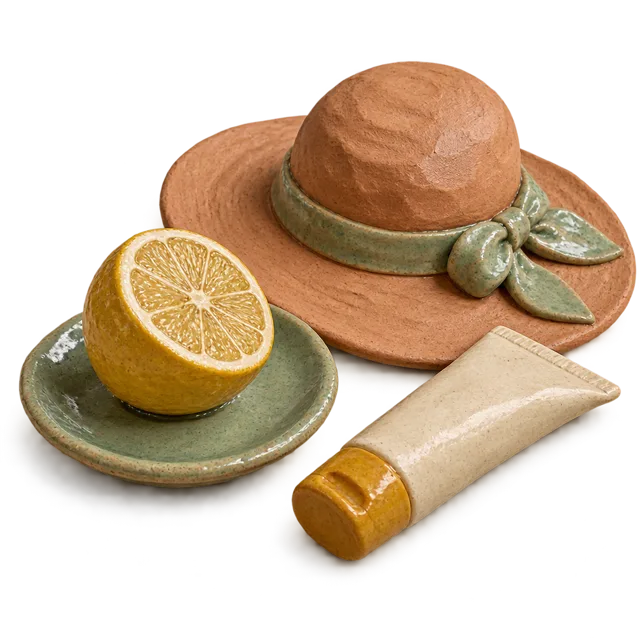
Kadha (काढ़ा)
Spiced kitchen decoction
Cultural practice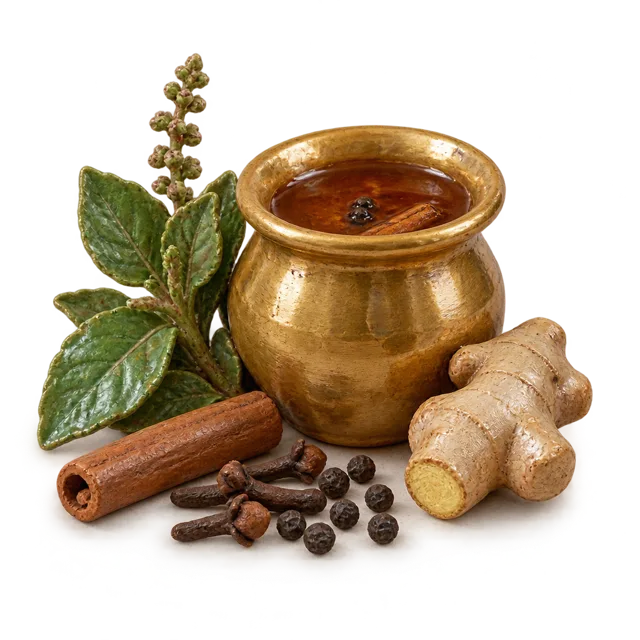
Tulsi adrak chai (तुलसी अदरक चाय)
Holy basil and ginger tea
Cultural practice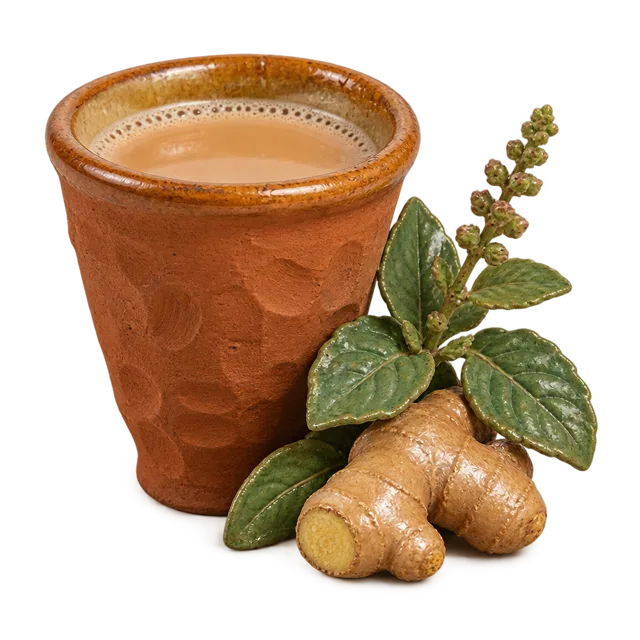
Mulethi (मुलेठी)
Liquorice root, chewed or brewed
Traditional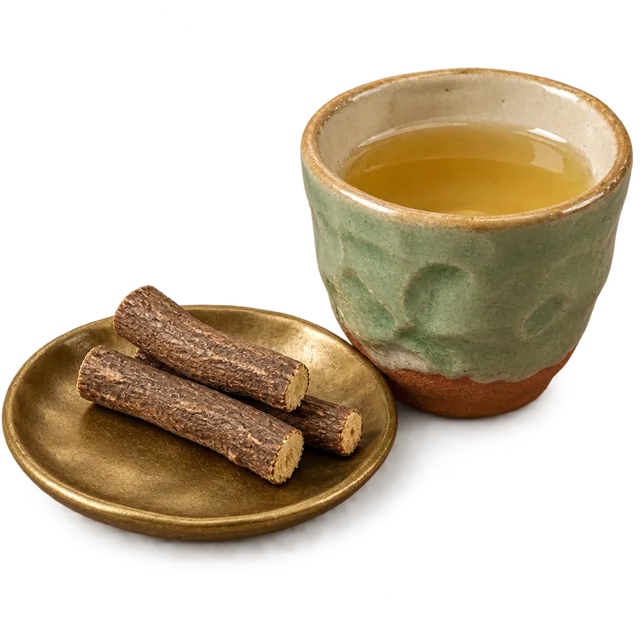
Jeera pani (जीरा पानी)
Cumin water
Cultural practice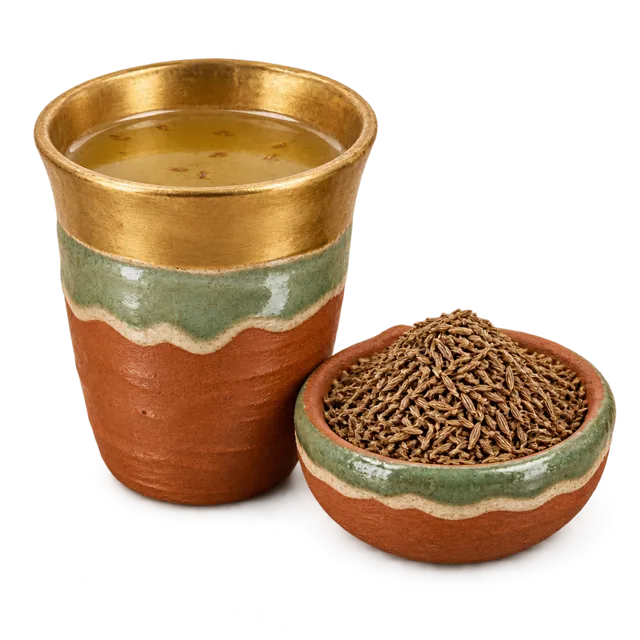
Padabhyanga (पादाभ्यंग) / talvon ki malish
Bedtime foot-oil massage
Cultural practice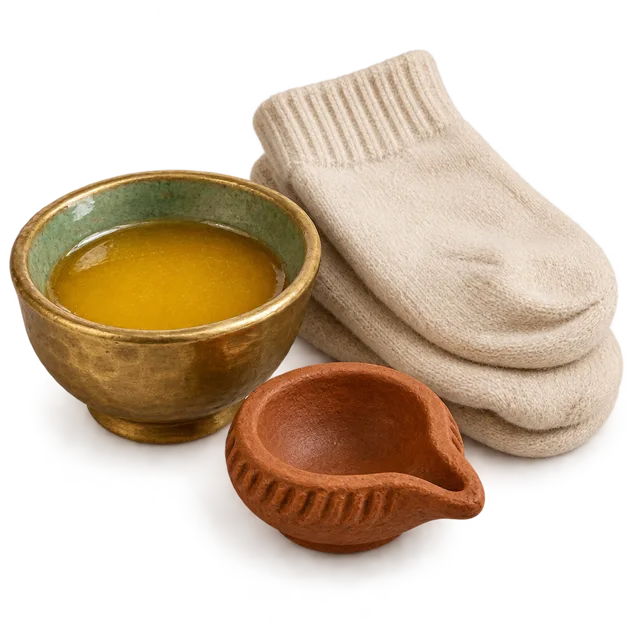
Imli se pital ki safai (इमली से पीतल की सफ़ाई)
Tamarind (or lemon and salt) polish for brass and copper
Cultural practice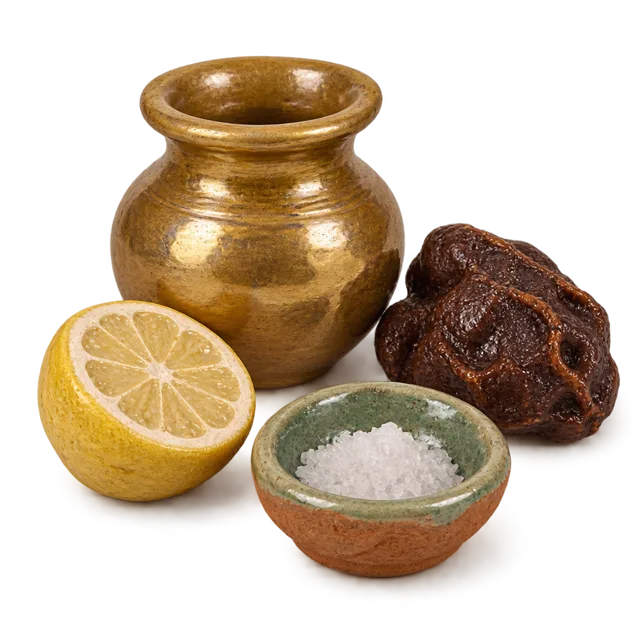
Ingredients in Indian kitchens
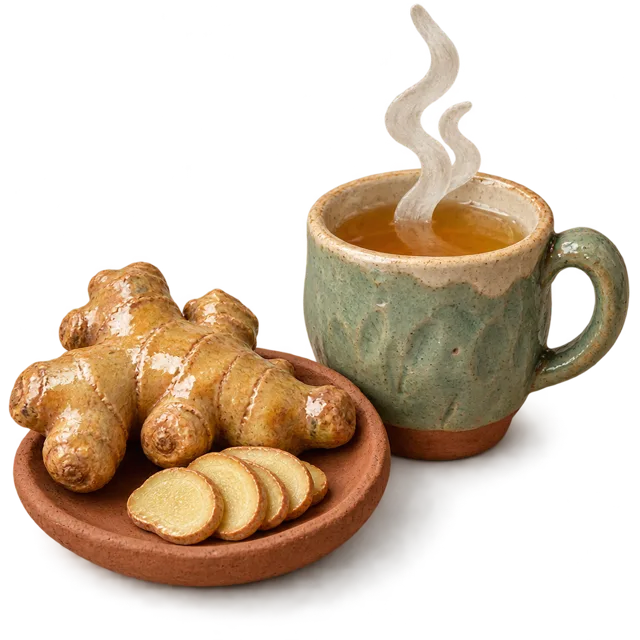 Ginger
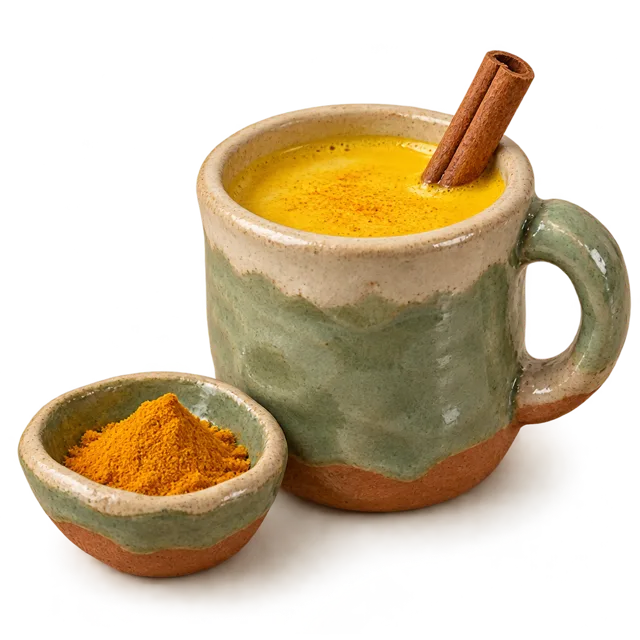 Golden milk
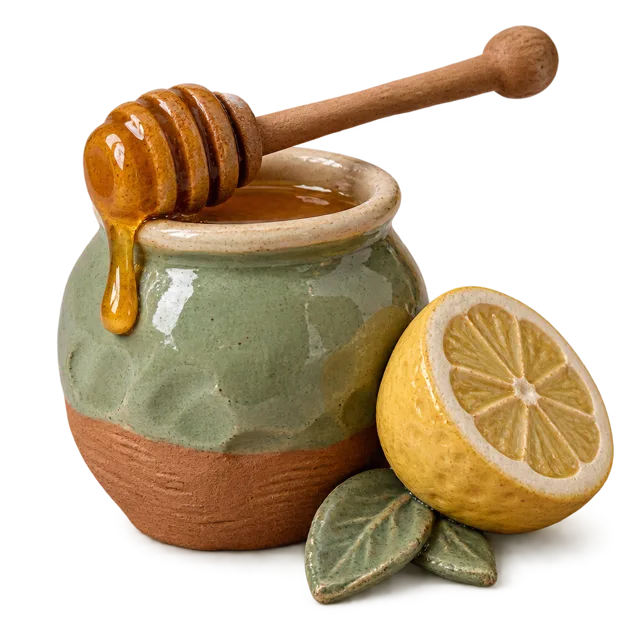 Honey
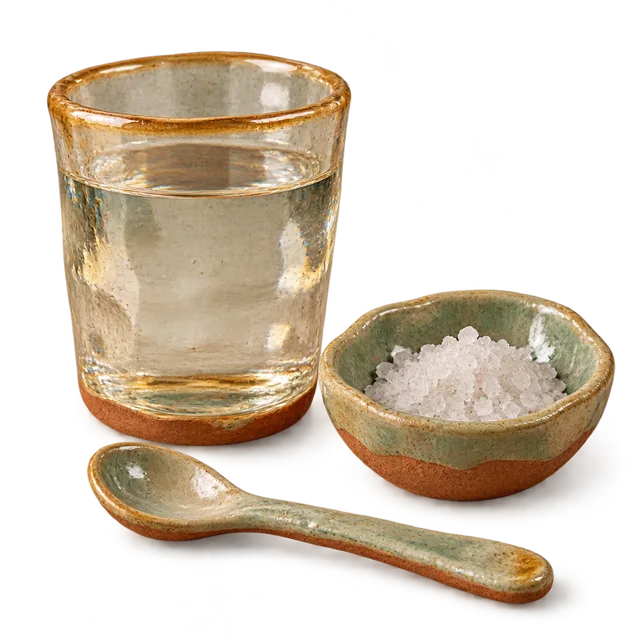 Salt-water gargle
Questions people ask
What is traditional Indian medicine?
It usually refers to Ayurveda, along with Siddha, Unani and other systems recognised in India. The WHO's Global Centre for Traditional Medicine is based in Jamnagar, India. Our pages cover only the home kitchen habits these systems have influenced, not clinical care.
What are the most common Indian home remedies?
Haldi doodh for colds, ginger and tulsi kadha for sore throats, saunf after meals and champi for hair are among the best known. Most are cultural practice; fennel has a European traditional-use monograph for mild bloating, and ginger some evidence for nausea.
Are Indian remedies like Ayurvedic supplements safe?
Spices in cooking amounts are generally safe. Concentrated Ayurvedic products are different: NCCIH reports some contain lead, mercury or arsenic, and herbal supplements, including turmeric, can interact with medicines. Talk to a doctor or pharmacist before using them.
Does turmeric milk help with a cold?
There is no good evidence that it does. NCCIH says there isn't enough evidence to conclude whether turmeric helps most health conditions. Haldi doodh is a warm, comforting drink, and that is how we rate it.
Sources
- Ayurvedic Medicine: In Depth (NCCIH)
- Turmeric (NCCIH)
- Foeniculi dulcis fructus (sweet fennel fruit) herbal monograph (EMA)
- Mukhwas (Wikipedia)
- WHO Global Centre for Traditional Medicine (World Health Organization)
- How to test skin care products (American Academy of Dermatology)
By the Remedies by Culture editorial team · Last checked 1 October 2026 · Not medical advice, and not medically reviewed. How we work
The Remedy Atlas · digital book
How the world heals, honestly rated
127 remedies from 64 cultures, in one beautiful book. Each has its recipe, an honest evidence rating and clear safety flags.